胡汉交融

Search documents
五代幽燕雄关沉浮
Xin Lang Cai Jing· 2026-02-12 09:13
Core Viewpoint - The historical evolution of Youzhou City (now Beijing's southwest) reflects the transition from the Tang Dynasty to the chaotic Five Dynasties period, highlighting the region's strategic importance and the impact of local warlords on its governance and economy [1][2][3][4][5]. Group 1: Historical Context - After the fall of the Tang Dynasty, Youzhou was controlled by the Lulong Jiedushi Liu Ren'gong, who established a semi-independent regime characterized by extravagance and oppressive policies [2]. - Liu Ren'gong's son, Liu Shouguang, declared himself emperor of the short-lived Great Yan, leading to a brutal regime that resulted in widespread suffering and eventual conquest by the Jin Kingdom [2][3]. - The region's instability provided opportunities for the Khitan nomads to strengthen their power, leading to Youzhou's strategic significance in the subsequent power struggles [3]. Group 2: Political Developments - The political landscape shifted when Shi Jingtang, under pressure, pledged allegiance to the Khitan emperor in exchange for military support, leading to the cession of Youzhou and surrounding territories [4]. - Zhao Dejun, the Lulong Jiedushi at the time, attempted to secure Khitan support for his own ambitions but ultimately failed, resulting in his surrender to the Khitan forces [4]. Group 3: Administrative Changes - Following the formal cession of the Yanyun Sixteen Prefectures to the Khitan, Youzhou was elevated to the status of Nanjing Xijunfu, integrating into the Khitan's administrative system and marking a significant shift in governance [5]. - The coexistence of Khitan and Han officials in Youzhou led to a unique cultural and administrative blend, which persisted despite multiple attempts by later Chinese dynasties to reclaim the territory [5].
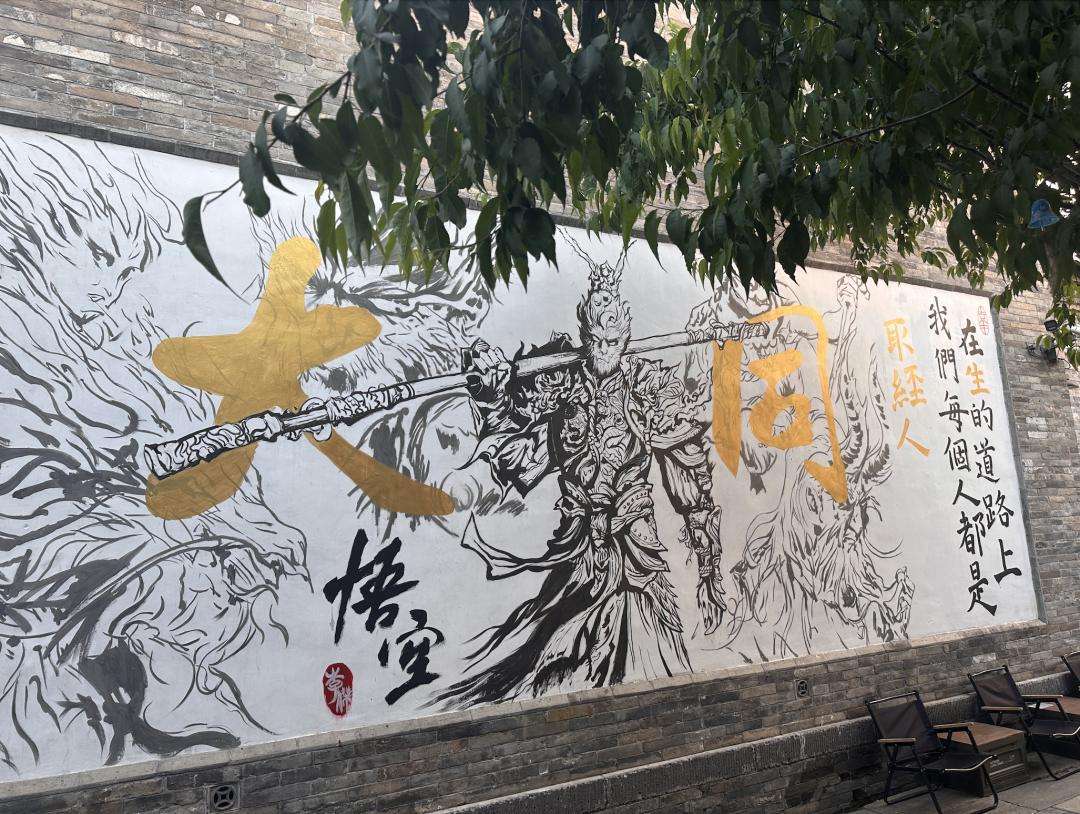
《黑神话》上线一年后,这座山西古都更火了
3 6 Ke· 2025-06-09 11:29
Group 1 - Datong is highlighted as a must-visit city in Shanxi, known for its rich historical architecture and cultural significance, making it a key stop on the famous Lianglin Road [1] - The city features a blend of ancient and modern attractions, allowing visitors to experience a unique "time travel" sensation [3][4] - Datong Museum serves as a comprehensive showcase of the city's history, housing over 170,000 artifacts that span from the Han Dynasty to the Ming and Qing Dynasties [4][5] Group 2 - The museum's architecture is distinctive, designed in a spiral shape that symbolizes cultural integration, and it features notable artifacts like the "Northern Wei Blue" glassware [5][6] - The city has a rich history dating back 2,300 years, with significant developments during the Northern Wei period when it became a political and cultural center [4][6] - Datong's historical significance is further emphasized by its role as a major coal mining city post-establishment of the People's Republic of China, shaping its urban landscape [8] Group 3 - The Southeast Yi cultural district represents a modern artistic transformation of traditional residential areas, featuring live music venues, art exhibition spaces, and various shops [14][16] - The district retains the historical "grid" layout from the Northern Wei period, creating a unique blend of ancient and contemporary experiences [16] - Local culinary offerings, such as the famous "Shunyi Liangfen," highlight the city's cultural heritage and provide a taste of local flavors [18][20]