
胰淀素药物

Search documents
全球制药业洞察 | 减肥药赛道白热化,辉瑞加速追赶诺和诺德、礼来
彭博Bloomberg· 2026-03-04 06:05
Core Viewpoint - The article discusses the competitive landscape of obesity drug development, highlighting that over 190 clinical projects are currently underway, with major contributions from companies like Pfizer, Eli Lilly, and Novo Nordisk, and emphasizes the need for new mechanisms to address the limitations of existing GLP-1 therapies [3][4]. Group 1: Current Landscape of Obesity Drug Development - More than 120 companies are engaged in obesity drug research, with at least 190 drugs in clinical development, primarily targeting GLP-1 [4][6]. - Approximately 40% of these projects are in or about to enter Phase II clinical trials, with at least 36 projects in late-stage development or submitted for market approval [4]. - Injectable drugs dominate the research pipeline, while oral medications account for one-third of the pipeline, with two-thirds being small molecules, which are easier to produce and have lower patient burden [4][6]. Group 2: Role of China in Drug Development - China contributes significantly to the global obesity drug pipeline, with just over one-third of projects being developed or co-developed by Chinese companies, and 25% in Phase III testing or submitted for approval [6]. - Key drugs from Chinese companies include Hengrui Medicine's HRS-9531 (GLP-1/GIP dual receptor agonist) and Innovent Biologics' Enogratide (GLP-1 agonist), which are expected to enter the market soon [6]. Group 3: Mechanisms and Efficacy of GLP-1 Drugs - Over 50% of the drugs in development target GLP-1, either as monotherapy or in combination with GIP, glucagon, and amylin [8][10]. - There is a need to explore new mechanisms due to the gastrointestinal side effects of GLP-1 drugs, which may not be suitable for all patients [8]. - Current GLP-1 drugs can lead to weight loss, but up to 40% of this weight loss may come from lean body mass loss, indicating a need for improved efficacy and differentiation in a competitive market [10]. Group 4: Emerging Therapies and Combination Approaches - Amylin, produced in pancreatic beta cells, may offer benefits similar to GLP-1 drugs while potentially improving tolerability [11][12]. - Dual-action drugs targeting both amylin and calcitonin receptors may provide enhanced weight loss effects and better patient tolerance [11][12]. - The combination of amylin with GLP-1 drugs may yield additive effects, enhancing overall treatment efficacy [12].

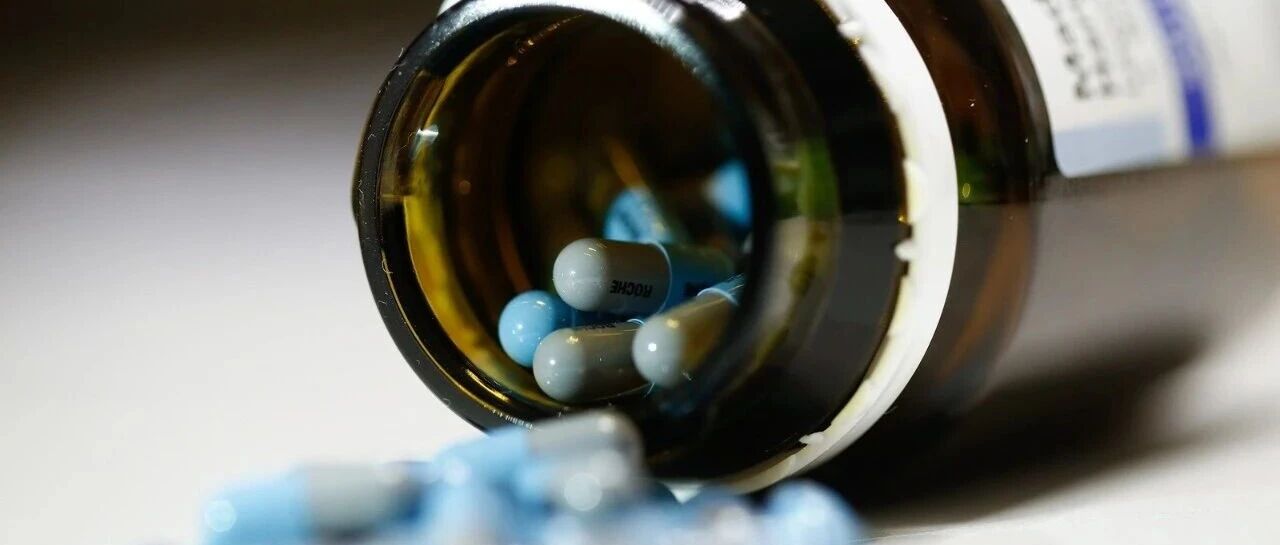
GLP-1之后,巨头卷向下一代减重药
Di Yi Cai Jing· 2025-11-10 12:46
Core Insights - Pfizer has acquired Metsera for $10 billion, which includes a competitive amylin drug pipeline, highlighting the intense competition in the weight loss drug market [1] - Amylin drugs mimic the action of the pancreatic hormone amylin, differing from GLP-1 drugs, but both aim to suppress appetite and reduce food intake [1] - Amylin receptor has been confirmed as an effective drug target, with amylin mimetics emerging as new therapies for obesity and diabetes [1] Group 1 - Major pharmaceutical companies, including Novo Nordisk, Eli Lilly, AbbVie, and Roche, are developing amylin-targeting weight loss drugs [2] - Eli Lilly's amylin therapy, eloralintide, showed positive results in a mid-stage study, helping obese or overweight patients lose over 20% of their weight in 48 weeks [2] - Novo Nordisk presented data on cagrilintide, showing an average weight loss of approximately 12.5 kg in a phase III trial for non-diabetic obese patients [2] Group 2 - Roche has partnered with Zealand Pharma to develop long-acting amylin drugs [3] - Experts suggest that while direct comparisons between GLP-1 and amylin therapies are not yet possible, they may offer different benefits for various patient populations [3] - Several domestic biopharmaceutical companies are also developing next-generation amylin-targeting weight loss therapies, with Gilead Sciences selecting ASC36 as a clinical candidate [3]

