脑卒中救治

Search documents
德州市第二人民医院跑赢“大脑危机”
Xin Lang Cai Jing· 2026-02-12 16:30
Core Insights - The article highlights the importance of timely medical intervention in cases of acute stroke, emphasizing that "time is life" in emergency situations [1][3] Group 1: Medical Intervention - A 70-year-old patient experienced acute stroke symptoms, including numbness and weakness in the left side of his body, and was quickly diagnosed and treated at Dezhou Second People's Hospital [1] - The medical team initiated a rapid response protocol, performing intravenous thrombolysis within the critical time frame, resulting in a significant improvement in the patient's NIHSS score from 6 to 2 [1] - Follow-up imaging revealed acute infarction and significant vascular issues, including 60% stenosis in the left vertebral artery and 80% stenosis in the right middle cerebral artery, necessitating further intervention [2] Group 2: Treatment and Recovery - The medical team decided to perform a stent placement procedure to alleviate the narrowed blood vessels, which was successfully completed, restoring blood flow and reducing the risk of future strokes [2] - Post-operative care included close monitoring and rehabilitation training, leading to the patient's successful recovery and return to normal life [2] Group 3: Preventive Measures - The article stresses the increased risk of stroke during winter due to cold temperatures affecting blood vessels and blood pressure [3] - Individuals with risk factors such as hypertension, diabetes, and previous strokes should seek immediate medical attention if they experience symptoms like headache, dizziness, or weakness [3] - The hospital aims to enhance its emergency response capabilities and treatment protocols to provide high-quality care for stroke patients in the future [3]
生命救援 跨市转诊 手术取栓突破“时间窗”
Xin Lang Cai Jing· 2026-01-31 21:33
Group 1 - The article highlights the critical nature of timely intervention in cases of stroke caused by atrial fibrillation, emphasizing that delays can lead to severe consequences such as lifelong disability [1][2] - A 71-year-old patient experienced a stroke due to atrial fibrillation and was initially unable to undergo thrombectomy at a local hospital, prompting a cross-city transfer to a specialized facility for further treatment [1] - The medical team at Shenyang Chest Hospital acted swiftly, initiating a green channel for emergency treatment despite the patient being beyond the standard thrombectomy time window by 10 hours, which increased the complexity and risk of the procedure [1] Group 2 - A multidisciplinary team conducted thorough preoperative discussions and executed the thrombectomy with precision, successfully restoring blood flow and preserving the patient's neurological function [2] - Post-surgery, the patient's recovery exceeded expectations, with no abnormalities in motor or speech functions, and a positive mental state [2] - The hospital's ability to manage complex cases beyond typical time constraints reflects its commitment to optimizing treatment processes and ensuring patient safety and health [2]
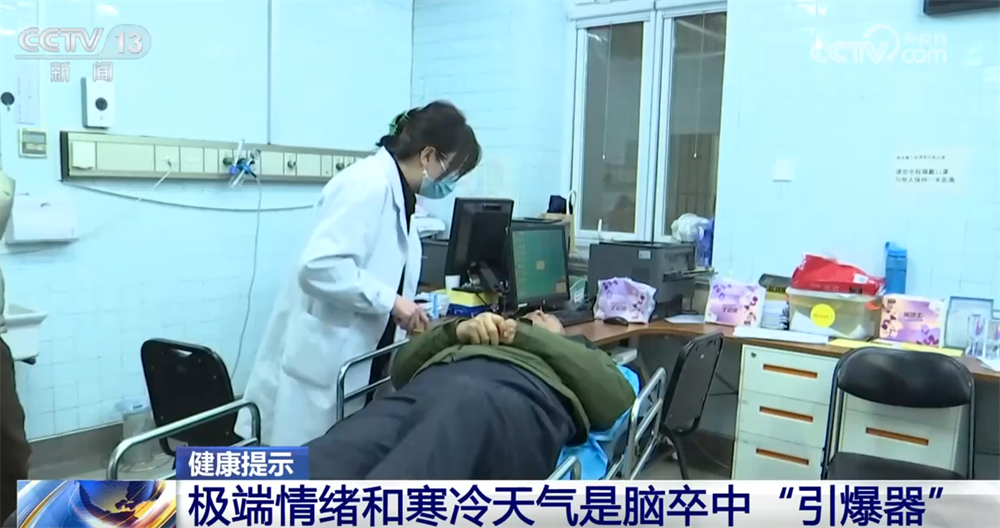
冬季脑卒中高发 有些致病风险你意想不到!这份健康提示请收好
Yang Shi Wang· 2025-11-10 02:42
Core Insights - Winter is a high-risk season for strokes, with nearly 40% of adults in China at risk of stroke [1][3] - Extreme emotions and cold weather are significant triggers for stroke incidents [1] - Snoring, particularly with breathing pauses, is identified as a risk factor for stroke [4] - Periodontal disease can lead to systemic inflammation, increasing the risk of stroke [6][7] - Improper neck massage or sudden neck movements can cause arterial damage, leading to stroke [9] - Awareness of transient ischemic attacks (TIAs) is crucial, as they can precede severe strokes [11] Group 1: Risk Factors - Extreme emotions and cold weather can cause blood pressure spikes, leading to stroke [1] - Snoring with apnea can cause repeated oxygen deprivation and increase blood viscosity, raising stroke risk [4] - Periodontal bacteria can enter the bloodstream, promoting chronic inflammation and atherosclerosis [7] Group 2: Symptoms and Treatment - TIAs present as temporary symptoms like limb weakness or blurred vision, serving as a warning for potential severe strokes [11] - Immediate medical attention is critical for TIAs, with thrombolysis ideally performed within 4.5 hours of onset [11] - Early rehabilitation is essential for stroke patients, ideally within three months of the event [11]