脑卒中康复治疗

Search documents
成年人患病风险近40% 一个口诀教你快速识别脑卒中
Xin Lang Cai Jing· 2026-01-19 20:12
Core Viewpoint - Stroke, commonly known as "cerebral infarction," is a leading cause of death and disability among adults in China, with approximately 3.3 million new cases each year and a nearly 40% risk of stroke for adults [1] Group 1: Stroke Recognition and Emergency Response - Recognizing stroke symptoms early is crucial, and individuals should call emergency services (120) immediately if symptoms appear [2] - Treatment methods include intravenous thrombolysis and arterial thrombectomy, with intravenous thrombolysis being most effective within 4.5 hours of onset [2] - Early treatment reduces brain damage and increases recovery chances, with optimal rehabilitation occurring within three months post-stroke [2] Group 2: Rising Incidence Among Young Adults - The incidence of stroke among young adults (ages 18-45) has significantly increased, with a 40% rise in global ischemic stroke cases over the past decade [3] - In China, there are currently 12.42 million stroke patients aged 40 and above [3] - Poor lifestyle habits such as prolonged sitting, obesity, high stress, late nights, and smoking are contributing factors to the rising incidence among younger populations [3] Group 3: Prevention and Lifestyle Recommendations - Common misconceptions about stroke emergency response include ignoring mild symptoms and delaying treatment [6] - Young adults are advised to avoid late nights, prolonged sitting, and high-fat, high-sugar diets, as well as to quit smoking and limit alcohol consumption to prevent vascular aging [6] - Regular physical activity (150 minutes of moderate or 75 minutes of high-intensity aerobic exercise weekly) and maintaining a regular sleep schedule (7-9 hours per night) are recommended to promote cardiovascular health [7]
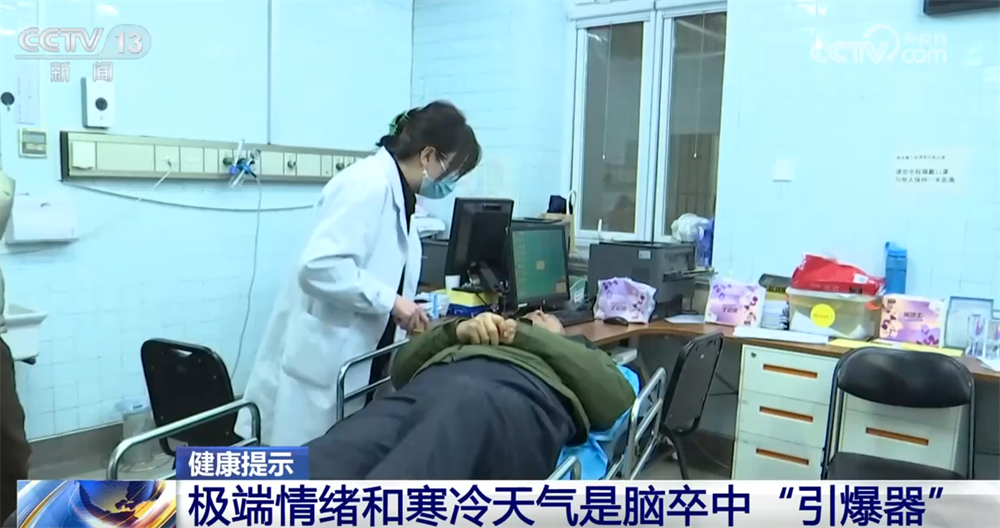
冬季脑卒中高发 有些致病风险你意想不到!这份健康提示请收好
Yang Shi Wang· 2025-11-10 02:42
Core Insights - Winter is a high-risk season for strokes, with nearly 40% of adults in China at risk of stroke [1][3] - Extreme emotions and cold weather are significant triggers for stroke incidents [1] - Snoring, particularly with breathing pauses, is identified as a risk factor for stroke [4] - Periodontal disease can lead to systemic inflammation, increasing the risk of stroke [6][7] - Improper neck massage or sudden neck movements can cause arterial damage, leading to stroke [9] - Awareness of transient ischemic attacks (TIAs) is crucial, as they can precede severe strokes [11] Group 1: Risk Factors - Extreme emotions and cold weather can cause blood pressure spikes, leading to stroke [1] - Snoring with apnea can cause repeated oxygen deprivation and increase blood viscosity, raising stroke risk [4] - Periodontal bacteria can enter the bloodstream, promoting chronic inflammation and atherosclerosis [7] Group 2: Symptoms and Treatment - TIAs present as temporary symptoms like limb weakness or blurred vision, serving as a warning for potential severe strokes [11] - Immediate medical attention is critical for TIAs, with thrombolysis ideally performed within 4.5 hours of onset [11] - Early rehabilitation is essential for stroke patients, ideally within three months of the event [11]