脑机接口量产

Search documents
脑机接口量产信号:马斯克820万美元扩建Neuralink,2026或成“造脑”元年
机器人大讲堂· 2026-03-03 13:08
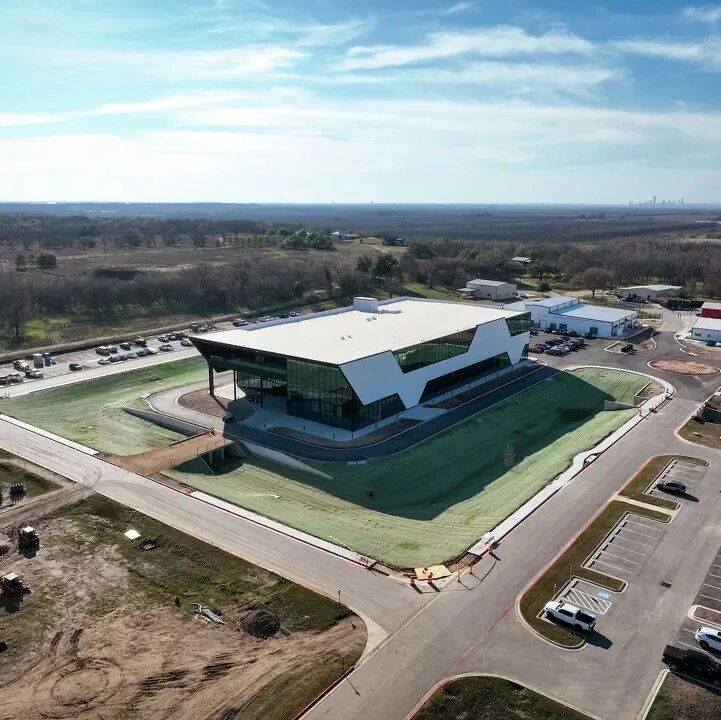
Core Viewpoint - Neuralink is accelerating its overall strategy with a new $8.2 million expansion project in Texas, signaling a shift from "custom lab" to "standardized mass production" of brain-machine interfaces (BMIs) [3][4]. Group 1: Expansion and Investment - The expansion project, codenamed "ATX1," will upgrade approximately 37,607 square feet for manufacturing and office use [1]. - Neuralink has raised over $1.3 billion in total funding, with a current valuation exceeding $9 billion [3]. Group 2: Vertical Integration and Cost Reduction - The expansion site is strategically located near Tesla's Gigafactory, allowing for industrial synergies and shared supply chains [4]. - Neuralink is adopting a vertical integration approach, having developed proprietary manufacturing processes that have reduced the cost of core components by 95% [5]. Group 3: Talent Acquisition - The company is actively hiring for various positions, focusing on mechanical engineering, software engineering, and design control, to prepare for high-volume production [6]. Group 4: Technological Advancements - The new R1 surgical robot has significantly reduced the time required to implant a single flexible electrode from 17 seconds to just 1.5 seconds, with the potential to shorten the total surgery time for a 128-electrode implant to under 20 minutes [9]. - This reduction in surgery time is expected to decrease the probability of complications from craniotomy by 60% [9]. Group 5: Competitive Landscape - The BCI industry is witnessing a multi-path competition, with other companies like Science Corp making significant advancements in non-invasive solutions [13]. - Chinese companies are also rapidly developing in the invasive BCI sector, with BrainCo completing over 50 human implants and aiming for mass production [14][15]. Group 6: Future Outlook - The expansion is expected to increase the number of Neuralink's trial participants from 21 to hundreds by the end of the year, transforming BMIs from specialized medical devices to general infrastructure [18].