自身免疫反应

Search documents
Cell重磅:华人学者证实,压力不仅让你掉头发,还会引发自身免疫,埋下长期脱发隐患
生物世界· 2025-11-27 04:11
Core Viewpoint - The article discusses the relationship between stress and hair loss, highlighting recent research that reveals the mechanisms by which acute stress can lead to hair follicle damage and subsequent autoimmune responses [3][18]. Group 1: Mechanisms of Stress-Induced Hair Loss - Chronic stress leads to the suppression of hair follicle stem cell activation, resulting in hair loss due to prolonged resting phases of hair follicles [2]. - Acute stress causes immediate hair loss by activating the sympathetic nervous system, which leads to necrosis of rapidly dividing hair follicle transit-amplifying cells (HF-TAC) [3][19]. - The necrosis of HF-TAC releases cellular debris that triggers macrophage-mediated clearance and activates dendritic cells, which can lead to the activation of autoreactive T cells that attack hair follicles in the future [3][15]. Group 2: Observations from Research - The research utilized mouse models to study the effects of acute stress on hair follicles, revealing that stress significantly impacts HF-TAC while sparing hair follicle stem cells (HFSC) [7][9]. - The study found that stress-induced hair loss is closely linked to the sympathetic nervous system rather than solely relying on stress hormones like adrenaline [10][19]. - The inflammatory response following necrosis differs from normal hair follicle regression, as it involves necrosis rather than apoptosis, leading to a more pronounced inflammatory reaction [12][13]. Group 3: Long-Term Implications of Stress - The findings suggest that stress not only causes immediate hair loss but may also initiate autoimmune processes, with necrotic hair follicle cells releasing self-antigens that activate autoreactive CD8+ T cells [15][18]. - Even after hair follicles recover from initial stress, these activated T cells can persist and attack hair follicles upon subsequent inflammatory stimuli, explaining the sensitivity to future hair loss [15][20]. - The research emphasizes the importance of managing stress levels for individuals with alopecia or a family history of autoimmune diseases, as it may help prevent disease recurrence [20][21].


离诺贝尔奖最近的华人科学家——陈志坚,来自福建农村,已包揽各大“诺奖风向标”
生物世界· 2025-09-27 04:04
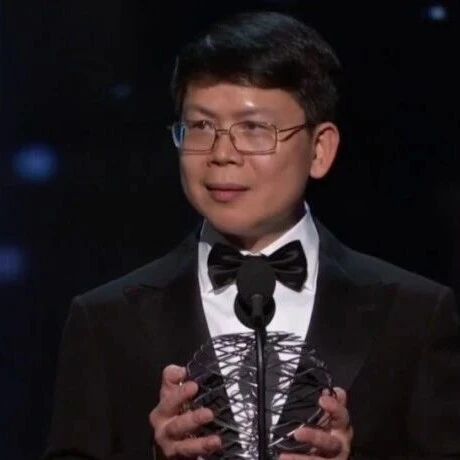
Group 1 - The Nobel Prize announcement dates for 2025 are set for October 6, 7, and 8, covering the Nobel Prizes in Physiology or Medicine, Physics, and Chemistry [2] - Chinese scientist Chen Zhijian has received multiple prestigious awards, including the Citation Laureate Award, and is considered the closest Chinese scientist to winning a Nobel Prize [2] - Chen Zhijian is recognized for his discovery of how nucleic acids trigger innate immune responses and autoimmune reactions within cells [3] Group 2 - Chen Zhijian was born in 1966 in Fujian Province, China, and graduated with a Bachelor's degree in Biology from Fujian Normal University in 1985 [5] - He obtained his Ph.D. in Biochemistry from the State University of New York at Buffalo in 1991, focusing on the ubiquitin pathway [5] - After his postdoctoral research at the Salk Institute, he worked in various biotech companies, contributing to cancer treatment drug development [5][6] Group 3 - In 1996, Chen collaborated with Harvard's Tom Maniatis to discover that kinases must be "activated" by ubiquitin for the NF-κB signaling pathway to function properly [6] - He established his laboratory at the University of Texas Southwestern Medical Center in 1997, focusing on the role of ubiquitin in immune responses [6] - His research led to significant findings regarding the immune response to RNA viruses and the discovery of key proteins involved in innate immunity [6][8] Group 4 - Chen Zhijian has received numerous awards, including the National Academy of Sciences Molecular Biology Award in 2012 and election to the National Academy of Sciences in 2014 [8] - He was awarded the Breakthrough Prize in Life Sciences in 2019 for elucidating the role of the DNA sensor cGAS in immune responses [11] - In 2023, he received the Horwitz Prize for discovering the cGAS-STING pathway, which is considered a leading indicator for future Nobel Prize winners [12] Group 5 - Chen was awarded the Lasker Basic Medical Research Award in 2024 for his work on the cGAS enzyme and its role in immune and inflammatory responses [15] - The Citation Laureate Award was given to him in 2025 for clarifying the fundamental mechanisms of the cGAS-STING pathway in innate immunity [19] - The awards he has received are indicative of a strong likelihood of future recognition with a Nobel Prize, as many past recipients of these awards have gone on to win the Nobel Prize [12][19]