船籍港政策

Search documents
印尼货轮弃马六甲直奔中国,新加坡的“过路费”收不动了?
首席商业评论· 2025-12-16 04:17
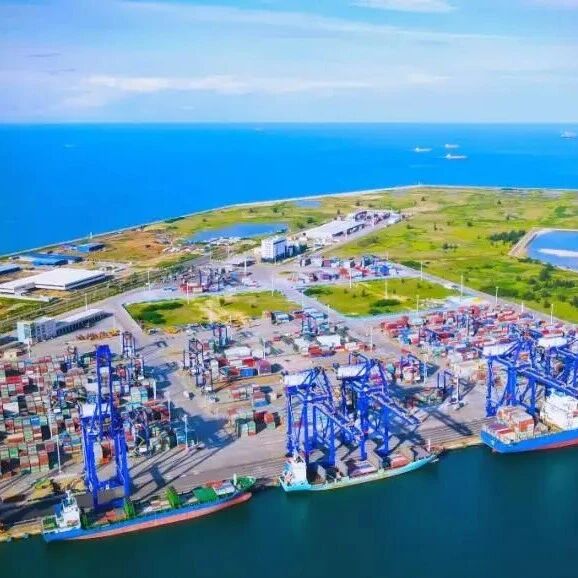
Core Viewpoint - The article discusses the significant shift in Southeast Asian shipping patterns, particularly the emergence of Yangpu Port in Hainan, China, as a direct shipping route from Indonesia, challenging the traditional dominance of Singapore as a shipping hub [4][5]. Group 1: Economic Benefits of Direct Shipping - The decision to bypass the traditional route through the Strait of Malacca is driven by cost efficiency, allowing Indonesian goods to be shipped directly to Yangpu Port, thus reducing logistics costs and transit times [6]. - The direct shipping route has cut the transportation time for coconuts from Indonesia to Hainan from 20 days to just 6 days, significantly lowering spoilage rates and enhancing profit margins for businesses [6]. - For Indonesian exporters, direct shipping saves approximately $280 per ton for palm oil, along with a reduction in port fees and transit times [6]. Group 2: Yangpu Port's Competitive Advantages - Yangpu Port has seen a dramatic increase in shipping capacity, with total registered shipping capacity reaching 6.6939 million tons and a total tonnage of 3.8118 million tons, leading the domestic free trade zone rankings [7]. - The port employs advanced technologies, including semi-automated operations and rapid customs clearance processes, which have drastically improved operational efficiency [7][8]. - The implementation of policies such as zero tariffs on imported vessels and tax rebates for international shipping has further enhanced Yangpu Port's competitiveness, resulting in a 30.31% year-on-year increase in cargo throughput [8]. Group 3: Challenges Against Singapore Port - Despite Yangpu Port's growth, it still lags significantly behind Singapore Port in terms of shipping volume and infrastructure, with Singapore handling 41.12 million TEUs compared to Yangpu's 2 million TEUs [10]. - Singapore's strategic location at the Strait of Malacca provides it with a natural advantage, controlling a major global shipping route that is essential for international trade [10][11]. - Singapore is also investing heavily in expanding its port facilities, with the new Tuas Port expected to double its capacity to 65 million TEUs by 2040, further solidifying its position as a global shipping hub [11]. Group 4: Future Collaboration - The article highlights a partnership between Singapore Port Authority and Hainan Port and Shipping Holding Co., aiming to enhance direct shipping routes between Yangpu and Singapore, thereby increasing resilience in regional supply chains [12].