
节气养生

Search documents
杭州期货人的“茶养”修行
Bao Cheng Qi Huo· 2026-01-30 02:08
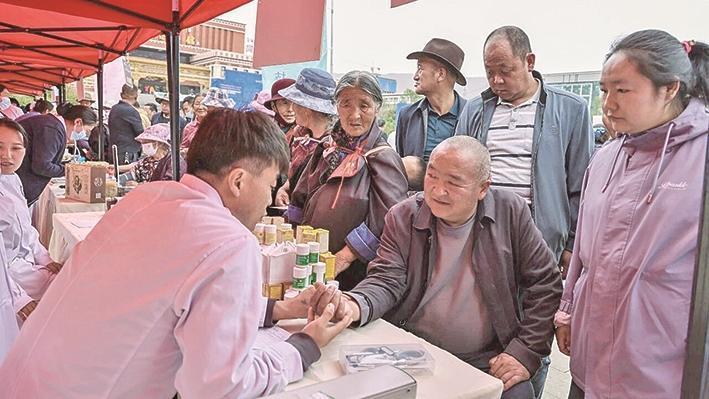
Core View - The report describes the "tea cultivation" practice of Hangzhou futures traders during the Beginning of Spring, emphasizing that they balance the market's noise and the tranquility of life through tea - related rituals and traditional Chinese health - preserving methods, and gain inspiration from nature and traditional wisdom to face market fluctuations calmly [2][4] Summary by Related Aspects Morning Routine - Old futures trader Li prepares "Beginning of Spring Liver - soothing Tea" with roses, wolfberries, chrysanthemums, and tangerine peels every morning during the Beginning of Spring, believing it can relieve anxiety caused by watching market trends [2] - Li reduces coffee intake and has yam and poria cocos porridge with osmanthus cakes for breakfast, and sometimes buys spring bamboo shoot and fresh meat buns [3] Mid - day Activity - During the lunch break, Li and his friends take a walk by the canal, relax their nerves in nature, and regard it as a "yang - nourishing" activity [3] Evening and Night - In the evening, Li sits quietly at his desk, lights sandalwood, listens to the guqin music "Flowing Water", and reads "Suwen" to relieve fatigue [3] - At night, Li sips warm tea, reflecting on the day's market fluctuations, and realizes that both health - preserving and trading require conforming to the timing of nature [4]
节气养生正当时
Xin Lang Cai Jing· 2026-01-19 18:12
Core Viewpoint - The "Hundred Cities and Thousand Counties" Traditional Chinese Medicine (TCM) Cultural Benefit Activity aims to promote TCM culture and services to grassroots communities, enhancing public health and cultural awareness in Qinghai Province [4][7]. Group 1: Event Overview - The event is organized by the National Administration of Traditional Chinese Medicine from April to October 2025, focusing on delivering quality TCM resources to the public [4]. - Various activities such as free medical consultations, technical experiences, and herbal cuisine demonstrations are conducted to integrate traditional and modern health wisdom [4]. Group 2: Participation and Impact - In Hai Dong City, 82 medical staff provided services to 1,337 people through three offline consultations, addressing health needs in the community [4]. - The event in Hai Xi City featured a unique "TCM Cultural Night Market," allowing citizens to consult with doctors and experience TCM culture in a poetic atmosphere [5]. - In Hai Bei Prefecture, 40 medical personnel conducted seven themed activities, serving 3,042 people and distributing 2,065 boxes of herbal medicine [5]. Group 3: Cultural Integration - Activities in various counties, such as the one in Nangqian County, included drug identification and health exercises, showcasing the unique charm of Tibetan medicine [6]. - The integration of TCM culture with local festivals, such as the Dragon Boat Festival, attracted 600 participants, enhancing cultural appreciation and health awareness [6][7]. - The ongoing activities have significantly improved the public's sense of health and cultural identity, contributing to the "Healthy Qinghai" initiative [7].

年轻人养生以食为补古法健身对抗久坐肥胖
Bei Jing Qing Nian Bao· 2025-06-11 08:18
Core Insights - The trend of health consciousness among the younger generation is rising, with a focus on dietary supplements and traditional health practices, reflecting a shift towards a more holistic approach to wellness [1][2][3] Group 1: Health Awareness and Demand - The health literacy index in China increased from 11.58% in 2016 to 29.70% in 2023, indicating a significant improvement in residents' understanding of health knowledge and practices [2] - There is a growing demand for diverse health practices, extending beyond physical health to include psychological well-being and internal bodily functions [2][3] - Social media engagement around health topics has surged, with interactions expected to surpass mere information consumption by 2025 [2] Group 2: Dietary Trends - Young people are increasingly adopting the principle of "food as nourishment," with a particular emphasis on traditional soup-making practices throughout the seasons [3][4] - The popularity of bagged herbal teas has risen, catering to the fast-paced lifestyle of the younger demographic, with specific blends targeting various health needs [4] - The trend of "light health" is emerging, where convenient snacks and easy-to-prepare health foods are favored for their portability and ease of use [4] Group 3: Health Tools and Technology - Young individuals are integrating smart health tools into their living spaces, enhancing their quality of life and aligning with natural rhythms [5] - The rise of glass health pots reflects a demand for high-quality health products that combine functionality with user experience [6] Group 4: Fitness and Exercise - The younger generation is blending traditional exercise methods with modern, fragmented workout routines that fit into their busy schedules [7][8] - There is a notable shift towards "light exercise," such as meditation and breathing techniques, which can be performed in short intervals throughout the day [8] Group 5: New Health Philosophies - Different segments of the younger population are adopting various health philosophies, such as "instant adjustment" and "scientific health management," focusing on integrating health practices into daily routines [9][10] - The "family responsibility" approach emphasizes collaborative health management within households, balancing traditional practices with modern technological solutions [10]