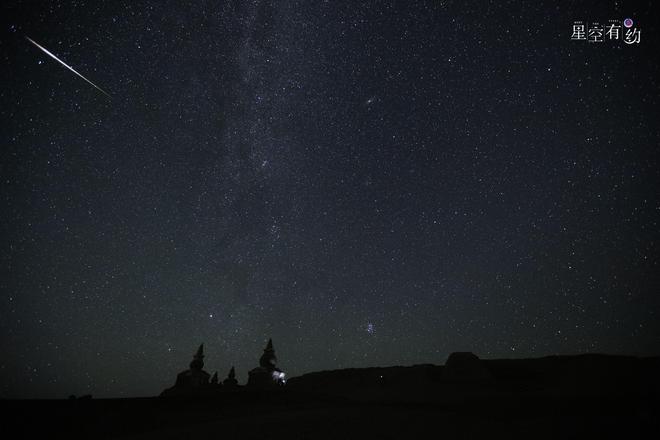
英仙座流星雨

Search documents
双子座流星雨
Xin Lang Cai Jing· 2026-01-05 20:49
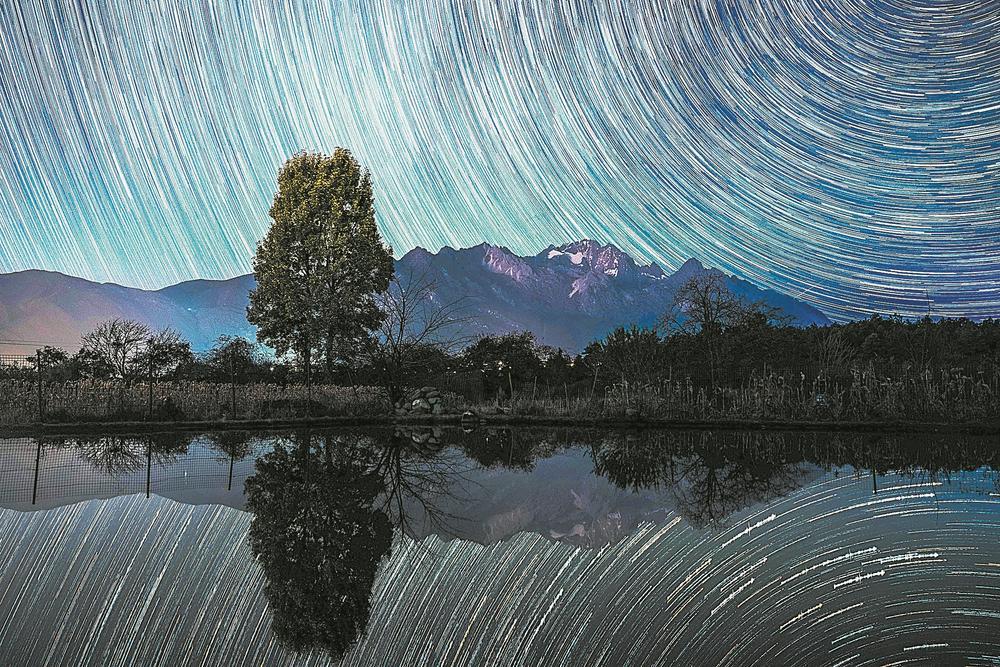
Group 1 - The Geminid meteor shower is one of the three major meteor showers in the Northern Hemisphere, alongside the Quadrantids and the Perseids [3] - The image captured in Lijiang, Yunnan Province, showcases the Geminid meteor shower using a stacking technique [3] - The Geminid meteor shower is known for its bright and colorful meteors, making it a popular event for skywatchers [3]

星空有约|时值“二九”,有一份抄手观天的浪漫
Xin Hua She· 2026-01-02 02:51
Core Viewpoint - The Quadrantids meteor shower will reach its peak on January 4, 2026, providing an opportunity for enthusiasts to observe this celestial event from the night of January 3 to the early morning of January 4 [1][2]. Group 1: Meteor Shower Characteristics - The Quadrantids meteor shower is one of the three major meteor showers in the Northern Hemisphere, alongside the Perseids in August and the Geminids in December [1]. - The active period of the Quadrantids is from December 28 to January 12, with the peak occurring around January 4, coinciding with the coldest part of winter [1]. - The Zenithal Hourly Rate (ZHR) of the Quadrantids is stable at around 100, with potential peaks reaching 200 or higher [1]. Group 2: Observational Challenges - The full moon during the peak of the Quadrantids will create significant light pollution, making it difficult to observe fainter meteors [2]. - Observers are advised to find locations with minimal light pollution and unobstructed views of the sky to enhance their chances of seeing the meteors [2]. Group 3: Viewing Recommendations - It is recommended to dress warmly due to the cold weather during the observation period [2]. - Observers may also witness the first full moon of 2026, which will be visible on the night of January 3 and remain full on the morning of January 4 [2].
别错过!一年一度的英仙座流星雨要来了
Yang Shi Xin Wen· 2025-08-11 05:51
Group 1 - The annual Perseid meteor shower is expected to reach its peak on the night of August 12 to the morning of August 13, with the evening of August 13 also being a good time for observation [1] - The Perseid meteor shower is best observed from the Northern Hemisphere, characterized by fast-moving meteors, high brightness, and distinct trails [3] - The optimal way to observe the Perseid meteor shower is to choose areas with wide views and minimal light pollution [5] Group 2 - Observers are advised not to focus solely on the radiant point of the meteor shower [6]
星空有约|全年最适宜观测的流星雨来了
Xin Hua She· 2025-08-11 02:46
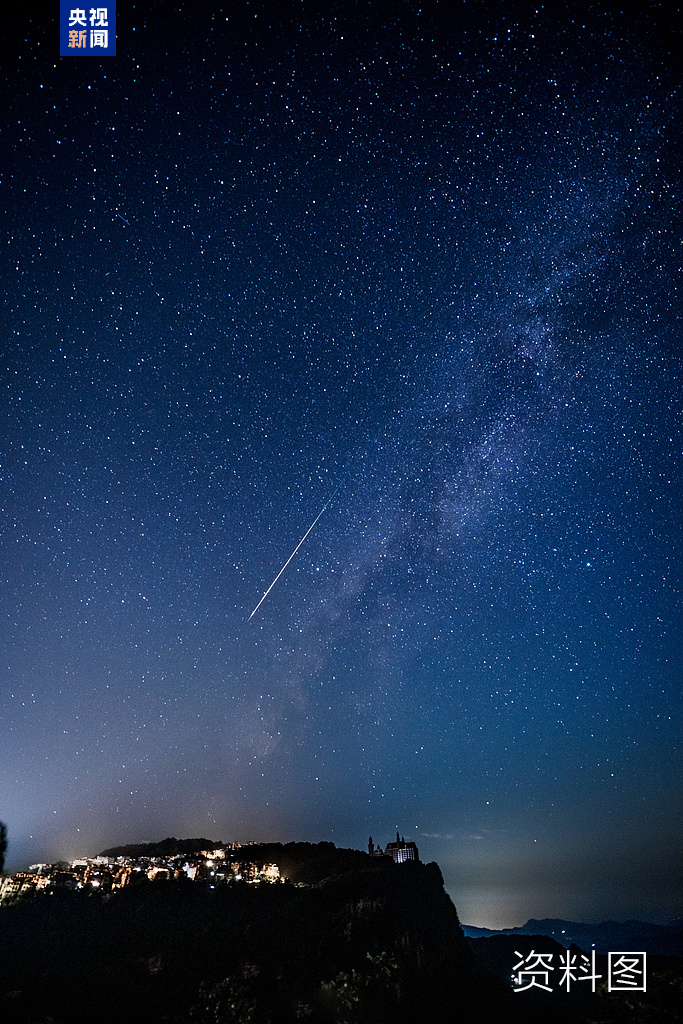
Group 1 - The Perseid meteor shower is set to peak on the morning of August 13, providing an excellent opportunity for observation on the nights of August 12 and 13 [1][6] - The Perseid meteor shower is one of the three major meteor showers in the Northern Hemisphere, occurring annually in August, alongside the Quadrantids in January and the Geminids in December [2] - The Perseid meteor shower is characterized by a stable flow of meteors, with a zenithal hourly rate (ZHR) of about 100 during its peak, making it ideal for public observation [6] Group 2 - The active period of the Perseid meteor shower lasts from late July to late August, with the peak typically occurring between August 12 and 14 [6] - Observers are advised to choose locations with minimal light pollution and to prepare for varying weather conditions, as factors like moonlight can affect visibility [8][9] - No special equipment is needed for viewing the Perseid meteor shower, and it is recommended to observe in groups for safety and comfort [9]