
象限仪座流星雨

Search documents
双子座流星雨
Xin Lang Cai Jing· 2026-01-05 20:49
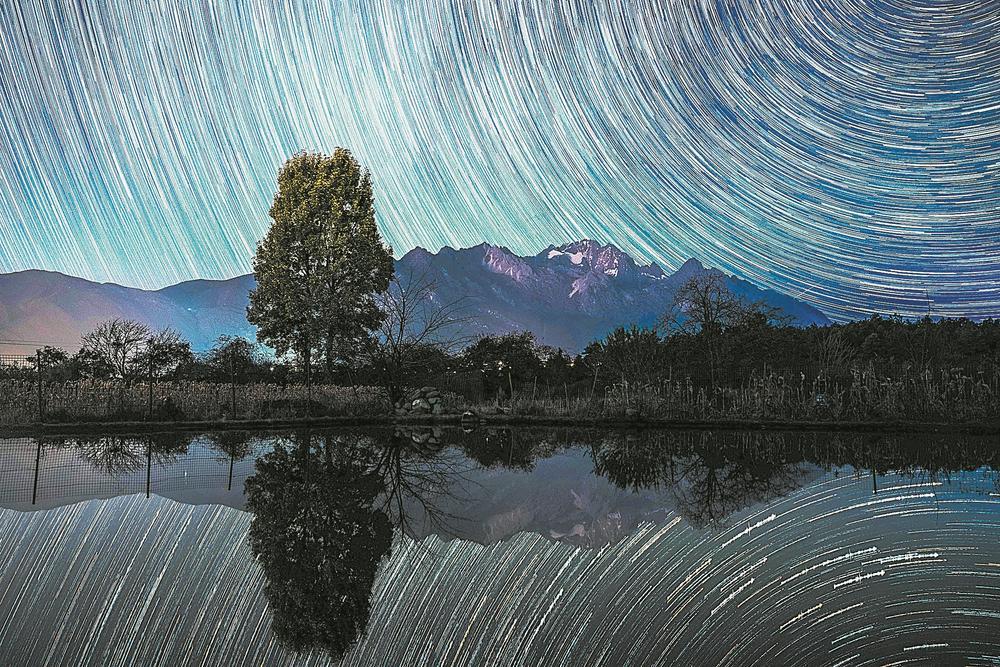
Group 1 - The Geminid meteor shower is one of the three major meteor showers in the Northern Hemisphere, alongside the Quadrantids and the Perseids [3] - The image captured in Lijiang, Yunnan Province, showcases the Geminid meteor shower using a stacking technique [3] - The Geminid meteor shower is known for its bright and colorful meteors, making it a popular event for skywatchers [3]

星空有约|时值“二九”,有一份抄手观天的浪漫
Xin Hua She· 2026-01-02 02:51
Core Viewpoint - The Quadrantids meteor shower will reach its peak on January 4, 2026, providing an opportunity for enthusiasts to observe this celestial event from the night of January 3 to the early morning of January 4 [1][2]. Group 1: Meteor Shower Characteristics - The Quadrantids meteor shower is one of the three major meteor showers in the Northern Hemisphere, alongside the Perseids in August and the Geminids in December [1]. - The active period of the Quadrantids is from December 28 to January 12, with the peak occurring around January 4, coinciding with the coldest part of winter [1]. - The Zenithal Hourly Rate (ZHR) of the Quadrantids is stable at around 100, with potential peaks reaching 200 or higher [1]. Group 2: Observational Challenges - The full moon during the peak of the Quadrantids will create significant light pollution, making it difficult to observe fainter meteors [2]. - Observers are advised to find locations with minimal light pollution and unobstructed views of the sky to enhance their chances of seeing the meteors [2]. Group 3: Viewing Recommendations - It is recommended to dress warmly due to the cold weather during the observation period [2]. - Observers may also witness the first full moon of 2026, which will be visible on the night of January 3 and remain full on the morning of January 4 [2].
星空有约|2026年1月天象看点前瞻:超级月亮现身 木星冲日登场
Xin Hua She· 2025-12-30 07:40
Group 1 - The first astronomical event of 2026 is the "Supermoon" occurring on January 3, where the moon will appear in its most perfect round shape at 18:03 [1] - The Quadrantids meteor shower, one of the three major meteor showers in the Northern Hemisphere, will peak on January 4, characterized by medium-speed meteors and bright fireballs [1] - Observing the meteor shower may be challenging due to the bright moonlight from the full moon occurring simultaneously, making it less favorable for general public viewing [1] Group 2 - A lunar occultation of the star Xuanyuan 14 will take place on the night of January 6 to the early morning of January 7, visible in most northern regions of China [2] - Jupiter will reach opposition on January 10, becoming exceptionally bright at magnitude -2.7, making it easily visible to the naked eye [2] - Following the opposition, Jupiter will be accompanied by a nearly full moon at the end of January, creating a visually stunning "star-moon fairy tale" in the night sky [2]