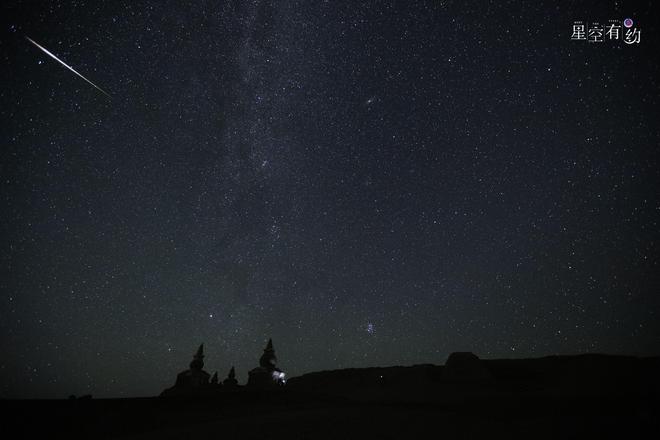
流星雨观测

Search documents
想看流星雨许愿?专业机构有直播
Di Yi Cai Jing· 2025-12-27 04:12
Group 1 - The Shanghai Planetarium has confirmed its celestial live broadcast plan for 2026, which includes the Perseids and Geminids meteor showers, as well as a live broadcast of Jupiter's opposition around January 10 [1][5] - The recent Geminids meteor shower live broadcast on December 13 and 14 attracted significant attention, with over 15 hours of streaming, showcasing the popularity of such events [1][6] - The Shanghai Planetarium prioritizes meteor showers with high visibility and favorable moon phases for live broadcasts, focusing on the Perseids and Geminids in the Northern Hemisphere [3][5] Group 2 - The live broadcast team, led by Wang Xiaofei, chose to stream from Lugu Lake in Yunnan due to its low light pollution and favorable viewing conditions, allowing for better visibility of the meteor shower [3][5] - The live broadcasts engage viewers by explaining the nature of meteor showers, their formation, and the unpredictability of their visibility, enhancing the educational aspect of the experience [3][5] - The Shanghai Planetarium plans to continue its celestial broadcasts, including a total solar eclipse in Spain next year, aiming to provide a variety of astronomical events for public enjoyment [5][6]

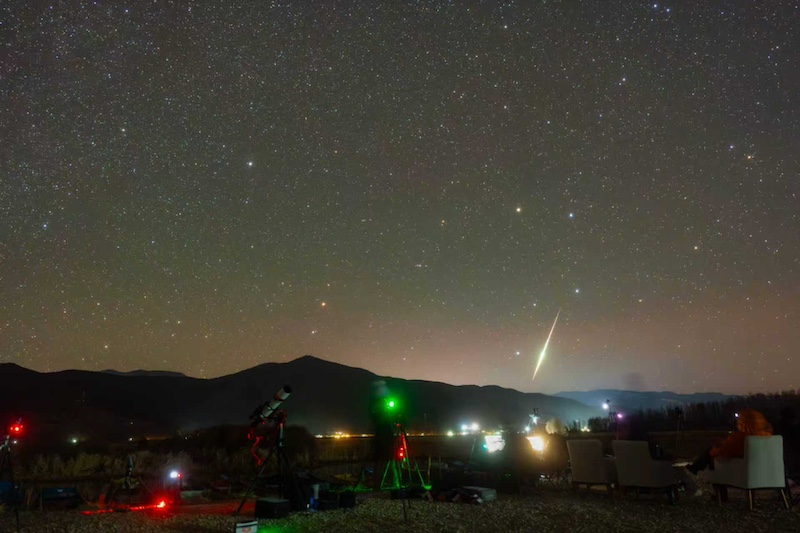
2025年流星雨迎来谢幕演出,小熊座流星雨22日极大
Xin Lang Cai Jing· 2025-12-20 14:58
Core Viewpoint - The 2025 Ursids meteor shower will peak on December 22, with favorable observation conditions for enthusiasts [1][3]. Group 1: Meteor Shower Characteristics - The Ursids meteor shower has a low activity rate, with a Zenithal Hourly Rate (ZHR) of around 10, and its active period is from December 17 to 26 [3]. - The radiant point of the Ursids is near Beta Ursae Minor, making it visible throughout the night for most observers in the Northern Hemisphere [3]. - The peak of the Ursids occurs around the winter solstice, providing longer observation times due to longer nights [3]. Group 2: Observation Tips - Observers are advised to find a location with minimal light pollution and a clear view of the sky, using the North Star to locate Ursa Minor [5]. - It is recommended to not focus solely on the radiant point, as meteors can appear in any part of the sky [5]. - The absence of moonlight during the peak of the Ursids this year enhances the observation experience [3].
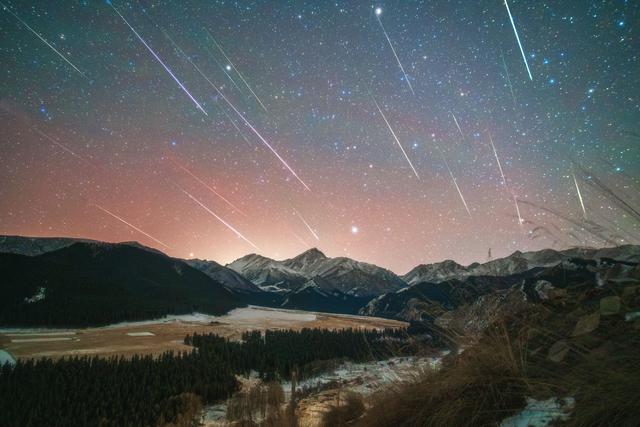
2025年流星雨迎来谢幕演出 小熊座流星雨22日极大
Xin Hua She· 2025-12-20 14:26
Core Viewpoint - The 2025 Ursids meteor shower will reach its peak on December 22, with favorable observation conditions for enthusiasts [1][3]. Group 1: Meteor Shower Characteristics - The Ursids meteor shower has a low activity rate, with a Zenithal Hourly Rate (ZHR) of around 10, and its active period is from December 17 to 26 [3][6]. - The radiant point of the Ursids is near Beta Ursae Minor, making it visible throughout the night for most regions in China [3][4]. - Unlike the more famous Geminids meteor shower, the Ursids offers a longer observation window due to its peak occurring around the winter solstice when nights are longer [3][4]. Group 2: Observation Tips - Enthusiasts are advised to find a location with minimal light pollution and a clear view of the sky, using the North Star to locate Ursa Minor [4]. - Observers should not focus solely on the radiant point, as meteors can appear in any part of the sky [4]. - The absence of moonlight during the peak of the Ursids this year enhances the observation experience [3][6].
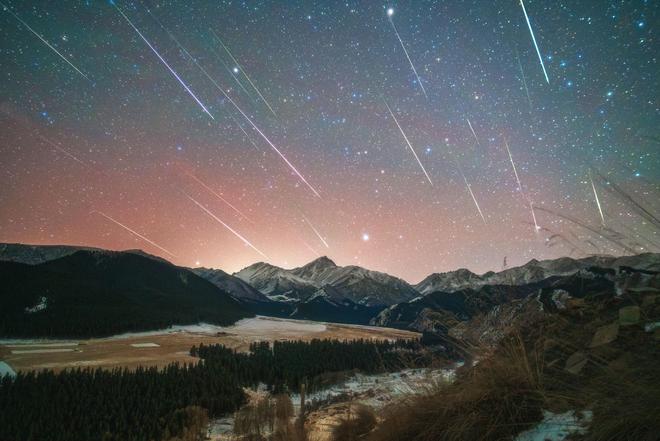
本周末流星雨来临,广州13日夜间至14日凌晨观测最佳
Huan Qiu Wang Zi Xun· 2025-12-10 11:57
Core Viewpoint - The Geminid meteor shower will reach its peak around December 14, providing an opportunity for skywatchers to observe a significant number of meteors, with ideal conditions allowing for approximately 100 meteors per hour [3][4]. Observation Details - The best observation period in Guangzhou is from the night of December 13 to the early morning of December 14, with an alternative observation period from the night of December 14 to the early morning of December 15 [4][7]. - On December 13, Jupiter will rise around 20:00, and the meteor shower observation can begin around 21:00 [4]. - The moon will rise later on December 14, providing better conditions for meteor observation due to a smaller moon phase [7]. Weather Considerations - Observers are advised to find locations away from city lights for optimal viewing conditions and to dress warmly due to expected cold weather, with temperatures dropping to around 9°C [5][7]. - The weather forecast indicates that moderate to strong cold air will affect Guangzhou starting December 13, potentially impacting visibility for the meteor shower [7]. Additional Astronomical Events - Besides the Geminid meteor shower, there will be other celestial events in December, including the Ursid meteor shower peaking on December 22 and a lunar occultation of the Pleiades star cluster on December 31 [10][11][12].
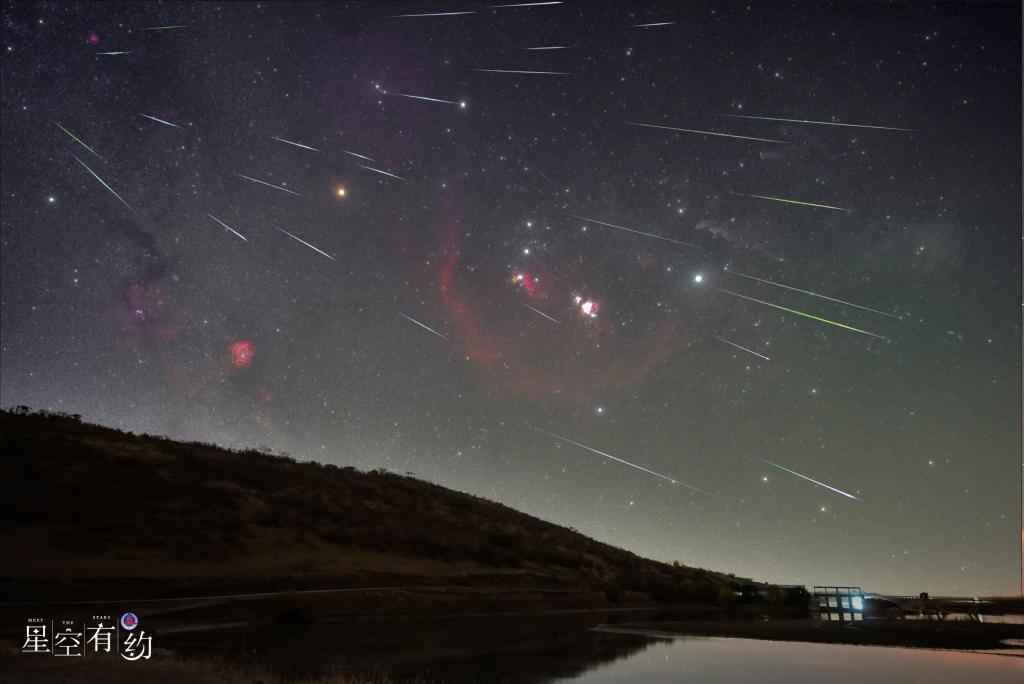
星空有约丨猎户座流星雨21日迎来极大,观测条件极佳-前沿热点
Xin Hua Wang· 2025-10-18 08:34
Core Viewpoint - The Orionid meteor shower is a medium-rate meteor shower observable in both hemispheres, with a peak Zenithal Hourly Rate (ZHR) of about 20, originating from the well-known Halley's Comet [3]. Group 1: Meteor Shower Characteristics - The Orionid meteor shower has a long active period, starting from October 2 and lasting until early November, with peak activity around October 21 [4]. - The meteors are characterized by high speed, brightness, and distinct trails, with occasional bright fireballs [4]. - Ideal observation conditions for this year's peak on October 21 include a new moon, providing a dark sky without moonlight interference [5]. Group 2: Observation Recommendations - The best time for observation is after the radiant point rises around 10 PM (Beijing time) until dawn, with several days around the peak also suitable for viewing [5]. - Observers are advised to avoid city light pollution and choose locations such as rural areas or mountains for optimal viewing [5][6]. - Comfortable seating like reclining chairs or moisture-proof mats is recommended for a better viewing experience [6].

猎户座流星雨21日迎来极大,观测条件极佳
Xin Hua Wang· 2025-10-18 08:11
Core Viewpoint - The Orionid meteor shower, associated with Halley's Comet, is expected to peak on October 21, 2023, providing excellent viewing conditions due to the absence of moonlight [1][4][6]. Group 1: Meteor Shower Characteristics - The Orionid meteor shower is a medium-rate meteor shower observable in both the Northern and Southern Hemispheres, with a peak Zenithal Hourly Rate (ZHR) of about 20 meteors per hour during its maximum [2][4]. - The radiant point of the Orionid meteor shower is located between the constellations Orion and Gemini, with an active period from October 2 to early November [4]. - The meteors are characterized by their high speed, brightness, and distinct trails, with occasional bright fireballs [4]. Group 2: Observational Conditions - The peak of the meteor shower is expected around 21:00 on October 21, 2023, with ideal conditions for observation due to the new moon [6]. - The best time for viewing is after the radiant point rises around 22:00 until dawn, with several days before and after the peak also suitable for observation [6]. - Observers are advised to find locations with minimal light pollution, such as rural areas or high altitudes, and to use the naked eye for the best experience [6][8].
星空有约|英仙座流星雨13日晨迎来极大 或见彩色火流星
Xin Hua She· 2025-08-11 02:55
Core Viewpoint - The Perseid meteor shower, one of the three major meteor showers in the Northern Hemisphere, will peak on the morning of August 13, providing an excellent opportunity for public observation during the summer season [1][2]. Group 1: Meteor Shower Characteristics - The Perseid meteor shower is characterized by a stable flow of meteors, with a Zenithal Hourly Rate (ZHR) of approximately 100 during its peak [1]. - It is known for its fast-moving, bright meteors that leave noticeable trails, making it ideal for observation [1]. Group 2: Observation Timing and Conditions - The active period of the Perseid meteor shower lasts from late July to late August, with the best observation time being the night of August 12 to the morning of August 13 [2]. - Factors that may negatively impact observation include weather conditions, moonlight, and light pollution; however, the presence of colorful fireballs may still allow for visibility despite moonlight interference [2]. Group 3: Observation Recommendations - No special equipment is needed for observation, and it is recommended to observe with the naked eye [2]. - Observers are advised to choose open areas with minimal light pollution, dress appropriately for the weather, and consider going in groups for safety [2].
星空有约|全年最适宜观测的流星雨来了
Xin Hua She· 2025-08-11 02:46
Group 1 - The Perseid meteor shower is set to peak on the morning of August 13, providing an excellent opportunity for observation on the nights of August 12 and 13 [1][6] - The Perseid meteor shower is one of the three major meteor showers in the Northern Hemisphere, occurring annually in August, alongside the Quadrantids in January and the Geminids in December [2] - The Perseid meteor shower is characterized by a stable flow of meteors, with a zenithal hourly rate (ZHR) of about 100 during its peak, making it ideal for public observation [6] Group 2 - The active period of the Perseid meteor shower lasts from late July to late August, with the peak typically occurring between August 12 and 14 [6] - Observers are advised to choose locations with minimal light pollution and to prepare for varying weather conditions, as factors like moonlight can affect visibility [8][9] - No special equipment is needed for viewing the Perseid meteor shower, and it is recommended to observe in groups for safety and comfort [9]