英雄之旅

Search documents
如何在AI时代,找回你被埋没的创造力。
数字生命卡兹克· 2026-03-31 02:11
Core Viewpoint - The article discusses the phenomenon of people feeling lost when using AI tools, suggesting that this is not due to a lack of need for these tools, but rather a forgotten sense of creativity that has been buried under years of structured education and work environments [1][7][8]. Group 1: The Nature of Creativity - Creativity is an inherent trait in everyone, often suppressed by educational and professional structures that prioritize standard answers and processes over innovative thinking [4][5][6]. - The loss of creativity is attributed to years of conditioning that leads individuals to forget their innate creative instincts [8][10]. Group 2: Steps to Reignite Creativity - **Identify Discomfort**: The first step to reclaiming creativity is recognizing what causes discomfort or dissatisfaction, as this feeling can ignite the desire to create [15][22]. - **Narrow Focus**: After identifying ideas, individuals often struggle with the scope of their ambitions. Limiting the scope to manageable tasks can enhance productivity and creativity [34][40]. - **Create a Rough Draft**: The importance of producing a rough version of an idea is emphasized, as the act of creating helps clarify thoughts and leads to further improvements [54][58][64]. Group 3: Learning from Other Fields - Creativity can be enhanced by exploring unrelated fields and experiences, which can provide new perspectives and ideas that can be applied to one's own work [78][80][86]. - The process of deconstructing successful works from other domains can help individuals understand effective structures and techniques that can be adapted to their own projects [83][87]. Group 4: The Role of Downtime - Allocating time for the mind to wander and process thoughts without distractions is crucial for fostering creativity, as it allows for the subconscious to connect ideas [106][124]. - The article suggests that many great ideas emerge during moments of inactivity, highlighting the need for intentional breaks from constant stimulation [121][126]. Group 5: Internal Motivation - The final point emphasizes that creative endeavors should primarily be for personal satisfaction rather than external validation, as intrinsic motivation significantly boosts creativity and fulfillment [136][140].


神话为什么值得重读?
3 6 Ke· 2025-08-07 07:16
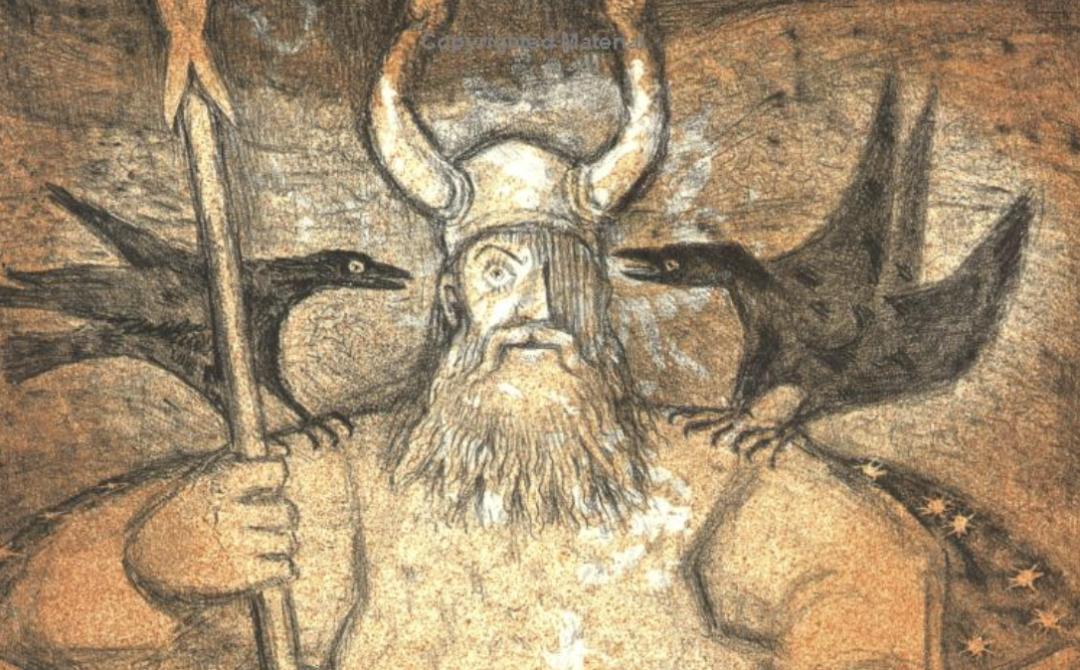
Core Insights - The article discusses the significance of myths, particularly focusing on Greek, Norse, and Celtic myths, in shaping human thought and culture [4][5][20] - It emphasizes the role of myths as cultural frameworks that provide insights into human nature, ethics, and the human experience [10][11][21] Group 1: Greek Mythology - Greek mythology is highlighted as a foundational aspect of Western culture, influencing literature, philosophy, and the arts through works like Homer's epics [5][10] - The concept of "hero's journey" derived from Greek myths has been widely applied in modern storytelling, showcasing its enduring relevance [4][6][12] - Myths serve as a reflection of human emotions and moral dilemmas, with characters embodying both virtues and flaws, thus resonating with contemporary audiences [21][22] Group 2: Norse Mythology - Norse mythology is presented as a source of raw energy and existential themes, contrasting with the rationality of Greek myths [20][31] - The interconnectedness of worlds represented by Yggdrasil, the World Tree, symbolizes the balance of existence and the cyclical nature of life and death [14][20] - Norse myths have significantly influenced modern fantasy literature, particularly through the works of J.R.R. Tolkien, who integrated these elements into his narratives [19][43] Group 3: Celtic Mythology - Celtic mythology is characterized by its mystical elements and connection to nature, offering a different perspective on existence and the human experience [31][32] - The revival of Celtic myths in the 18th and 19th centuries has contributed to a renewed cultural identity and appreciation for these ancient stories [35][36] - Themes of adventure and exploration in Celtic myths continue to inspire contemporary storytelling and cultural expressions [36][37]