
药物监管

Search documents
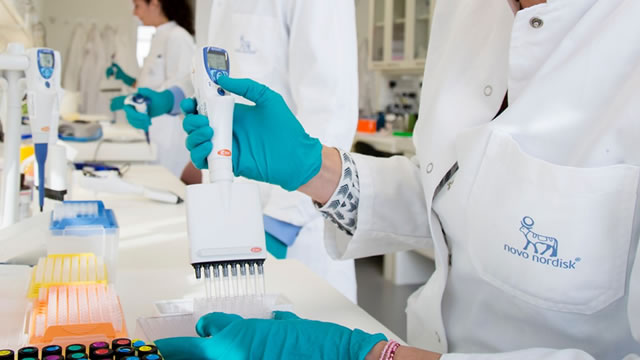
Novo Nordisk shares rebound as FDA targets illegal drug copies
Reuters· 2026-02-06 08:54
Core Viewpoint - Shares in Danish drugmaker Novo Nordisk increased by 4.7% in early trading on Friday, recovering some of the steep losses from the previous two sessions after the U.S. Food and Drug Administration (FDA) committed to addressing the mass-marketing of unapproved drugs [1] Group 1 - Novo Nordisk's stock performance showed a recovery of 4.7% in early trading [1] - The recovery followed two sessions of significant losses for the company [1] - The FDA's pledge to tackle the issue of unapproved drug marketing is a key factor influencing the stock movement [1]


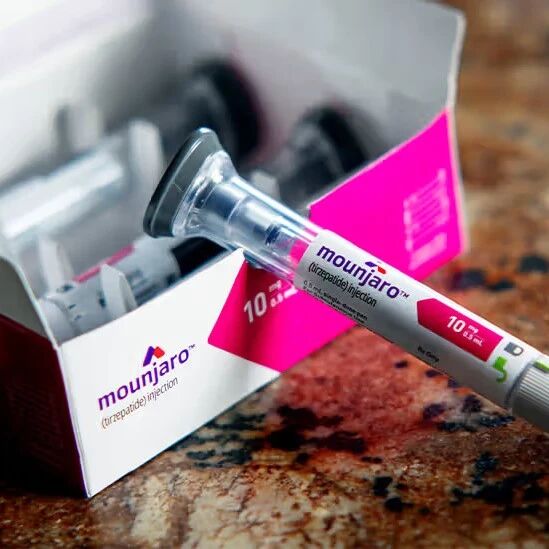
速递|替尔泊肽等GLP-1药物妊娠期禁用再被强调!澳大利亚更新避孕用药警示
GLP1减重宝典· 2026-01-22 11:06
Core Viewpoint - The article discusses the recent update by the Therapeutic Goods Administration (TGA) in Australia regarding the medication Tirzepatide, emphasizing the importance of safety guidelines for its use among women of childbearing age, particularly in relation to oral contraceptives [4][6]. Group 1: Medication Overview - Tirzepatide is a dual-target agonist for glucose-dependent insulinotropic polypeptide (GIP) and glucagon-like peptide-1 (GLP-1), approved for treating type 2 diabetes (T2DM), long-term weight management, and metabolic-related diseases [4]. - It has rapidly become one of the fastest-growing innovative drugs globally in terms of prescription volume due to its significant efficacy in glucose reduction, weight loss, and metabolic improvement [4]. Group 2: Regulatory Changes - The TGA's update includes specific recommendations for women using Tirzepatide alongside oral contraceptives, advising the use of non-oral contraceptive methods or additional barrier methods during the first four weeks of treatment and after each dose increase [7]. - This update follows a systematic assessment by international regulatory bodies regarding the potential risks associated with the expanded use of GLP-1 receptor agonists, particularly concerning reproductive safety and pregnancy risks [6][7]. Group 3: Global Regulatory Trends - The TGA's decision reflects a broader trend in regulatory practices as GLP-1 drugs transition from being viewed primarily as weight loss medications to long-term chronic disease management tools, indicating a shift towards more refined risk management [7]. - As the user population expands, regulatory requirements concerning reproductive safety and long-term medication effects are expected to tighten and become more detailed in various countries [7].
Inside Biotech: TGA raises a red flag on GLP-1 drugs — but uncertainty remains
Proactiveinvestors NA· 2025-12-03 17:04
Core Insights - The Therapeutic Goods Administration (TGA) in Australia issued a safety alert regarding GLP-1 receptor agonists (GLP-1 RAs), linking them to potential suicidal thoughts or behaviors, amidst increasing scrutiny of these weight-loss and diabetes medications [1][2][8] Regulatory Changes - All GLP-1 RAs marketed in Australia, including popular brands like Ozempic and Wegovy, will now feature a standardized warning about reported suicidal behavior and ideation [2][3] - The TGA's Advisory Committee on Medicines reviewed existing evidence and found no definitive causal link but noted inconsistencies in product information, prompting a harmonized update [3][4] Market Implications - The rising use of GLP-1 RAs for obesity management has generated both optimism and concern, with significant global uptake [5] - Increased scrutiny from meta-analyses and pharmacovigilance studies suggests a possible association between GLP-1 RA use and mental health issues, although some studies found no increased risk compared to other therapies [6][7] Impact on Healthcare Providers - Clinicians are urged to monitor patients for mood changes and suicidal thoughts, especially for those with a history of mental illness [9] - The updated warnings may alter prescribing patterns, particularly for off-label use of GLP-1 RAs for weight loss [10] Industry and Investment Considerations - The TGA's alert adds a layer of reputational and regulatory risk for biotech firms and drug developers in the GLP-1 RA space, which remains attractive despite potential tightening of public and medical scrutiny [11] - While the alert may not drastically shift the global investment thesis, it could influence sentiment as companies like Novo Nordisk and Eli Lilly expand their offerings [10][12] Conclusion - The TGA's safety alert highlights the need for vigilance among patients and healthcare providers regarding the use of GLP-1 RAs, balancing the benefits of these powerful medications against emerging safety concerns [12][13]

卡痛叶成分为何在美国引发新的药物危机
Xin Hua She· 2025-08-08 05:33
Core Viewpoint - The U.S. Department of Health and Human Services and the FDA are taking action against products containing "7-hydroxymitragynine," a compound derived from the leaves of the kratom plant, due to its opioid-like effects and the emerging drug crisis it has caused in the U.S. [1] Group 1: Product Overview - 7-hydroxymitragynine is a bioactive alkaloid found in the leaves of the kratom plant, which is native to Southeast Asia, and has similar narcotic effects to morphine [1][2] - The compound can bind to opioid receptors in the central nervous system, providing pain relief and mood enhancement, but its misuse poses significant health risks and addiction potential [2][3] Group 2: Regulatory Concerns - The FDA has received reports of addiction and overdose related to 7-hydroxymitragynine for over a decade but has yet to implement nationwide regulations [2][3] - Products containing this compound are widely available in the U.S. without prescriptions, often marketed as "natural" or "safe," misleading consumers [3][4] Group 3: Public Health Impact - The increasing use of 7-hydroxymitragynine is concerning, with reports indicating that its respiratory suppression is three times that of morphine [3] - There is a rise in severe addiction cases among young people, with withdrawal symptoms including insomnia, anxiety, and physical pain [4] Group 4: Government Response - The FDA has issued warning letters to companies selling products containing 7-hydroxymitragynine, leading to some companies halting sales and recalling products [5] - The FDA is focusing on removing dangerous synthetic 7-hydroxymitragynine products from retail shelves, while natural kratom products with trace amounts are not the primary focus [5] Group 5: Legislative Actions - As of April this year, 24 states and Washington D.C. have some form of regulation on kratom or its components, with six states classifying active kratom ingredients as controlled substances [4][5]