菜市场火锅

Search documents
人均60元涮火锅,盒马胖东来偷家海底捞?
3 6 Ke· 2025-12-15 01:40
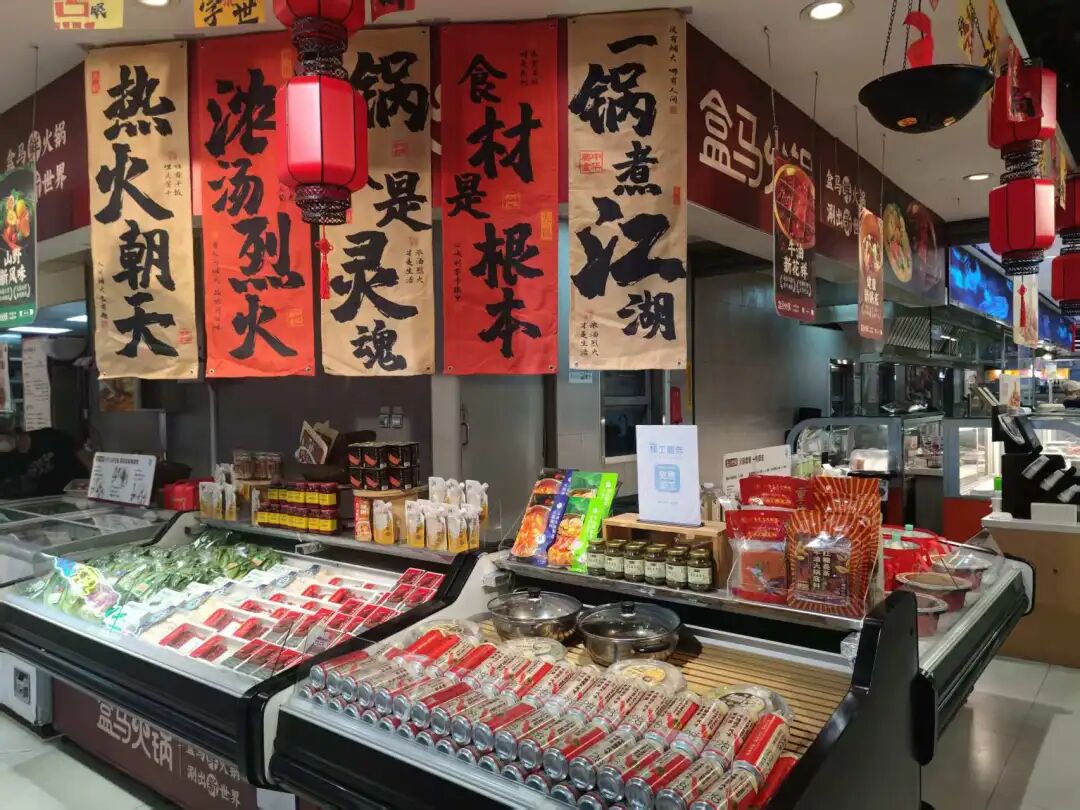
Core Insights - The rise of hot pot dining in supermarkets and markets is becoming a new trend, with major players like Hema, Yonghui, and Pang Donglai entering the market [1][4][14] - The hot pot dining experience in supermarkets offers a unique combination of fresh ingredients and flexible meal options, appealing to consumers seeking social dining experiences [1][7][14] Supermarket Hot Pot Business - Supermarkets are increasingly incorporating hot pot dining into their offerings, leveraging existing food court spaces to add hot pot services with minimal additional investment [1][4] - Hema's hot pot dining includes both set menus and self-service options, with prices for hot pot sets ranging from 78 to 88 yuan [4][14] - Yonghui focuses on individual hot pot meals with a low price point, offering a variety of self-selected ingredients at competitive prices [5][14] - Pang Donglai operates a brand-style hot pot service, allowing customers to order from a menu, with prices for vegetable platters starting as low as 9 yuan [6][14] Consumer Trends and Preferences - The average spending per customer at these hot pot dining options ranges from 60 to 100 yuan, catering to various consumer needs [5][7] - The appeal of supermarket hot pot lies in its cost-effectiveness and the freshness of ingredients, which can be more appealing than traditional hot pot restaurants [7][14] - The hot pot dining experience in supermarkets is designed to attract young consumers and families, with Hema targeting office workers and Yonghui focusing on residential areas [14][15] Market Dynamics and Competition - The hot pot market is experiencing significant growth, with Hema reporting a 59.7% year-on-year increase in hot pot-related sales since November [13][14] - The competition is intensifying as more supermarkets and local hot pot restaurants enter the market, with a focus on fresh ingredients and unique dining experiences [14][15] - New hot pot concepts are emerging, including market-based hot pot restaurants that allow customers to select their own ingredients, reflecting a shift in consumer preferences towards fresh and customizable dining options [8][12][14] Challenges and Future Outlook - Despite the growth potential, challenges remain for scaling these new hot pot concepts, particularly in terms of regional taste preferences and operational logistics [14][15] - The integration of hot pot dining into supermarkets represents a significant shift in the food retail landscape, blurring the lines between grocery shopping and dining experiences [15]