营销神话

Search documents
百年骗局终结!中国县城击穿全球市场,820万降到9.9,珠宝巨头破产
Sou Hu Cai Jing· 2026-01-07 05:17
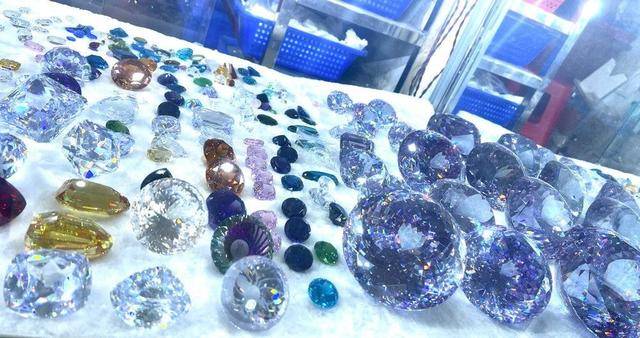
Group 1: Diamond Market Trends - A recent viral video highlighted a woman's disappointment in selling her diamond ring, originally purchased for over 36,000 yuan, for only 400 to 500 yuan, indicating a significant drop in second-hand diamond prices [1] - The price of natural diamonds has been declining, with an annual decrease of approximately 10% from 2022 to the present [1] - Numerous similar complaints have emerged, with individuals reporting that rings bought for 14,000 yuan can now only be sold for 200 yuan, and several thousand yuan rings fetching less than 1,000 yuan [1] Group 2: Rise of Synthetic Diamonds - The rise of China's synthetic diamond industry has disrupted the high-price market for rare gemstones, prompting the American Gem Society to publicly criticize synthetic stones for "disturbing the market" [3] - China's advancements in technology have enabled large-scale production of high-quality lab-grown diamonds at a fraction of the cost of natural diamonds, with prices being about one-tenth [8] - The city of Zhecheng in Henan has become the world's largest production center for lab-grown diamonds, producing over 3 million carats annually and capturing nearly 45% of the global market share [8] Group 3: Marketing and Perception of Diamonds - The high prices of diamonds have historically been maintained through marketing myths rather than actual scarcity, with the discovery of large diamond deposits in South Africa in the 1880s leading to increased supply [5][7] - Major international companies have monopolized over 90% of the diamond supply, creating an illusion of scarcity through marketing strategies that link diamonds to love and commitment [7] Group 4: Impact on Global Jewelry Market - The emergence of affordable synthetic diamonds has led to a decline in sales for traditional diamond companies like De Beers, which has seen a continuous drop in revenue and has had to adapt by launching its own lab-grown diamond brand [12] - Luxury brands, including Prada, have begun to incorporate lab-grown diamonds into their collections, offering products at prices significantly lower than natural diamonds [12] - The rapid growth of the artificial gemstone industry in Guangxi and the lab-grown diamond sector in Henan is challenging the status of natural gemstones as symbols of status and is eroding their market share [15]


百年骗局终结!中国县城击穿全球市场,820万降至9.9元,巨头破产
Sou Hu Cai Jing· 2025-12-14 13:24
Core Insights - The rise of affordable artificial diamonds and gemstones in China is disrupting the luxury gemstone market, with products like the "Little Sugar Cube Diamond Ring" priced at 169 yuan for a one-carat moissanite ring [1] - The traditional luxury status of precious gemstones is being challenged as artificial alternatives become widely available and significantly cheaper, with prices for artificial diamonds being less than one-tenth of natural diamonds [1][5] - The Chinese gemstone industry is experiencing rapid growth, particularly in regions like Henan and Guangxi, leading to a substantial market share in artificial diamonds and gemstones [6][8] Industry Impact - The increase in production of artificial gemstones has led to a significant price drop, causing concern among international jewelry associations, which have called for a boycott of artificial products [3][8] - Historical marketing strategies that maintained the high prices of diamonds are being undermined by advancements in technology that allow for the mass production of artificial diamonds, which are now comparable in quality to natural ones [5][6] - The emergence of Chinese artificial gemstones is not only affecting the luxury market but also providing affordable options for consumers in Southeast Asia, where previously expensive natural gemstones were out of reach [8] Market Dynamics - The production capacity of artificial diamonds in Henan has reached over 3 million carats annually, capturing nearly 45% of the global market share, which has led to declining revenues for traditional diamond companies like De Beers [6][8] - The rapid growth of the artificial gemstone industry is causing established brands to pivot towards this new market, as seen with De Beers launching its own brand of artificial diamonds, Lightbox Jewelry [6] - The competitive landscape is shifting, with domestic brands facing challenges, such as the bankruptcy of I Do's parent company, highlighting the impact of the artificial gemstone market on traditional luxury brands [6]