蓝水

Search documents
为什么现在洪水、暴雨、干旱越来越多了?
虎嗅APP· 2025-07-29 13:36
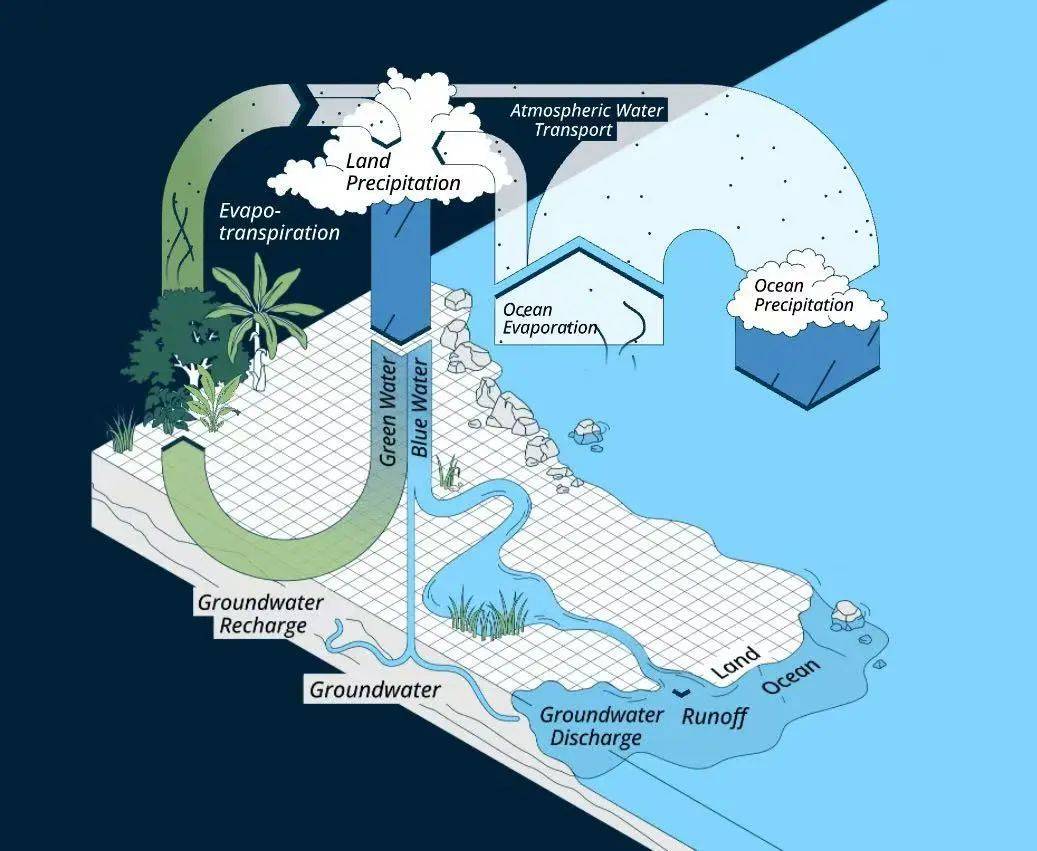
Core Viewpoint - The article discusses the urgent state of global water systems, highlighting the impact of human activities and climate change on water cycles, leading to increased water-related disasters and a looming water crisis that threatens food security and economic stability [3][4][10]. Group 1: Water Crisis and Its Implications - Thailand's recent flooding in Chiang Mai, attributed to heavy rainfall and exacerbated by deforestation and land use changes, reflects a broader trend of increasing water-related disasters globally [3][4]. - The Global Water Economy Commission (GCEW) report indicates that human activities have disrupted the global hydrological cycle for the first time in history, making natural rainfall less reliable as a freshwater source [4][9]. - By 2050, the water crisis is projected to threaten over half of global food production, with potential GDP losses averaging 8% worldwide, and up to 15% in low-income countries [12][18]. Group 2: Green Water and Its Role - Green water, which constitutes nearly half of terrestrial rainfall, is often overlooked in water management policies that focus primarily on blue water (surface and groundwater) [6][12]. - The report emphasizes the need for a holistic approach to water management that includes both blue and green water, as changes in land use can significantly affect rainfall patterns in other regions [8][13]. - In China, the disparity in water distribution, with 80% of water resources in the south but half the population and two-thirds of arable land in the north, highlights the urgent need for improved water management strategies [12][14]. Group 3: Economic and Policy Recommendations - The GCEW report advocates for viewing water as a public good and integrating economic, social, and environmental sustainability in water resource management [17][18]. - Recommendations include reforming water pricing, investing in public goods for better water data transparency, and promoting sustainable water resource allocation [18]. - The report calls for a revolution in food systems, protection of natural habitats, and the reuse of water to address the impending water crisis effectively [18].

为什么现在洪水、暴雨、干旱越来越多了?
Hu Xiu· 2025-07-29 01:31
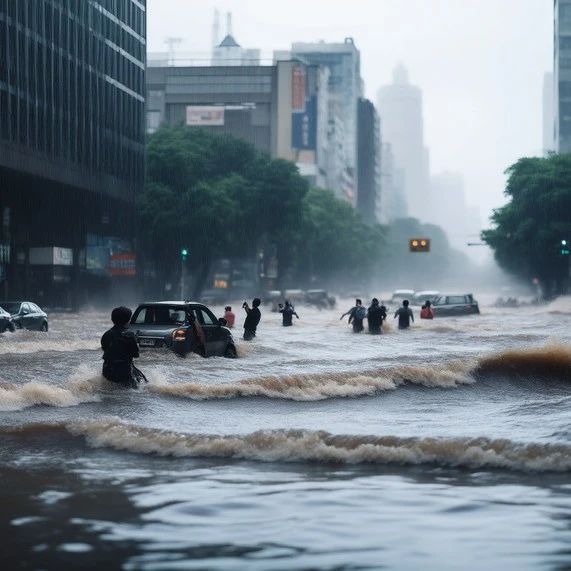
Group 1: Flooding in Thailand - Chiang Mai, a popular tourist city in Thailand, has recently experienced severe flooding, the worst in fifty years, due to continuous heavy rainfall, affecting ancient city corners, residential areas, and tourist attractions, leading to casualties and stranded tourists [1] - At least 23 provinces in Thailand have been affected by flooding since the onset of the monsoon season [1] - Local media attribute the severity of the flooding to deforestation and agricultural land expansion, which have made the region more vulnerable to heavy rains [1] Group 2: Global Water Crisis - Scientists warn that the world is in a water-related emergency, with ecosystems suffering from long-term damage due to the underestimation of water [2] - The Global Commission on Water Economics (GCEW) has reported that human activities have "for the first time in history" disrupted the global hydrological cycle [3] - Poor land use and global warming have placed immense pressure on the Earth's water systems, making natural rainfall as a freshwater source unreliable [4] Group 3: Water Cycle Dynamics - The GCEW report emphasizes the importance of understanding the water cycle, which includes both land and ocean precipitation processes [6] - It highlights that policies have historically focused on managing blue water (rivers, lakes, groundwater) while neglecting green water (soil and vegetation), which contributes nearly half of the rainfall on land [8] - The report calls for a global perspective on water management, recognizing the interconnectedness of water resources across regions and the impact of land use changes on rainfall patterns [9] Group 4: Impacts of Water Imbalance - The imbalance in the water cycle has been linked to increased risks of droughts, floods, and extreme weather events, with significant implications for food and water security [11] - The GCEW predicts that by 2050, water crises could threaten over half of global food production, with potential GDP losses averaging 8% worldwide, and up to 15% in low-income countries [12] - In northern China, a significant water crisis is evident, with a stark contrast in water distribution, where four-fifths of the water is in the south, while half the population and two-thirds of arable land are in the north [13] Group 5: Agricultural Water Management - Experts emphasize the need for improved water management strategies that consider both blue and green water to ensure food security [16] - The report suggests that maintaining soil moisture should be a key component of climate mitigation strategies, as it is crucial for both water and food security [12] - Innovative agricultural practices, such as drip irrigation and soil moisture conservation techniques, are recommended to enhance water use efficiency [18] Group 6: Economic and Policy Recommendations - The GCEW report advocates for viewing water as a public good and integrating economic, social, and environmental sustainability in water management [22] - It suggests that governments should implement appropriate pricing and subsidies for water resources to encourage sustainable and equitable distribution [22] - The report highlights the need for interdisciplinary collaboration to address the complex challenges posed by extreme weather and water-related disasters [21]