薪酬分配机制改革

Search documents
“董事长反对自己当选董事长”,年薪达435万元为何仍不满?本人回应
Mei Ri Jing Ji Xin Wen· 2025-12-03 03:39
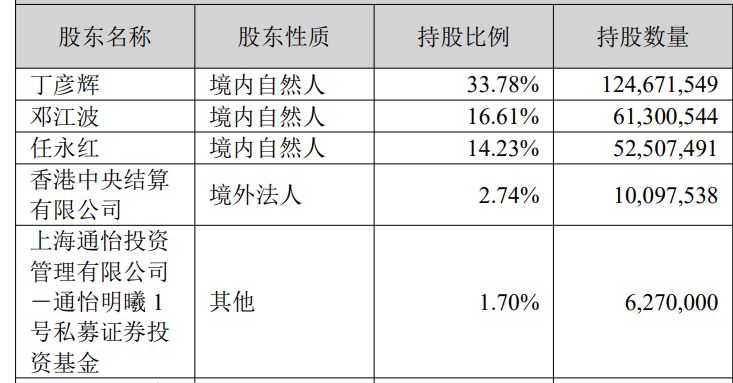
Core Viewpoint - The chairman of Absen, Ding Yanhui, expressed dissatisfaction with the company's governance structure and compensation mechanisms, indicating a need for reform, which he initiated by voting against his own re-election as chairman [1][3][6]. Group 1: Governance and Compensation Issues - Ding Yanhui's opposition to his re-election was framed as a protest against the company's compensation structure, which he described as "unscientific, unreasonable, and incomplete" [3][6]. - The company reported a significant increase in Ding's pre-tax compensation to 4.3556 million yuan in 2024, which raised public skepticism about his motives for opposing his own salary [3][5]. - Ding emphasized the need for a comprehensive review of the company's overall compensation system, suggesting that discussions about his salary could lead to broader reforms [6][7]. Group 2: Company Performance and Shareholding Structure - Absen's main business involves providing a full range of LED display products and professional audiovisual solutions, with 2024 revenues reported at 3.663 billion yuan, a decline of 8.58% year-on-year, and a net profit of 117 million yuan, down 62.98% [5]. - The company's performance showed improvement in the first three quarters of the year, with revenues of 2.872 billion yuan and a net profit of 185 million yuan, reflecting year-on-year growth of 5.66% and 57.33%, respectively [5]. - The shareholding structure is concentrated among three founders, with Ding holding 33.78%, which complicates governance and decision-making processes [8][9]. Group 3: Reform Initiatives and Challenges - Ding acknowledged that internal reforms face significant resistance due to the current shareholding structure, which limits decision-making efficiency [8][10]. - He proposed that if the other major shareholders were to reduce their stakes, it could facilitate necessary reforms and improve the company's governance [10][11]. - Ding indicated that if reforms could not be implemented, he might resign from his position as chairman, highlighting the urgency of addressing these governance issues [11][12].


435万元年薪为何仍不满?艾比森实控人丁彦辉回应“反对自己当董事长”:薪酬分配不科学、不合理
Mei Ri Jing Ji Xin Wen· 2025-12-03 01:58
Core Viewpoint - The actual controller of Aibisen, Ding Yanhui, expressed dissatisfaction with the company's governance structure and compensation distribution mechanisms, indicating a need for internal reform, which he initiated by voting against his own re-election as chairman [1][4][5]. Group 1: Company Governance and Compensation - Ding Yanhui's vote against his re-election was primarily aimed at highlighting issues within the company's governance and compensation systems, rather than personal dissatisfaction with his salary of 4.36 million yuan, which increased significantly by nearly 1.5 million yuan year-on-year [2][3]. - The company reported a revenue of 3.663 billion yuan and a net profit of 117 million yuan for 2024, showing declines of 8.58% and 62.98% respectively compared to the previous year, while the first three quarters of the current year showed improvements with revenues of 2.872 billion yuan and a net profit of 185 million yuan, reflecting year-on-year growth of 5.66% and 57.33% [3][4]. Group 2: Shareholding Structure and Reform Challenges - Aibisen's shareholding structure is concentrated among three founders, with Ding Yanhui holding 33.78%, which complicates decision-making and reform efforts due to potential resistance from other major shareholders [6][8]. - Ding Yanhui indicated that the lack of willingness from other major shareholders to reduce their stakes is a significant barrier to implementing necessary reforms, which he believes would benefit the company by allowing for greater market participation [6][7].