藏学

Search documents
于“香格里拉”往返间,探藏学、国学与语文学之幽微
Xin Lang Cai Jing· 2025-12-27 00:20
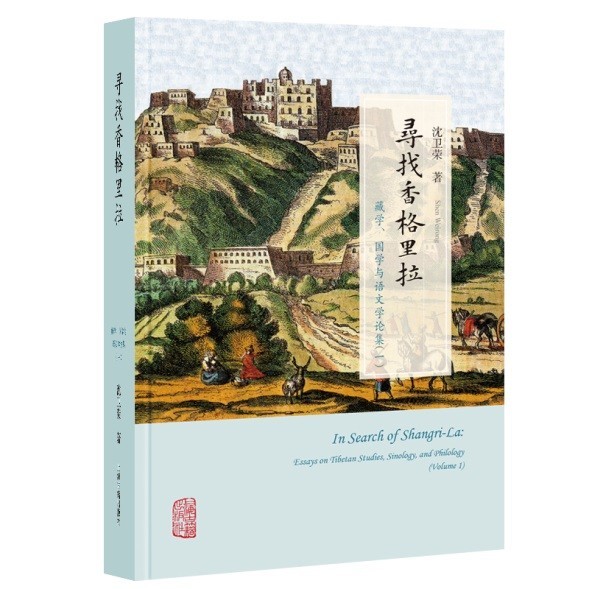
Core Perspective - The two works by Shen Weirong, "Searching for Shangri-La" and "Are We Still Prisoners of Shangri-La?", explore the complex interplay between Tibetan studies, Chinese studies, and literary studies, questioning whether the pursuit of knowledge leads to self-imposed limitations in understanding Tibetan culture and identity [3][4][10]. Summary by Sections Overview of the Works - "Searching for Shangri-La" was first published in December 2010 and sparked discussions on the "Tibet issue," addressing misconceptions about Tibetan traditions and lifestyles while advocating for a textual and linguistic approach to reveal the true essence of Tibet [4][5]. - The 2025 reissue by Shanghai Ancient Books Publishing House includes "Are We Still Prisoners of Shangri-La?" as a complementary piece, emphasizing the importance of interdisciplinary research in Tibetan studies, Chinese studies, and literary studies [4][6]. Methodological Approach - The advocated method of literary studies is a "decentralization" practice that neither accepts the "exotic privilege" of Tibetan studies nor the "central perspective" of Chinese studies, allowing texts to speak through the collision of multiple languages and civilizations [6][12]. - The works emphasize the significance of literary studies as a core methodology, integrating empirical research and textual analysis to bridge Tibetan and Chinese studies [7][12]. Cultural Symbolism and Misinterpretation - The concept of "Shangri-La" is deconstructed, revealing how Western narratives have transformed Tibetan culture into a commodified symbol, stripping it of its religious and cultural significance [5][8]. - The author critiques the oversimplification of Tibetan culture in academic discourse and calls for a return to a more nuanced understanding of Tibetan identity through historical and cultural contexts [9][11]. Academic Reflection and Paradigm Shift - "Are We Still Prisoners of Shangri-La?" addresses the "prisoner's dilemma" in academic research, urging scholars to move beyond mere adherence to established authorities and to engage in independent, evidence-based inquiry [10][11]. - The author warns against the dominance of Western narratives in Tibetan studies and advocates for a return to local methodologies that reflect the historical and cultural realities of Tibet [10][11]. National Identity and Cultural Integration - The works situate Tibetan studies within the broader context of national cultural strategies and identity construction, arguing that the Sinicization of Tibetan Buddhism is a result of historical cultural integration rather than mere assimilation [11][13]. - By tracing the historical interactions between Han and Tibetan cultures, the author constructs a narrative that emphasizes the shared heritage and mutual influence between these cultures [11][13]. Interdisciplinary Research and Future Directions - The two volumes highlight the potential for interdisciplinary research to enrich the understanding of Tibetan culture and its relationship with Chinese culture, advocating for a methodology that balances empirical evidence with theoretical insights [12][13]. - The author encourages further exploration of digital humanities and the integration of Tibetan literature into global academic dialogues, aiming for a more autonomous and confident narrative in Tibetan studies [16].

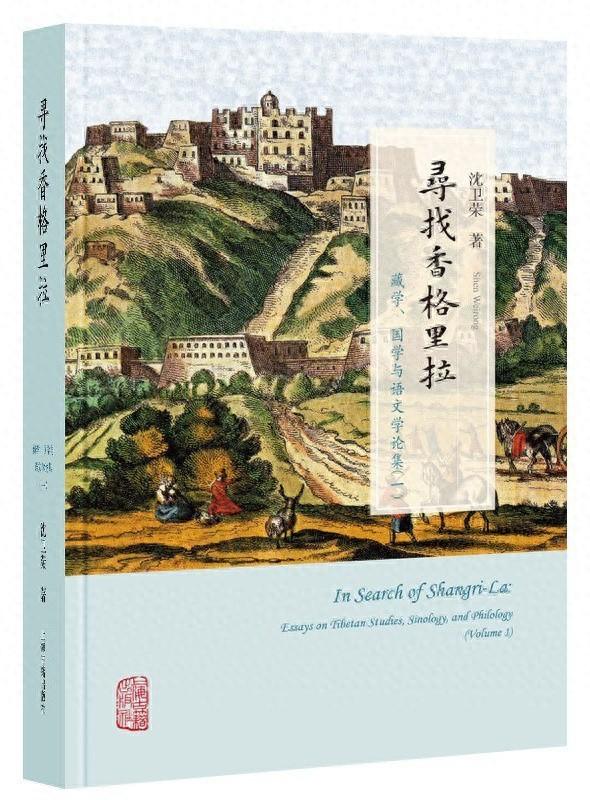
沈卫荣|寻找香格里拉——妖魔化与神话化西藏的背后
Xin Lang Cai Jing· 2025-07-23 05:12
Core Viewpoint - The concept of Shangri-La represents a Western idealization of Tibet, serving as a spiritual refuge that contrasts sharply with the reality of Tibetan culture and society [8][9][21]. Group 1: Historical Context - The initial idea of Shangri-La emerged from the 1931 hijacking incident involving a British diplomat, which led to the romanticized portrayal of a utopian paradise in the Himalayas [6][7]. - The economic turmoil of the Great Depression in 1929 and the aftermath of World War I contributed to a Western yearning for an idyllic escape, symbolized by Shangri-La [7][8]. Group 2: Cultural Misrepresentation - Shangri-La is depicted as a place of eternal youth and prosperity, where the local Tibetan population serves as subservient figures to the ruling elite, highlighting a racial hierarchy [9][10]. - The Western narrative often overlooks the actual socio-economic conditions of Tibetans, reducing them to mere servants in the imagined paradise of Shangri-La [10][11]. Group 3: Imperialistic Undertones - The portrayal of Shangri-La is steeped in imperialistic ideology, reflecting a Western desire to dominate and reshape Eastern cultures according to their fantasies [9][21]. - The concept serves as a museum of Western civilization, where Eastern traditions are merely decorative elements rather than authentic representations [9][21]. Group 4: Modern Implications - The recent identification of a location in Yunnan as Shangri-La is criticized as a misappropriation of Tibetan culture for commercial gain, reinforcing Western fantasies rather than respecting the reality of Tibetan identity [10][22]. - The ongoing fascination with Tibet in the West is largely based on a constructed myth rather than an understanding of the actual cultural and social dynamics [21][22].