语文学

Search documents
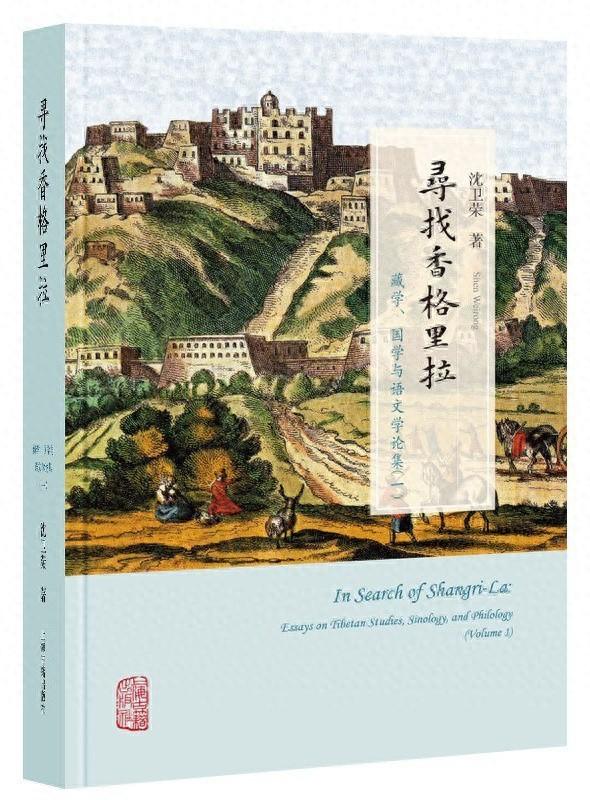
于“香格里拉”往返间,探藏学、国学与语文学之幽微
Xin Lang Cai Jing· 2025-12-27 00:20
Core Perspective - The two works by Shen Weirong, "Searching for Shangri-La" and "Are We Still Prisoners of Shangri-La?", explore the complex interplay between Tibetan studies, Chinese studies, and literary studies, questioning whether the pursuit of knowledge leads to self-imposed limitations in understanding Tibetan culture and identity [3][4][10]. Summary by Sections Overview of the Works - "Searching for Shangri-La" was first published in December 2010 and sparked discussions on the "Tibet issue," addressing misconceptions about Tibetan traditions and lifestyles while advocating for a textual and linguistic approach to reveal the true essence of Tibet [4][5]. - The 2025 reissue by Shanghai Ancient Books Publishing House includes "Are We Still Prisoners of Shangri-La?" as a complementary piece, emphasizing the importance of interdisciplinary research in Tibetan studies, Chinese studies, and literary studies [4][6]. Methodological Approach - The advocated method of literary studies is a "decentralization" practice that neither accepts the "exotic privilege" of Tibetan studies nor the "central perspective" of Chinese studies, allowing texts to speak through the collision of multiple languages and civilizations [6][12]. - The works emphasize the significance of literary studies as a core methodology, integrating empirical research and textual analysis to bridge Tibetan and Chinese studies [7][12]. Cultural Symbolism and Misinterpretation - The concept of "Shangri-La" is deconstructed, revealing how Western narratives have transformed Tibetan culture into a commodified symbol, stripping it of its religious and cultural significance [5][8]. - The author critiques the oversimplification of Tibetan culture in academic discourse and calls for a return to a more nuanced understanding of Tibetan identity through historical and cultural contexts [9][11]. Academic Reflection and Paradigm Shift - "Are We Still Prisoners of Shangri-La?" addresses the "prisoner's dilemma" in academic research, urging scholars to move beyond mere adherence to established authorities and to engage in independent, evidence-based inquiry [10][11]. - The author warns against the dominance of Western narratives in Tibetan studies and advocates for a return to local methodologies that reflect the historical and cultural realities of Tibet [10][11]. National Identity and Cultural Integration - The works situate Tibetan studies within the broader context of national cultural strategies and identity construction, arguing that the Sinicization of Tibetan Buddhism is a result of historical cultural integration rather than mere assimilation [11][13]. - By tracing the historical interactions between Han and Tibetan cultures, the author constructs a narrative that emphasizes the shared heritage and mutual influence between these cultures [11][13]. Interdisciplinary Research and Future Directions - The two volumes highlight the potential for interdisciplinary research to enrich the understanding of Tibetan culture and its relationship with Chinese culture, advocating for a methodology that balances empirical evidence with theoretical insights [12][13]. - The author encourages further exploration of digital humanities and the integration of Tibetan literature into global academic dialogues, aiming for a more autonomous and confident narrative in Tibetan studies [16].

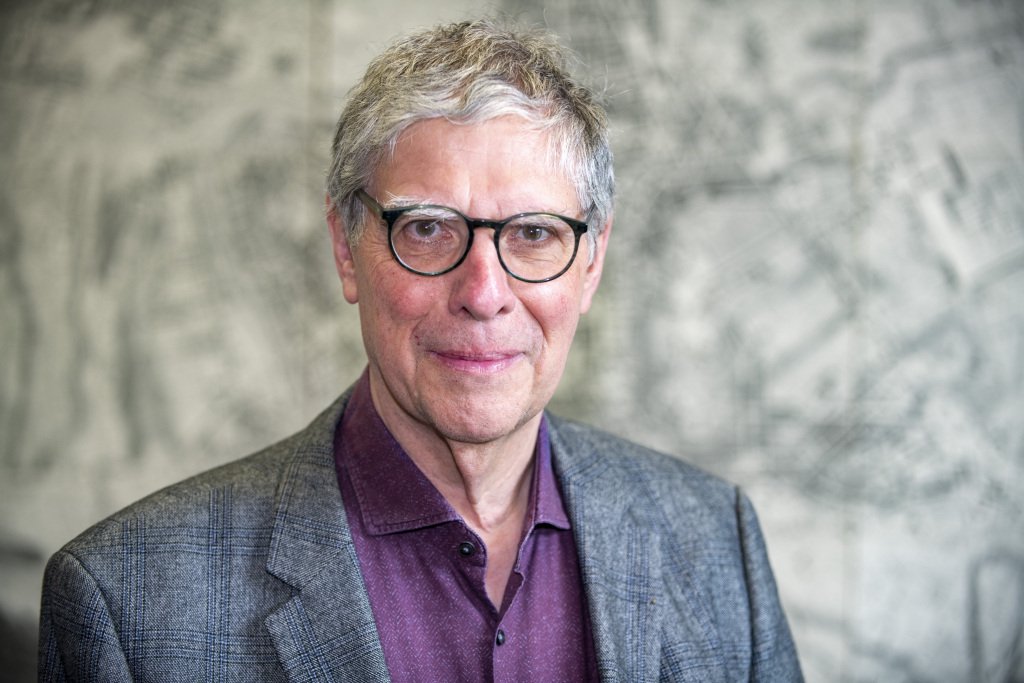
格伦·莫斯特|与其说是古典学家,不如说是比较学家
Xin Lang Cai Jing· 2025-10-18 02:46
Core Insights - Glenn Most is a prominent classical scholar with a diverse academic background spanning the United States, Germany, and Italy, focusing on ancient Greek literature, comparative literature, and cultural studies [1][3][4] Academic Journey - Most initially intended to study biophysics at Harvard but shifted to modern literature and philosophy, eventually pursuing classical studies to understand the roots of modern works [3][4] - He holds two PhDs, one in comparative literature from Yale and another in ancient Greek literature from Tübingen, reflecting his deep interest in the concept of "poetic truth" [4][5] Teaching Experience - Most has taught at various prestigious institutions, including universities in the U.S., Germany, and Italy, noting differences in academic culture and structure between American and European universities [5][6] - He emphasizes the collaborative nature of research and teaching in American universities compared to the more hierarchical structure in European institutions [5] Evolution of Classical Studies - Classical studies have faced challenges since World War II, struggling to maintain their authority and prestige amid the overall decline of the humanities [6][7] - Most observes a shift in classical studies towards integrating modern methodologies, such as structuralism and gender studies, although this has not fully restored the field's former status [6][7] Philology and Methodology - Most's interest in philology grew from his experiences in Tübingen, where he recognized the importance of philologists in understanding classical texts [7][8] - He collaborated on a new translation of Wolf's "Prolegomena ad Homerum," aiming to bring this core text to a broader audience, highlighting the significance of teamwork in academic projects [8][9] Academic Practices - Most defines philology as a professional study of authoritative texts, linking it to historical and ethical dimensions in education [9][10] - He believes that philology should be understood as both a professional discipline and a collection of evolving values and interpretative practices [10][11] Influence of the Leibniz Prize - Winning the Leibniz Prize allowed Most to promote classical studies in directions he deemed important, leading to the publication of the "Aporemata" series, which discusses key methodologies in classical studies [11][12] Interdisciplinary Collaboration - Most emphasizes the importance of interdisciplinary collaboration in addressing the challenges posed by ancient technical texts, advocating for a collective approach to research [12][15] - He has organized projects that bring together experts from various fields to explore the connections between ancient mathematics and other disciplines [15][18] Comparative Classical Studies - Most identifies as a comparative scholar, believing that understanding ancient Greek literature requires comparative analysis with other literary traditions [18][19] - He advocates for integrating Greek and Roman studies into broader comparative and global classical studies, especially in light of institutional challenges [19][21]