虚拟社交

Search documents
央视调查:部分未成年人正在与梦角哥恋爱
Xin Lang Cai Jing· 2026-01-25 12:06
Core Viewpoint - The phenomenon of "Mengjiao Ge" (梦角哥), a virtual emotional partner, is gaining traction among minors, leading to concerns about its psychological impact and the potential for creating a false sense of security in their lives [1] Group 1: Virtual Emotional Connections - "Mengjiao Ge" refers to a deep emotional connection with fictional characters through fantasy, often facilitated by online videos and various methods like tarot cards and AI [1] - Many users report feeling a tangible connection with "Mengjiao Ge," sharing experiences of warmth and comfort attributed to this virtual entity [1] Group 2: Psychological Implications - Experts highlight that "Mengjiao Ge" serves as a psychological trap, exploiting adolescents' desire for intimacy and creating a false safe space [1] - The rise of virtual social interactions is linked to minors' reluctance to confront real-life issues, leading them to retreat into the virtual world [1] - This trend may result in a deterioration of social skills and an increasing dependency on virtual relationships, creating a self-reinforcing cycle [1]
央视曝光“梦回大唐”实为窒息游戏,正通过学生社交群扩散
Xin Lang Cai Jing· 2026-01-25 05:55
Group 1 - The article highlights the emergence of dangerous online trends among minors, such as the "Dreaming Back to Tang" suffocation game, which poses severe risks including brain damage and even death due to induced hypoxia [1][4] - Schools are responding by incorporating internet safety education into weekly meetings and establishing mechanisms for campus patrols and student feedback to raise awareness about the dangers of such games [2] - Another concerning trend is the rise of Eating Disorders (ED) among minors, where these conditions are glamorized in online communities, leading to harmful behaviors disguised as identity markers [4][7] Group 2 - The article discusses the psychological factors driving minors towards these harmful behaviors, emphasizing their desire for control over their bodies and the influence of peer acceptance [7][9] - The concept of "Dream Brother" (MJG) is introduced, where minors engage in virtual relationships with fictional characters, which can lead to a detachment from reality and hinder their social skills [10][13] - Experts suggest that addressing these issues requires a combination of technological interventions and family guidance, as traditional methods of content regulation are becoming less effective [12][14]


危险“加密对话”藏匿网络 如何为未成年人守好关?
Xin Lang Cai Jing· 2026-01-23 13:45
Core Viewpoint - The article highlights the emergence of dangerous online trends among minors, such as "suffocation games" and "ED" (Eating Disorder) culture, which pose significant risks to their physical and mental health [1][5][11]. Group 1: Dangerous Online Trends - "Dreaming Back to the Tang Dynasty" is identified as a suffocation game that induces a state of brain hypoxia, leading to severe health risks including irreversible brain damage or death [3][5]. - The term "ED" refers to Eating Disorders, which are being glamorized in certain online communities, transforming serious health issues into trendy identities [5][11]. - Minors are using coded language to discuss harmful behaviors, such as referring to purging as "giving birth," indicating a need for secrecy and evasion of adult understanding [5][11]. Group 2: Psychological and Social Factors - Experts suggest that minors engage in these harmful behaviors as a means of seeking control over their bodies and expressing pressures from their real lives [11][12]. - The desire for social acceptance among peers often drives minors to imitate these dangerous behaviors, viewing them as a ticket to belonging in specific social circles [12][14]. - The influence of social media algorithms reinforces unhealthy standards of beauty, leading minors to internalize harmful ideals [16][19]. Group 3: Challenges in Regulation and Intervention - The evolving nature of these harmful subcultures makes traditional content moderation ineffective, as minors often use indirect references to communicate [19][20]. - Internet companies are exploring dynamic desensitization strategies to identify and intervene in cases of unhealthy behavior patterns among users [20][22]. - Collaboration with educational institutions and mental health professionals is being pursued to provide support and resources for minors facing psychological challenges [22]. Group 4: Role of Parents and Family - Experts emphasize the importance of parental engagement in addressing these issues, advocating for empathy and open communication rather than punitive measures [24]. - Parents are encouraged to act as guides in their children's lives, helping them navigate the complexities of virtual interactions and emotional needs [24].

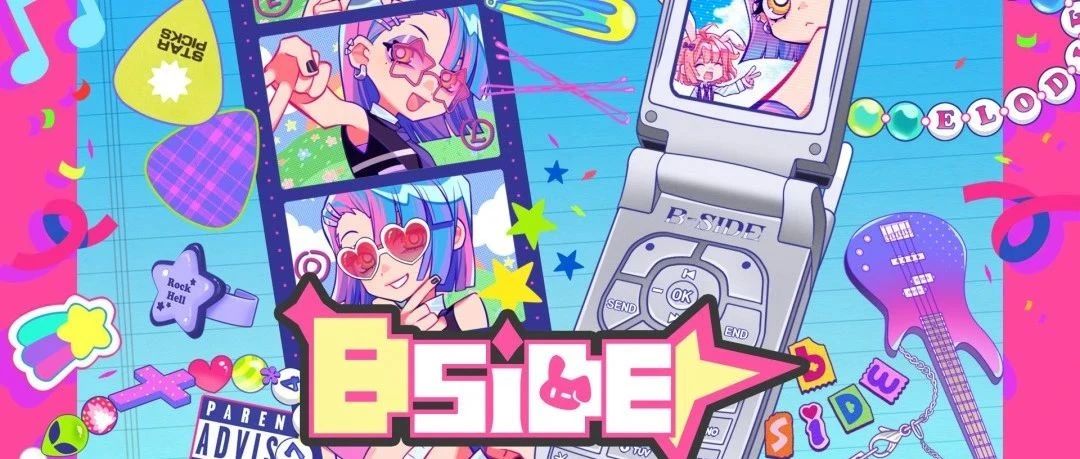
Z Potentials|乔海鑫,打造OC社交平台Bside,二次元社交观察者,用虚拟角色连接新一代的社交关系
Z Potentials· 2025-07-15 03:14
Core Viewpoint - The article discusses the evolution of virtual characters and social systems, emphasizing the shift towards AI-driven "Living OC" (Original Characters) that possess memory, emotions, and behavioral logic, fulfilling users' desires for virtual companionship and emotional connection [1][16]. Group 1: Company Overview - Bside, developed by Kotoko AI, aims to create a social gaming platform where users can interact with their original characters, transforming them into companions and social currency [1][22]. - The platform integrates UGC (User Generated Content), AI agents, and gamification to build a virtual playground centered around OC, fostering deep connections between users and characters [1][22]. Group 2: Founder Insights - Patrick, the founder of Bside, has a background in UGC gaming and virtual social ecosystems, having co-founded Yahaha Studios, and emphasizes the importance of understanding the emotional and identity needs of the younger generation [2][6]. - He believes that virtual social spaces are not merely entertainment but are essential for reconstructing identity and emotional connections among users [5][9]. Group 3: User Engagement and Behavior - Bside has achieved a 70% retention rate and users spend an average of 2-3 hours daily on the platform, indicating strong emotional connections with their characters [12][26]. - Users express a desire for their characters to have lifelike interactions, leading to spontaneous social behaviors such as sharing stories and engaging in collaborative adventures [28][30]. Group 4: Market Trends and Cultural Shifts - The rise of OC culture reflects a generational shift in social expression, where OC serves as a social currency and a tool for identity construction among younger users [15][18]. - The platform targets the post-2005 generation, particularly young women, who are more receptive to virtual social interactions and have a higher emotional investment in content creation [25][35]. Group 5: Future Directions - Bside aims to enhance user experience by creating a seamless virtual world where characters can autonomously interact and evolve, thus providing users with a sense of ownership and emotional fulfillment [37][38]. - The company plans to expand its features, including a "wishing system" for characters, to deepen user engagement and emotional connection [24][37].