融合型康养产业

Search documents
居家服务破解养老痛点 康养产业热度攀升
Jing Ji Ri Bao· 2025-12-06 05:08
Group 1 - The core viewpoint of the articles highlights the rapid expansion of China's health and wellness market, driven by increasing health awareness and an aging population, with the market expected to reach 8 trillion yuan in 2023 and grow to 9.5 trillion yuan by 2025 and nearly 15 trillion yuan by 2030 [1] Group 2 - The aging population has led to a surge in demand for home care services, with significant growth in services such as rehabilitation and daily care, evidenced by a 120% increase in searches for "elderly bathing" and over 85% growth in group orders for related services [2] - The integration of various sectors such as health, wellness, and leisure is fostering the development of the health and wellness industry, transitioning from single-point services to a more platform-based and ecological approach [3] - The fusion-type health and wellness industry not only meets the essential needs of the elderly for health care and support but also stimulates new consumer demands by integrating with sectors like culture and tourism [4] Group 3 - The booming health and wellness economy is providing new opportunities for regional economic transformation, with the emergence of health tourism destinations leveraging ecological resources [5] - National policies such as the "Healthy China 2030" initiative are guiding the development of the health and wellness industry, with various provinces actively promoting health tourism as a development goal [6] - There are challenges in the health tourism sector, including a lack of product diversity and insufficient experiential offerings, indicating a need for tailored services that cater to different consumer demographics [6]
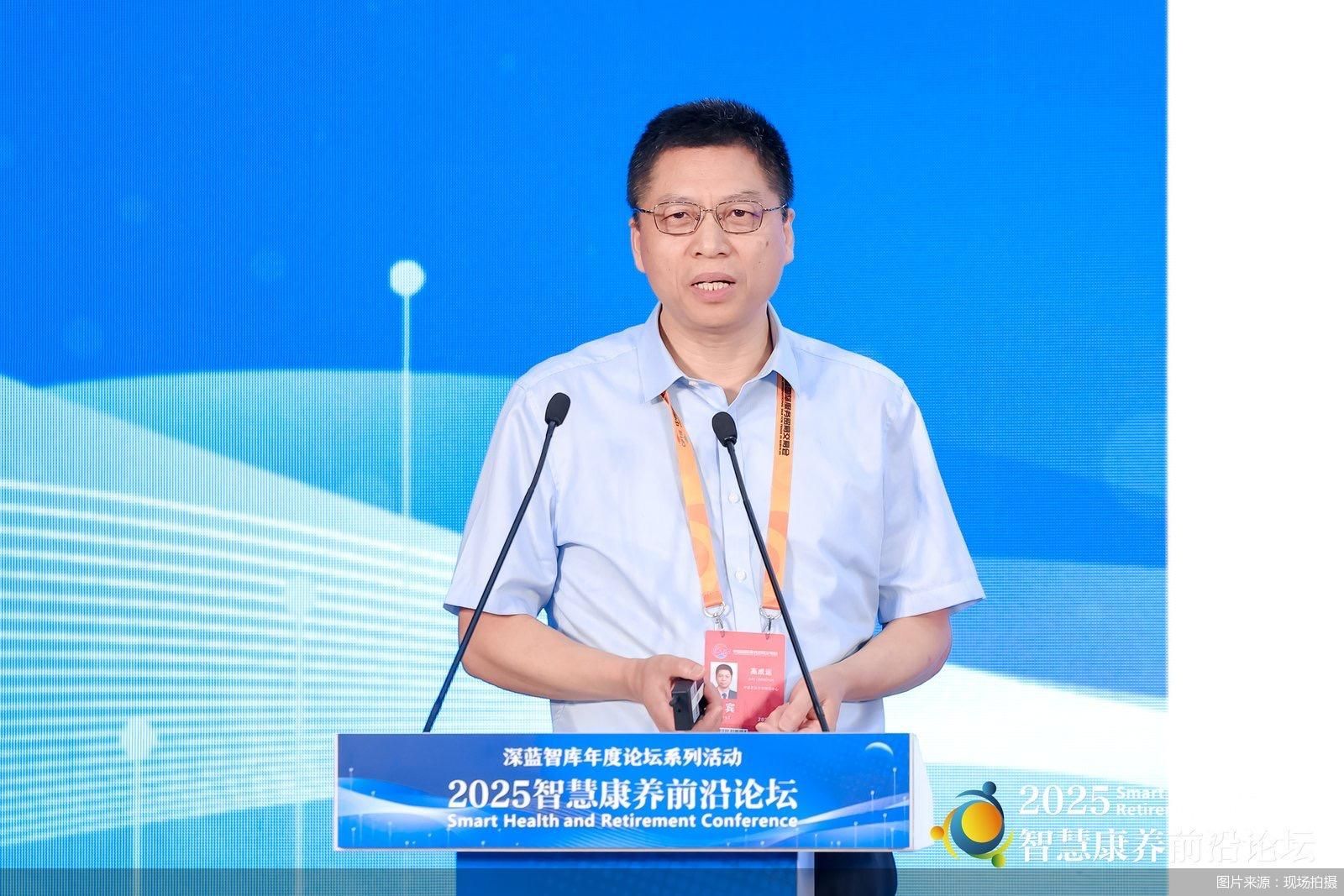
高成运:科技赋能融合型康养,六大趋势重塑银发经济新格局
Bei Jing Shang Bao· 2025-09-14 03:41
Core Insights - The forum focused on the theme of "New Patterns of Silver Economy and Comprehensive Health and Elderly Care Ecosystem," aiming to explore new paths, models, and mechanisms for the development of the health and elderly care industry in China [1] - The integration of technology and innovative systems is seen as crucial for promoting high-quality development in the elderly care industry [1] Industry Overview - The concept of the integrated elderly care industry is defined as a new industry form that centers on the comprehensive needs of the elderly, integrating resources from healthcare, elderly care, health management, culture, tourism, and finance through technological innovation [3] - This innovative model is transforming traditional elderly care services from fragmented offerings to a more platform-based, ecological, and one-stop service approach [3] Market Potential - The integrated elderly care industry is identified as a core consumption engine of the silver economy, meeting the rigid demands for health care and support services while also creating new consumption needs through integration with culture, tourism, and finance [3] - The industry acts as a powerful hub, driving upstream sectors like biomedicine and advanced manufacturing, while also fostering new professions such as health management specialists and elderly tourism planners [3] Technological Empowerment - New information technologies are constructing a "boundary-less" infrastructure for integrated elderly care, enabling a shift from "people seeking services" to "services seeking people" [4] - Innovations such as IoT, wearable devices, AI algorithms, and remote medical services are reshaping the delivery of elderly care services [4] Six Development Trends - The elderly care service is transitioning from labor-intensive to human-machine collaborative models, with AI and robots enhancing service efficiency and creating new high-quality employment opportunities [6] - The combination of age-friendly and intelligent renovations is creating new consumption scenarios, addressing safety, health management, and convenience for the elderly [6] - The emergence of elderly care robots is seen as a new infrastructure for the silver economy, with plans for pilot programs to promote their application in various settings by 2025 [6] - The rise of large integrated elderly care complexes signifies a new stage in industry development, offering comprehensive solutions for the elderly's medical, cultural, social, and residential needs [7] - Integrated technological innovations are entering an explosive growth phase, shifting the focus from reactive care to proactive intervention through advanced monitoring systems [7] - Technology platform companies are expected to dominate the new elderly care ecosystem, leveraging technology and data to create collaborative and win-win industry environments [8]