融资效率

Search documents
如何通过优化企业信用修复提升融资效率?
Sou Hu Cai Jing· 2026-02-02 10:17
Core Insights - The importance of corporate credit repair is increasingly recognized in modern business, as it directly impacts reputation, financing opportunities, and conditions [2][6] - Effective credit repair processes can enhance credit ratings, leading to improved trust with financial institutions and reduced financing costs [4][8] Group 1: Importance of Credit Repair - Corporate credit repair plays a crucial role in enhancing financing capabilities and costs, with lower credit ratings often resulting in higher loan interest rates [4][10] - Companies that actively engage in credit repair can achieve better financing conditions, as demonstrated by the example of a company that improved its credit record and reduced financing costs [4][6] Group 2: Strategies for Credit Repair - Companies should focus on optimizing credit repair processes by setting clear goals and steps, which can lead to improved credit status [2][8] - Utilizing professional tools and collaborating with credit assessment agencies can enhance interactions with financial institutions and build trust [4][5] Group 3: Effective Practices - Regular audits and transparent financial reporting are essential for improving credit transparency, making it easier for financial institutions to understand a company's operational status [4][5] - Establishing good relationships with suppliers and customers through timely payments and quality service can enhance credit evaluations [4][5] Group 4: Case Studies and Examples - A case study illustrates how a company collaborated with a credit repair agency to assess its credit status, leading to the identification and rectification of issues that negatively impacted its credit rating [7] - The successful implementation of credit repair strategies resulted in significant improvements in credit ratings and financing conditions for the company [7][8]


VIE与SPAC上市前景对决:2026年企业上市该如何选?
Sou Hu Cai Jing· 2025-12-16 10:24
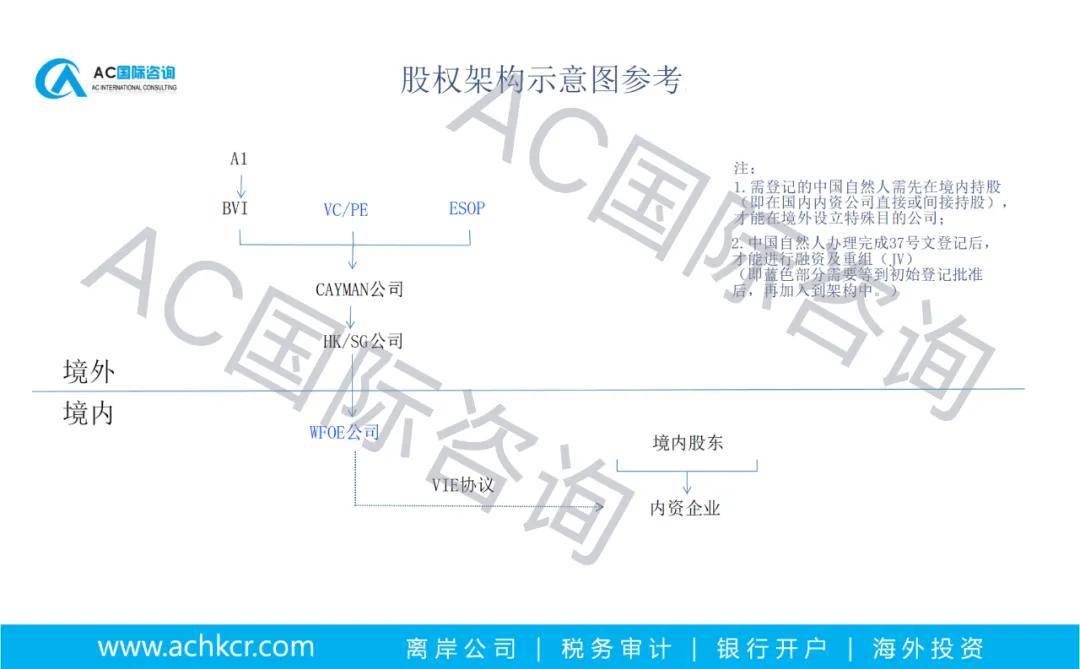
Core Viewpoint - The VIE structure and SPAC listings are two key pathways for Chinese companies to raise funds overseas, with a fundamental competition between compliance stability and financing efficiency [1][2]. Group 1: Differences Between VIE and SPAC - The VIE structure relies on "contractual control" to bypass foreign investment restrictions, making it the only method for sensitive industries like internet and education to raise funds abroad [3]. - SPAC listings are an advanced version of "backdoor listings," allowing companies to go public quickly through mergers with shell companies, with a process that can take 3 to 6 months compared to the traditional 12 to 18 months [4]. Group 2: Future Outlook and Analysis - The VIE structure is expected to strengthen by the end of 2025, as regulatory frameworks like the Data Security Law evolve, leading to a more compliant and structured approach for companies [6]. - SPACs are entering a phase of "tightened regulation and value return" after a decline in popularity in 2022, with increased disclosure requirements from the SEC and less favorable conditions for SPAC trials in Hong Kong and Singapore [10]. Group 3: Decision-Making Guidelines for 2025 - Companies in foreign-restricted sectors (e.g., internet, AI) should prioritize the VIE structure and focus on compliance and optimization of their frameworks [13]. - For high-growth industries not subject to restrictions (e.g., renewable energy, biomedicine) with urgent financing needs, SPACs can be considered, but market conditions must be carefully evaluated [13]. - Long-term strategic alignment is crucial; VIE structures are suitable for companies aiming for global branding and sustained financing, while SPACs are better for those with short-term financing needs or plans for business restructuring [15].
回盛生物低价向实际控制人增发:无具体投资项目 融资必要性成疑
Xin Lang Zheng Quan· 2025-07-10 10:27
Core Viewpoint - The recent private placement application by Huisheng Biological has been accepted by the Shenzhen Stock Exchange, but it faces significant criticism regarding the low issuance price and lack of specific investment projects, raising concerns about the interests of minority shareholders [1][2][3]. Company Summary - Huisheng Biological, a veterinary drug company, has been experiencing declining net profits since its IPO in 2020, with net profit dropping from 150 million yuan to a loss of 20.16 million yuan [6]. - The company's revenue has been increasing, but the net profit has been negatively impacted by the cyclical nature of the livestock industry and poor performance of previous investment projects [6][7]. - The company’s gross margin has decreased from 37% to 16.33%, and net margin has fallen from 19.31% to -1.65% due to various factors including declining product prices and rising costs [6]. Financing Details - The private placement will issue shares at a price of 9.19 yuan, significantly lower than the current market price of 20.68 yuan, which is only 44% of the market price [2][3]. - The maximum number of shares to be issued is 26,123,301, which could increase the controlling shareholders' stake to 47.92% [2][3]. - The total amount raised from this financing could reach 250 million yuan, but it is intended solely for replenishing working capital, raising questions about the necessity of the financing [3][4]. Investment Project Performance - Previous investment projects have largely failed to meet expected returns, with three out of five projects from the 2020 IPO not achieving their projected benefits [3][4]. - The company has faced challenges with its production capacity utilization and pricing, particularly in the case of the new products launched [4][6]. Industry Context - The veterinary drug industry is highly cyclical, with demand closely tied to the profitability of livestock farming [7]. - In the first quarter of 2024, Huisheng Biological reported a revenue increase of 92.96% and a net profit increase of 371.23%, attributed to improved cash flow in the livestock sector [7]. - However, the recent decline in pig prices raises uncertainty about whether the industry has truly recovered from its low point [7].