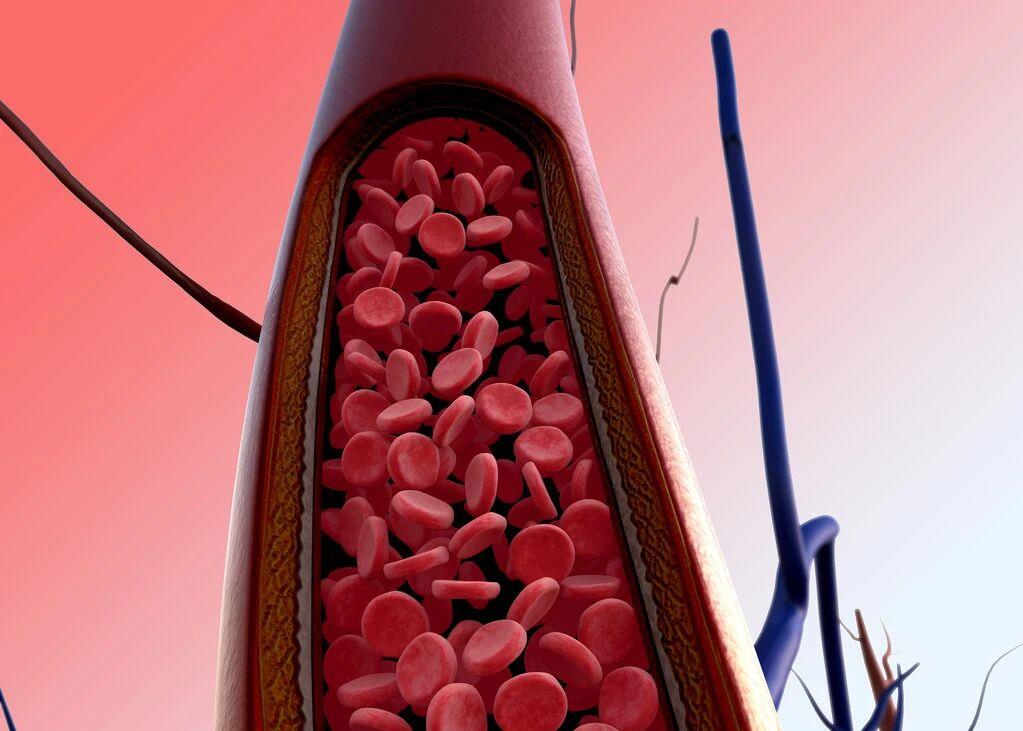
血液流变学

Search documents
如何洞察生命“内流场”? 陕西一高校团队精准量化血液流变
Xin Lang Cai Jing· 2026-02-16 01:30
Core Viewpoint - The research conducted by the team at Northwestern Polytechnical University aims to establish a unified computational physics evaluation system for blood rheology, addressing the complexities of non-Newtonian fluid behavior in blood flow simulations, which is crucial for cardiovascular disease diagnosis and thrombus risk prediction [3][6]. Group 1: Non-Newtonian Fluid Characteristics - Non-Newtonian fluids exhibit different behaviors under varying forces; for instance, they can behave like solids under high shear rates and like liquids under low shear rates, a phenomenon known as "shear thickening" [1]. - Blood, as a non-Newtonian fluid, demonstrates "shear thinning" behavior, where its viscosity decreases with increased flow rate, facilitating smooth circulation in blood vessels [1]. Group 2: Research Contributions - The study systematically reviews 140 core research findings since 1919 to create a comprehensive evaluation system that includes characteristics such as shear thinning, viscoelasticity, and yield stress, providing a reference for researchers in selecting computational models [3][6]. - The research identifies a scientific boundary for the non-Newtonian characteristics of blood, indicating that above a certain threshold, blood behaves like a Newtonian fluid, while below it, particularly in areas like aneurysms or narrowed vessels, it exhibits significant non-Newtonian properties [6]. Group 3: Computational Methods - The research evaluates different computational approaches for simulating blood flow, including the bidirectional fluid-structure interaction (FSI) methods and the arbitrary Lagrangian-Eulerian (ALE) method, highlighting the challenges of mesh reconfiguration in large deformation scenarios [7]. - To overcome computational limitations, the study introduces the Smoothed Particle Hydrodynamics (SPH) method, which avoids mesh distortion and enhances flexibility in handling large deformations, thus improving the accuracy of multi-phase physical interface tracking [7]. Group 4: Implications for Medical Applications - The findings provide a theoretical foundation for constructing high-precision patient-specific models, which can significantly advance precision medicine by enabling more accurate simulations of blood flow and vessel behavior in clinical settings [7].

一个血液黏稠的人 身体会发出5个信号
Yang Shi Xin Wen· 2025-11-18 02:47
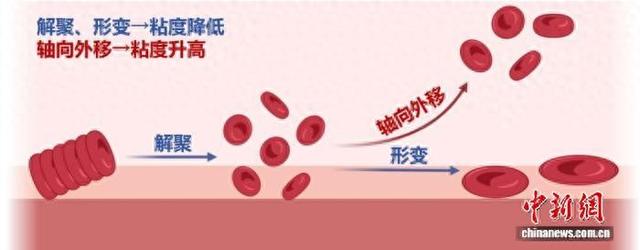
Core Points - The article discusses the issue of blood viscosity, its causes, symptoms, and preventive measures against high blood viscosity, which can lead to serious health problems like heart attacks and strokes [3][8]. Group 1: Understanding Blood Viscosity - Blood viscosity refers to the "thickness" and "flowability" of blood, which increases due to a higher concentration of formed elements, leading to increased blood flow resistance and slower blood flow [3][5]. - Factors contributing to increased blood viscosity include the deformation and aggregation of red blood cells, increased platelet count, elevated levels of certain proteins in plasma, high blood lipids (especially cholesterol and triglycerides), and dehydration [5][7]. Group 2: Health Risks Associated with High Blood Viscosity - Increased blood viscosity primarily affects capillaries, obstructing oxygen and nutrient delivery, which can lead to ischemia and hypoxia in tissues [7]. - High viscosity can exacerbate friction against blood vessel walls, accelerating aging and damage to the vascular endothelium, potentially leading to atherosclerosis and thrombosis [7][8]. Group 3: Symptoms Indicating High Blood Viscosity - Five key symptoms that may indicate high blood viscosity include: 1. Dizziness upon waking, due to reduced blood flow and oxygen to the brain [10][11]. 2. Increased drowsiness after meals, particularly in individuals with vascular issues [13]. 3. Chest tightness when squatting, often seen in obese individuals [13]. 4. Cyanosis of lips after mild exertion, indicating potential hypoxia [13]. 5. Intermittent blurred vision, resulting from reduced blood flow to the retina [13][14]. Group 4: Preventive Measures - To prevent or reduce blood viscosity, the following measures are recommended: 1. Stay hydrated by drinking approximately 200 milliliters of warm water at key times throughout the day [16][17]. 2. Avoid smoking and excessive alcohol consumption, as these can damage blood vessels and increase blood viscosity [19]. 3. Maintain a balanced diet, reducing intake of cholesterol-rich foods and sugars while increasing vegetables, fruits, and whole grains [20]. 4. Engage in regular physical activity to promote circulation and manage weight [21]. 5. Manage stress and ensure adequate sleep to prevent emotional factors from contributing to high blood viscosity [22].