
要素驱动

Search documents
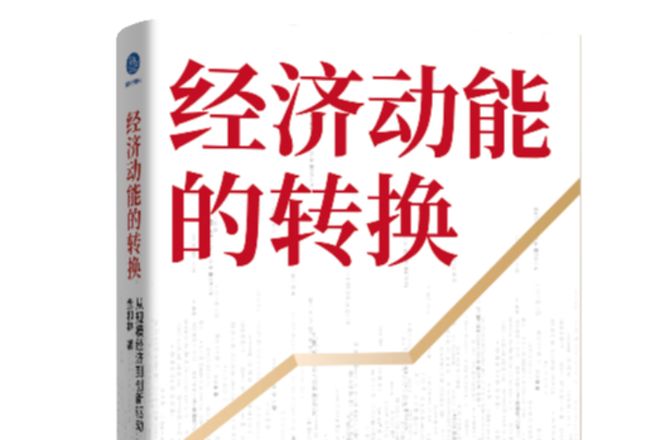
书评|跨越焦虑走向未来:高质量发展的底层逻辑
Nan Fang Du Shi Bao· 2026-01-27 09:37
Core Insights - The article discusses the complex emotions surrounding the recovery of the Chinese economy in 2026, highlighting a shift from rapid growth to concerns about sustainable development [2] - It emphasizes the need for a transition from traditional growth models based on scale and resource exploitation to innovation-driven growth [6][7] Historical Context - The first part of the referenced book reviews over 40 years of China's economic success, attributing it largely to scale economies and resource-driven growth [3] - The author notes that the previous growth model relied on mobilizing production factors and land resources, which has now reached its limits due to diminishing returns [4] Current Challenges - The book identifies six major challenges facing the Chinese economy today, including the need for redistribution, anti-involution, new urbanization, financial globalization, global leadership, and innovation-driven development [6] - It points out that the slowdown in urbanization and the diminishing role of real estate as an economic driver are significant issues [5] Future Directions - The transition from factor-driven to efficiency-driven growth is emphasized, with a focus on improving the quality of development rather than merely increasing wealth [6] - The importance of innovation is highlighted, with a call for breakthroughs in productivity and the emergence of original growth paths, as exemplified by the rise of domestic AI models like DeepSeek [6][7] Institutional Environment - The author stresses that innovation must be nurtured within a supportive institutional framework that encourages risk-taking and protects property rights [7] - A shift in government roles is necessary, moving from direct economic involvement to ensuring a fair competitive environment [7] Economic Resilience - Despite current challenges such as debt pressure and external restrictions, the article conveys confidence in the resilience of the Chinese economy [8] - The transition to a new economic phase will require a focus on technological advancement and institutional optimization, marking a departure from past reliance on land and credit [8]

中信建投:未来五年 制造业发展的核心逻辑将从“保总量”向“优结构”跃迁
Di Yi Cai Jing· 2026-01-08 23:57
Core Viewpoint - The "14th Five-Year Plan" period is a critical window for China to overcome the middle-income trap and respond to the global restructuring of industrial chains [1] Group 1: Manufacturing Sector Insights - The proportion of manufacturing value added to GDP has decreased to 24.87%, yet it remains within a reasonable range according to international standards [1] - Maintaining a reasonable share of manufacturing is essential for economic security and serves as a core vehicle for cultivating new productive forces [1] Group 2: Future Development Logic - The core logic of manufacturing development will shift from "maintaining total volume" to "optimizing structure" over the next five years [1] - In terms of total volume, the goal is to maintain a bottom line in the range of 20%-25%, drawing on experiences from Germany and Japan [1] - Structurally, the focus will be on enhancing total factor productivity (TFP) through "entry and exit" in industries, promoting an increase in the share of high-tech manufacturing, and achieving a fundamental shift from factor-driven to innovation-driven growth [1]
