解构制造(Unboxed)

Search documents
特斯拉新车来了,网约车司机饭碗难保
汽车商业评论· 2026-02-20 23:06
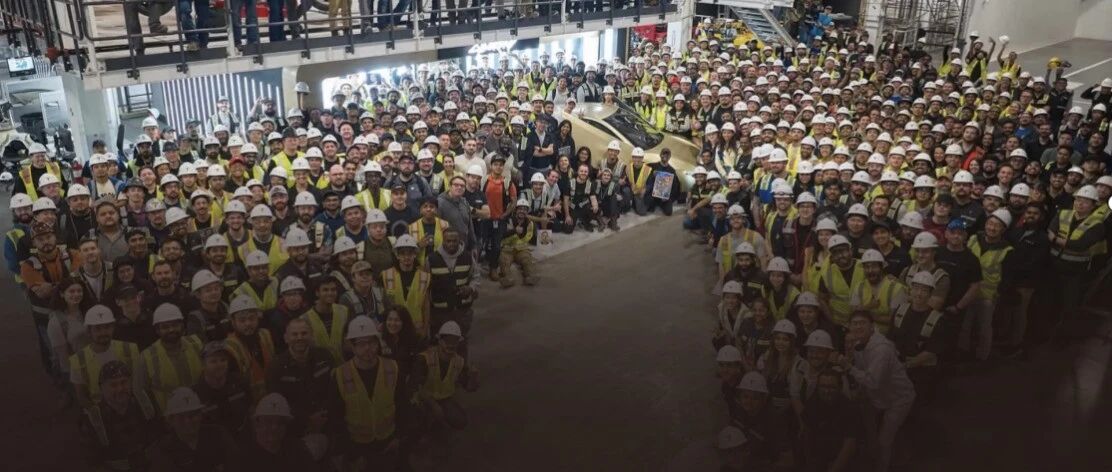
Core Viewpoint - The article discusses the launch and implications of Tesla's Cybercab, a fully autonomous vehicle designed for ride-hailing, which could revolutionize the transportation industry by significantly reducing operational costs and changing the dynamics of vehicle ownership and usage [6][11][24]. Group 1: Cybercab Overview - Cybercab is a two-seater vehicle without a steering wheel or pedals, relying entirely on Tesla's Full Self-Driving (FSD) system, with a 35kWh battery providing approximately 320 kilometers of range under CLTC conditions [6][9]. - The vehicle is set to be mass-produced at Tesla's Texas Gigafactory, with a target annual production capacity of around 2 million units, potentially surpassing the production of other Tesla models [9][11]. - The manufacturing process utilizes a new "Unboxed" assembly technique, allowing for faster assembly times of 5-10 seconds per unit, significantly shorter than the Model Y's 34-35 seconds [13][16]. Group 2: Cost and Efficiency - The expected price range for Cybercab is between $25,000 and $30,000, with a focus on reducing production costs through fewer components—approximately half the parts of the Model 3 and 60% fewer structural components than the Model Y [18][16]. - The operational cost for Cybercab is projected to be $0.20 per mile, significantly lower than traditional ride-hailing services, which could lead to a shift in urban transportation dynamics [24][41]. Group 3: Regulatory Challenges - Despite technological advancements, regulatory hurdles remain significant, with current U.S. laws limiting the number of autonomous vehicles without steering wheels to 2,500 per manufacturer annually [26]. - Ongoing discussions in Congress aim to increase this limit, but face opposition, which could impact the speed of Cybercab's market entry and expansion [28][42]. Group 4: Market Potential - Goldman Sachs predicts that the Robotaxi market will accelerate commercialization by 2026, with U.S. revenues reaching $95 billion by 2030, and a global market potential exceeding $500 billion [41][42]. - The shift from personal vehicle ownership to using transportation services is seen as a transformative trend, with Cybercab positioned to capitalize on this change by leveraging Tesla's existing fleet for ride-hailing services [43].