论文造假

Search documents
发13万篇论文赚8000万,灰产生意何以越做越大
Xin Jing Bao· 2025-10-14 09:51
Core Insights - The article highlights the alarming scale of the paper ghostwriting industry, with one company reportedly producing 130,000 papers in a year, generating an income of 80 million yuan [1][2] - The rise of AI technology has lowered the barriers to academic fraud, while illegal collaborations between intermediaries and journals have created shortcuts for publishing, turning academic evaluation into a tradable commodity [2][3] Group 1: Industry Overview - The ghostwriting industry has established a complete chain from writing, data fabrication, to publication, with a significant number of papers being churned out in a factory-like manner [1] - The demand for paper ghostwriting is driven by a "publish or perish" mentality in academia, where the quantity of publications is often prioritized over quality [2][3] Group 2: Legal and Regulatory Responses - There is a growing trend of legal actions against academic fraud, with compensation amounts in some cases exceeding one million yuan, indicating a need for further extension of judicial deterrence to the upstream of the industry [3] - A call for a multi-departmental enforcement mechanism to investigate journals that engage in illegal collaborations with intermediaries has been made, with severe penalties proposed for those found guilty [3] Group 3: Recommendations for Reform - To effectively combat the ghostwriting industry, a combination of legal, regulatory, and systemic reforms is necessary, including the introduction of diverse evaluation metrics in academic assessments to reduce the demand for fraudulent publications [3] - Emphasizing academic integrity is crucial for fostering genuine innovation in research, as the current practices not only occupy valuable journal space but also undermine public trust in the academic system [3]
MIT博士爆火论文造假,学校官宣撤稿!被骗诺奖导师亲手举报,愤而割席
猿大侠· 2025-05-18 04:00
Core Viewpoint - A recent paper by an MIT PhD student, which claimed significant productivity improvements in scientific research through AI, is likely to be fraudulent and has been requested for retraction by MIT [2][10][11]. Group 1: Paper Overview - The paper, published last year, showcased how AI tools enhanced productivity in a large materials science laboratory, claiming a 44% increase in new materials discovered and a 39% rise in patent applications [3][31]. - The research received widespread acclaim and was considered one of the best papers on AI's impact on scientific discovery [5][31]. - The student had submitted the paper to a top economics journal and received a request for revisions, indicating potential publication [9]. Group 2: Retraction and Investigation - Following growing skepticism about the paper's data integrity, the student's advisors, Nobel laureates Daron Acemoglu and David Autor, publicly requested its retraction [10][26]. - MIT's Economics department announced an internal review, concluding that the paper must be retracted due to concerns over data authenticity [17][22]. - The student has since left MIT and is no longer affiliated with the institution [21]. Group 3: Data Integrity Concerns - Initial doubts about the paper arose shortly after its publication, with experts questioning the feasibility of the data collection methods described [22][41]. - Critics highlighted that the paper's claims seemed implausible, particularly regarding the access a second-year PhD student would have to sensitive data from a large corporation [44][68]. - The paper's methodology and results were criticized for lacking rigor and for presenting overly perfect outcomes that raised red flags about data authenticity [73][96]. Group 4: Academic and Industry Reactions - The academic community has reacted with skepticism, with some experts suggesting that the paper's findings were too good to be true and indicative of potential data fabrication [39][70]. - The incident has sparked discussions about the reliability of research in the AI and materials science fields, emphasizing the need for rigorous validation of data sources [88][92].


男性的子宫,在医学论文里长出来了
Hu Xiu· 2025-05-08 08:04
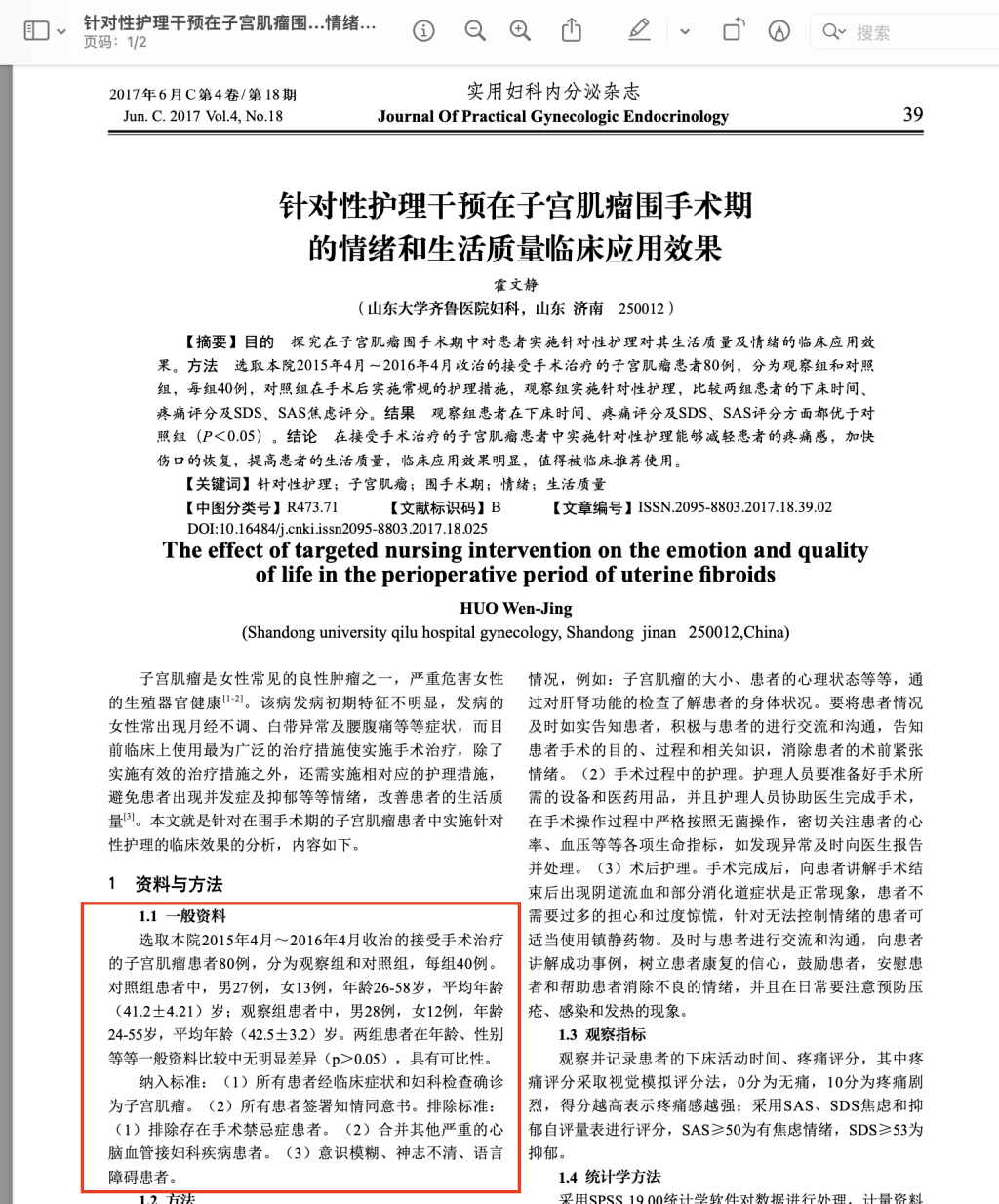
Core Viewpoint - The recent controversies in the medical field, particularly regarding academic integrity and the prevalence of male patients in gynecological studies, highlight systemic issues in research practices and publication standards [1][5][13]. Group 1: Academic Integrity Issues - A paper titled "Clinical Application Effects of Targeted Nursing Interventions on Emotional and Quality of Life in Patients with Uterine Fibroids" mistakenly included male patients, raising questions about the validity of research in gynecology [2][3]. - The journal that published the controversial paper acknowledged flaws in its review process, leading to the dismissal of involved editors and the implementation of corrective measures [4]. - The frequent occurrence of such basic errors in published papers suggests deeper problems within the academic publication chain, indicating a potential crisis in research quality [5][10]. Group 2: Publication Pressures - The pressure to publish is exacerbated by rigid evaluation systems in hospitals, where medical professionals must publish in designated journals to advance their careers, often leading to compromised research integrity [15][16][17]. - The increasing demand for published papers has resulted in a shortage of available publication slots, causing delays and forcing researchers to seek alternative, sometimes unethical, publication routes [18][19]. - The rise of "paper factories" and underground publication intermediaries is a direct consequence of the high demand for academic publications, further complicating the integrity of research [21][24]. Group 3: Proposed Solutions - Calls for legislative action to criminalize academic misconduct and to dismantle the "black and gray" market of academic publishing have been made, emphasizing the need for a more robust framework to ensure research integrity [27][28]. - Suggestions include establishing a diversified evaluation system for research that moves away from the singular focus on publication quantity, thereby reducing the incentives for academic fraud [29].