诉苦叙事

Search documents
2025: 华语女性电影的试错之年
3 6 Ke· 2026-01-05 08:25
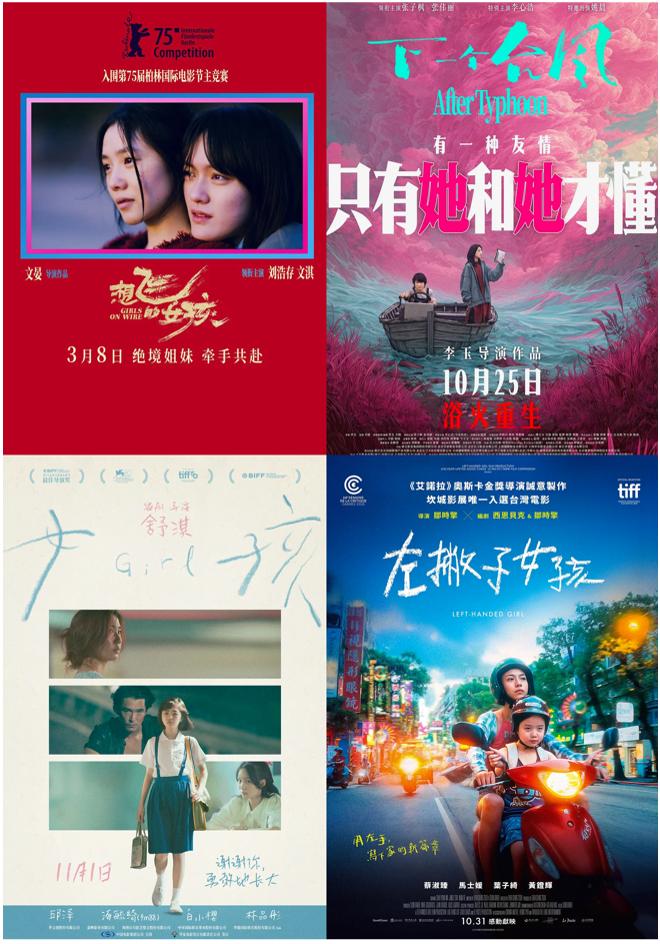
Core Insights - The 2025 Chinese film market is characterized by a significant focus on "female stories," which have garnered attention but faced challenges in commercial success and critical reception [1][3][6] - The emergence of female-directed films has not translated into box office success, with many films receiving mixed reviews despite addressing important social issues [3][6][11] Group 1: Film Trends and Themes - The year 2025 saw a concentration of female-themed films, yet they failed to replicate the artistic and commercial breakthroughs of previous years [6][20] - Films like "想飞的女孩" (Girl Who Wants to Fly) and "下一个台风" (The Next Typhoon) tackle sensitive issues such as domestic violence and sexual trauma but often compress complex narratives into limited timeframes, leading to a lack of character depth [4][8][12] - A notable trend is the emergence of a "female suffering" narrative paradigm, where stories focus on oppression and trauma, often at the expense of exploring broader female experiences [12][13] Group 2: Audience Reception and Expectations - There is a growing fatigue among female audiences regarding repetitive "suffering narratives," leading to a demand for fresher, more diverse female stories that reflect contemporary experiences [13][15] - The expectations of middle-class female viewers are shaping the definition of what constitutes "relevant" female narratives, often sidelining the ongoing struggles of women from lower socioeconomic backgrounds [15][17] Group 3: Industry Challenges and Gender Dynamics - The film industry is experiencing a "glass cliff" phenomenon, where female creators are often placed in high-risk positions during crises, leading to higher failure rates and harsher scrutiny [27][29] - Despite an increase in female ticket buyers, the representation of female directors and creators in the industry remains disproportionately low, highlighting a disconnect between audience demand and industry support [36][39] - The current industrial structure often limits the creative freedom of female filmmakers, forcing them to navigate between the demands for "correct" narratives and the need for commercial viability [20][21][40]