玻璃悬崖

Search documents
2025: 华语女性电影的试错之年
3 6 Ke· 2026-01-05 08:25
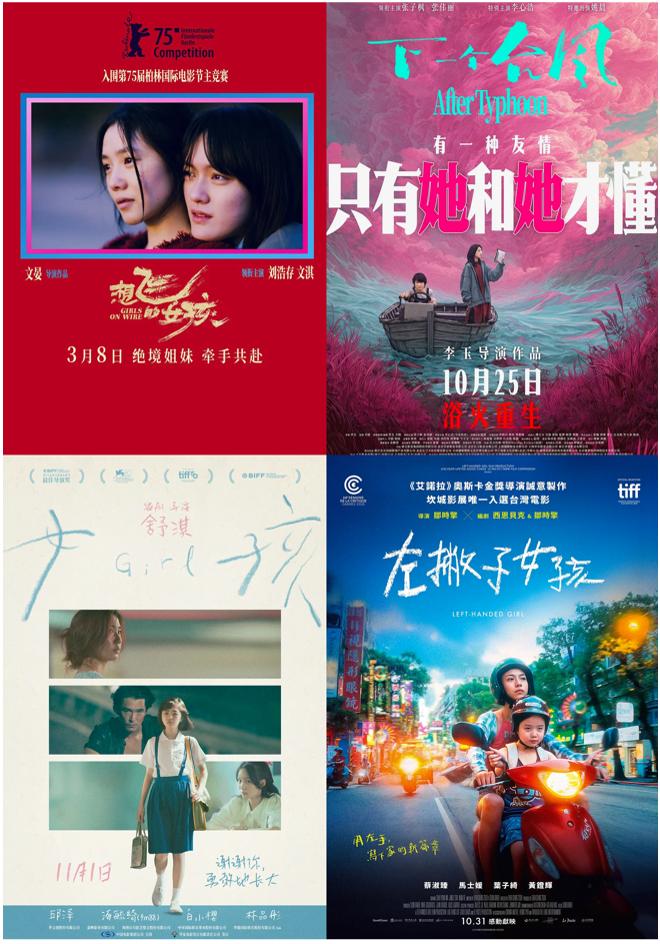
Core Insights - The 2025 Chinese film market is characterized by a significant focus on "female stories," which have garnered attention but faced challenges in commercial success and critical reception [1][3][6] - The emergence of female-directed films has not translated into box office success, with many films receiving mixed reviews despite addressing important social issues [3][6][11] Group 1: Film Trends and Themes - The year 2025 saw a concentration of female-themed films, yet they failed to replicate the artistic and commercial breakthroughs of previous years [6][20] - Films like "想飞的女孩" (Girl Who Wants to Fly) and "下一个台风" (The Next Typhoon) tackle sensitive issues such as domestic violence and sexual trauma but often compress complex narratives into limited timeframes, leading to a lack of character depth [4][8][12] - A notable trend is the emergence of a "female suffering" narrative paradigm, where stories focus on oppression and trauma, often at the expense of exploring broader female experiences [12][13] Group 2: Audience Reception and Expectations - There is a growing fatigue among female audiences regarding repetitive "suffering narratives," leading to a demand for fresher, more diverse female stories that reflect contemporary experiences [13][15] - The expectations of middle-class female viewers are shaping the definition of what constitutes "relevant" female narratives, often sidelining the ongoing struggles of women from lower socioeconomic backgrounds [15][17] Group 3: Industry Challenges and Gender Dynamics - The film industry is experiencing a "glass cliff" phenomenon, where female creators are often placed in high-risk positions during crises, leading to higher failure rates and harsher scrutiny [27][29] - Despite an increase in female ticket buyers, the representation of female directors and creators in the industry remains disproportionately low, highlighting a disconnect between audience demand and industry support [36][39] - The current industrial structure often limits the creative freedom of female filmmakers, forcing them to navigate between the demands for "correct" narratives and the need for commercial viability [20][21][40]

女掌门,撑起中国餐饮半壁江山?
3 6 Ke· 2025-12-25 12:11
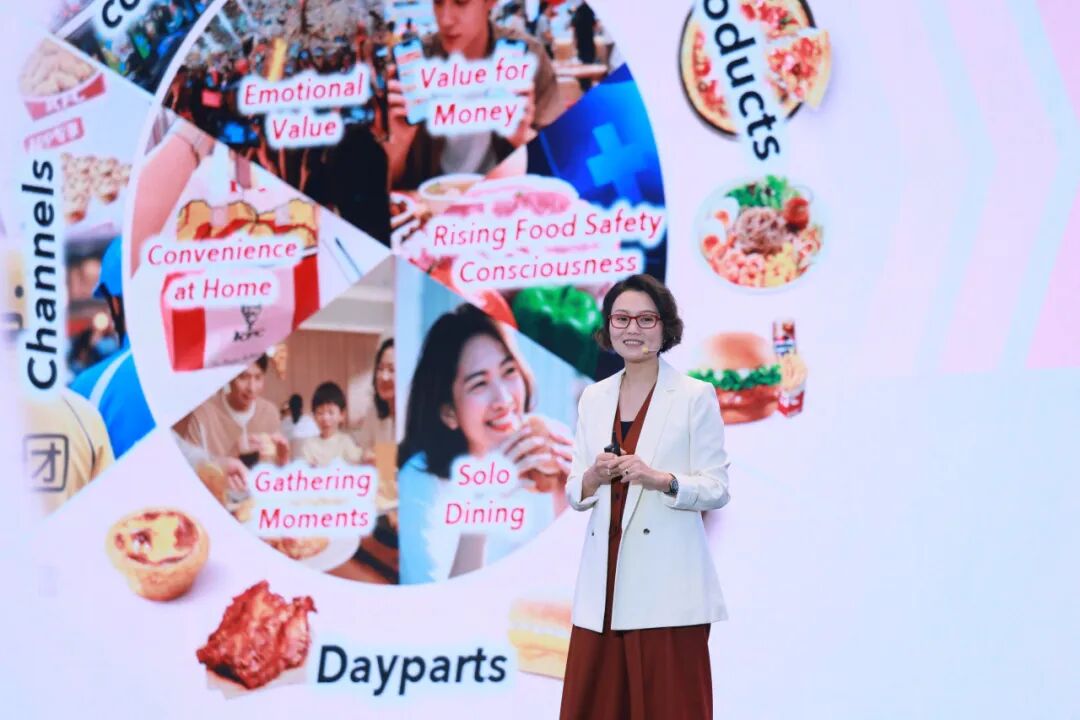
Core Insights - The article highlights the significant role of female leaders in the Chinese restaurant industry, showcasing their ability to navigate challenges and drive growth in major brands like KFC, Haidilao, Starbucks, and McDonald's [1][2][3] Group 1: Female Leadership in Crisis - The concept of "glass cliff" suggests that women are often appointed to leadership roles during crises, as seen with KFC's CEO, Su Cuirong, who took charge during a challenging period for the brand [3][4] - Su Cuirong implemented strategies to rejuvenate KFC, including brand modernization and the introduction of new products, which led to a significant revenue increase, with KFC China generating nearly $5 billion in revenue in 2015 [5][8] - Haidilao's former CEO, Yang Lijuan, also faced challenges during the pandemic, successfully turning the company around to achieve a net profit of 4.5 billion yuan in 2023, a 227.33% increase year-on-year [8][10] Group 2: Strategic Expansion and Digital Transformation - Starbucks China saw transformative growth under former CEO Wang Jingying, who accelerated store openings from 400 in over a decade to 204 in one year, establishing Starbucks as a leading coffee brand in China [10][11] - Current CEO Liu Wenjuan has continued this trend by implementing price reductions and expanding into lower-tier cities, resulting in positive same-store sales growth [14][19] - KFC's digital transformation under Su Cuirong has been pivotal, with digital orders contributing approximately 95% of restaurant revenue by 2025, showcasing the importance of digital strategy in the modern market [20][22] Group 3: Localization and Consumer Insights - KFC's approach to localization includes adapting its menu to Chinese tastes, offering items like dumplings and chicken rice, which resonate with local consumers [23][24] - McDonald's CEO Zhang Jiayin emphasizes the importance of understanding local markets, leading to product innovations that cater to regional preferences, such as spicy chicken wings and collaborations with popular franchises [27][28] - The article underscores the unique insights female leaders bring to the industry, enhancing customer experience and operational efficiency through empathy and attention to detail [34][35]




为什么大企业的女性CEO越来越多?
3 6 Ke· 2025-12-02 08:19
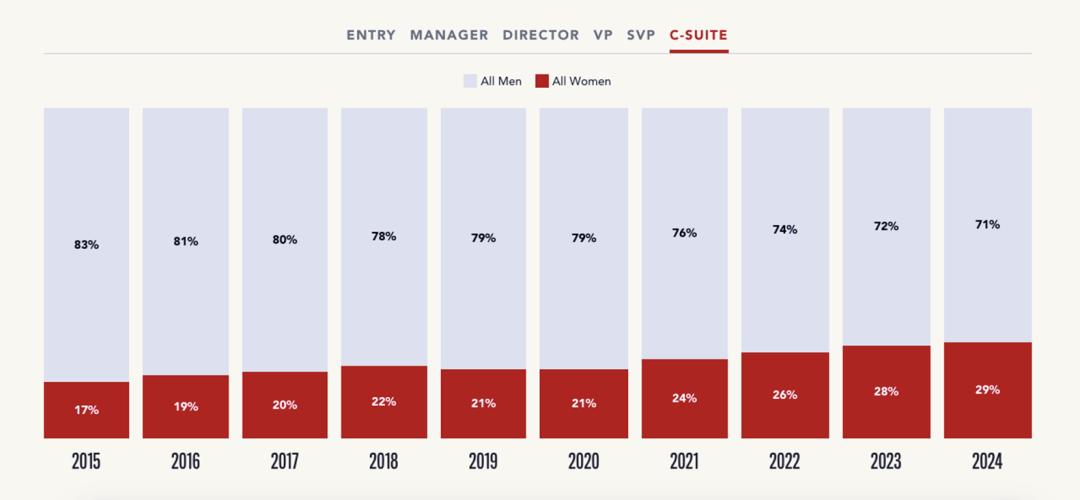
Core Insights - The rise of female leaders in high-level decision-making roles is increasingly evident, particularly in the retail and technology sectors, as companies face challenges and uncertainties [1][2][4] - The concept of the "glass cliff" highlights that women are often appointed to leadership positions during crises, which can lead to higher risks of failure compared to their male counterparts [2][4][10] Group 1: Female Leadership in Crisis - Since 2020, several foreign retail companies have appointed women as CEOs during critical periods, indicating a trend towards female leadership in challenging times [1][4] - Research shows that women are more likely to be appointed to board positions when companies are underperforming, contrasting with male appointments during successful periods [5][6] Group 2: Gender Stereotypes and Leadership - The "think manager-think male" phenomenon suggests that traditional views of leadership are male-dominated, creating barriers for women in management roles [7][8] - In crisis situations, companies tend to prefer female leaders due to perceived traits such as empathy and intuition, which are seen as beneficial during difficult times [10][11] Group 3: Organizational Culture and Gender Equality - Legislative measures, such as California's SB 826, aim to increase female representation on corporate boards, reflecting a shift towards gender equality in leadership [12][14] - The need for a more "feminine" leadership style is emphasized, advocating for a supportive and nurturing work environment that values diverse leadership approaches [16][18] Group 4: Future of Female Leadership - Despite progress, the representation of women in executive roles remains low, with significant disparities in advancement opportunities for women of color [14][16] - A collaborative effort between men and women is essential to create equitable conditions for leadership opportunities and to dismantle the "glass cliff" phenomenon [19][20]
这个厮杀激烈的行业,迎来越来越多的女性CEO
吴晓波频道· 2025-11-24 00:20
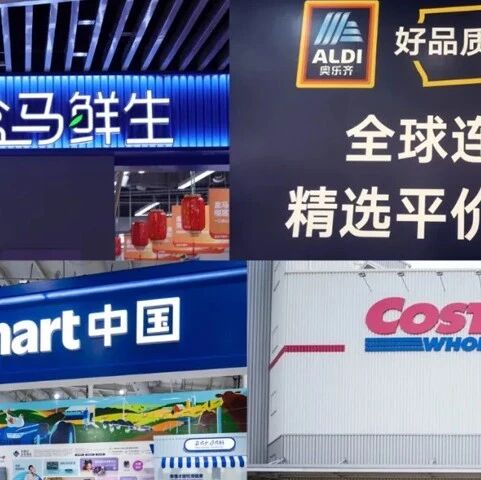
Core Viewpoint - The rise of female CEOs in China's retail industry signifies a shift in leadership dynamics, with women increasingly taking on top roles in both multinational and local companies, reflecting new strategies to navigate the challenges of the retail landscape [3][9]. Group 1: Female Leadership in Retail - More women are assuming leadership positions in China's retail sector, marking a significant change from a historically male-dominated landscape [3][9]. - Notable examples include Zhu Xiaojing at Walmart China, Huang Yamei at Ito-Yokado, and Xu Min at Procter & Gamble, all of whom have taken on key roles in recent years [10][11][12]. - The trend indicates a broader acceptance and recognition of female leadership capabilities within the industry [9][10]. Group 2: Career Paths of Female CEOs - Female CEOs in retail often come from diverse backgrounds, with three main pathways to leadership: cross-industry experience, internal promotions, and financial expertise [24][30]. - Zhu Xiaojing, for instance, has a background in consulting and has held various roles in multinational companies before leading Walmart China [25]. - Xu Min's journey at Procter & Gamble showcases a long-term commitment to the company, rising through the ranks from a management trainee [26]. Group 3: Advantages of Female CEOs - Research suggests that female CEOs tend to adopt conservative financial strategies, such as lowering leverage and reducing aggressive mergers and acquisitions, which can enhance company survival rates during economic uncertainty [36]. - Zhu Xiaojing emphasizes the importance of intuition, collaboration, and resilience as key traits for effective leadership in the current retail environment [37]. - The concept of the "glass cliff" suggests that women are often appointed to leadership roles during crises, which can present both challenges and opportunities for demonstrating their capabilities [38]. Group 4: Challenges Faced by Female CEOs - Female leaders like Ni Wenling at Watsons and Yan Xiaolei at Hema are stepping into roles during challenging times, with their companies facing declining revenues and market pressures [38][41]. - Zhu Xiaojing has navigated significant challenges at Walmart, including a reduction in the number of traditional stores while expanding e-commerce and membership models [43]. - Chen Jia at Aldi faces the challenge of implementing a low-price strategy in a highly competitive market, where price wars are common [46].


四大女掌门,承包中产吃喝
投资界· 2025-11-16 07:30
Core Viewpoint - The retail industry in China is witnessing a significant rise in female leadership, with several major companies appointing Chinese women as CEOs, reflecting a shift in management dynamics in a competitive market [5][10]. Group 1: Female Leadership in Retail - The retail sector has seen an unprecedented number of female CEOs, including Chen Jia at Aldi, Zhu Xiaojing at Walmart China, and Yan Xiaolei at Hema, all of whom are native Chinese women [5][6]. - Chen Jia's leadership at Aldi has led to a strategic shift towards low-price products, enhancing the brand's visibility and expanding its store count in Shanghai and Jiangsu [7][8]. - Zhu Xiaojing, the first Chinese CEO of Walmart China, faces challenges as the company adapts to changing consumer preferences and competition from other retailers like Costco [9][10]. Group 2: Strategic Changes and Market Dynamics - Aldi's approach under Chen Jia focuses on value products and efficient supply chain management, which has resulted in a rapid expansion of its store network [7][20]. - Hema, under Yan Xiaolei, aims for a GMV target of 100 billion yuan within three years, showcasing a shift towards profitability and operational efficiency [10][11]. - The competition among these female-led companies is intensifying, particularly in economically vibrant regions like Jiangsu and Zhejiang, where they are vying for market share [19][21]. Group 3: Challenges and Opportunities - The retail landscape is characterized by a consumer shift towards value and experience, prompting companies to adapt their strategies accordingly [11][24]. - The concept of "glass cliff" suggests that women are often appointed to leadership roles during challenging times, which may lead to higher scrutiny and expectations [13][14]. - Despite the challenges, these female leaders are leveraging their understanding of the Chinese market to drive innovation and operational changes, positioning their companies for future growth [25][27].

四大女掌门,拿捏中产的“吃喝”
创业邦· 2025-11-04 10:39
Core Viewpoint - The retail industry in China is witnessing a significant rise in female leadership, with several major companies now led by Chinese women, indicating a shift in management dynamics and strategies in a highly competitive market [6][15][42]. Group 1: Female Leadership in Retail - The article highlights the emergence of female CEOs in major retail companies in China, including Chen Jia at Aldi, Zhu Xiaojing at Walmart China, Zhang Shuyun at Costco, and Yan Xiaolei at Hema [6][15]. - Chen Jia's leadership at Aldi has shifted the company's strategy back to its low-price roots, resulting in increased brand recognition and expansion in Shanghai and Jiangsu [9][11]. - Zhu Xiaojing, the first Chinese CEO of Walmart China, faces challenges as the company adapts to changing consumer preferences and competition from other retailers [12][19]. Group 2: Competitive Strategies - Aldi's new strategy under Chen Jia focuses on offering value products and simplifying pricing structures, which has resonated well with Chinese consumers [9][24]. - Hema, under Yan Xiaolei, aims to achieve a GMV target of 100 billion yuan within three years, reflecting a shift towards efficiency and profitability [14][42]. - The competition between Aldi and Hema is intensifying, particularly in the Jiangsu region, where both companies are rapidly expanding their store presence [29][30]. Group 3: Market Dynamics - The retail landscape is characterized by a shift towards low-cost and efficient operations, with companies like Aldi and Hema adopting similar strategies to attract price-sensitive consumers [30][35]. - The article notes that the current economic climate presents both challenges and opportunities for these female leaders, as they navigate a market with changing consumer expectations [15][24]. - The competition in the Jiangsu region is particularly fierce, with Aldi and Hema both targeting similar demographics and employing comparable operational strategies [30][36]. Group 4: Consumer Behavior and Preferences - The article discusses how consumer preferences have evolved, with a growing demand for value and efficiency in shopping experiences, prompting retailers to adapt their strategies accordingly [19][42]. - The success of Aldi's low-price strategy and Hema's focus on community-based stores reflects a broader trend towards localized and cost-effective retail solutions [30][35]. - The competitive landscape is further complicated by the presence of other major players like Costco, which also aims to capture market share in the same regions [36][46].

四大女掌门,拿捏中产的「吃喝」
36氪· 2025-11-03 00:06
Core Viewpoint - The retail industry in China is witnessing a significant rise in female leadership, with several prominent women taking charge of major retail companies, indicating a shift in management dynamics and strategies in response to market challenges [3][11][13]. Group 1: Female Leadership in Retail - The article highlights the emergence of female CEOs in major retail companies in China, including Chen Jia at Aldi, Zhu Xiaojing at Walmart China, Zhang Shuyun at Costco, and Yan Xiaolei at Hema, showcasing a trend towards gender diversity in leadership roles [3][11][13]. - Chen Jia's leadership at Aldi has led to a strategic shift back to low-price offerings, resulting in increased brand recognition and expansion, with over 50 stores opened in Shanghai and plans for further growth in Jiangsu [6][7][26]. - Zhu Xiaojing, as the first Chinese CEO of Walmart China, faces challenges in revitalizing the brand amidst declining performance, particularly after setbacks with the Sam's Club membership model [10][16][21]. Group 2: Strategic Shifts and Market Dynamics - The retail landscape is characterized by intense competition, particularly in the Jiangsu and Shanghai regions, where companies like Aldi and Hema are vying for market share through aggressive expansion and pricing strategies [26][30]. - Hema, under Yan Xiaolei's leadership, is pivoting towards a community-focused model with its "Hema NB" stores, aiming to cater to price-sensitive consumers while competing directly with Aldi [29][30]. - The article discusses the concept of the "glass cliff," suggesting that women leaders are often appointed during challenging times, which may lead to greater scrutiny and pressure to perform [15][21]. Group 3: Consumer Behavior and Market Trends - The current consumer environment is marked by a shift towards value and price sensitivity, prompting retailers to adapt their strategies to attract customers back to physical stores [13][21][37]. - Aldi's approach of offering a limited selection of products at fixed low prices has resonated with consumers, while Hema's strategy of competitive pricing and community engagement aims to capture a broader audience [6][29][31]. - The competition among retailers is intensifying, particularly in urban areas where consumer expectations for shopping experiences are evolving, necessitating innovative approaches to meet these demands [13][30][32].