财政健康化

Search documents
大选前加码财政支出,日本重返预算盈余计划再度落空
Hua Er Jie Jian Wen· 2026-01-22 10:34
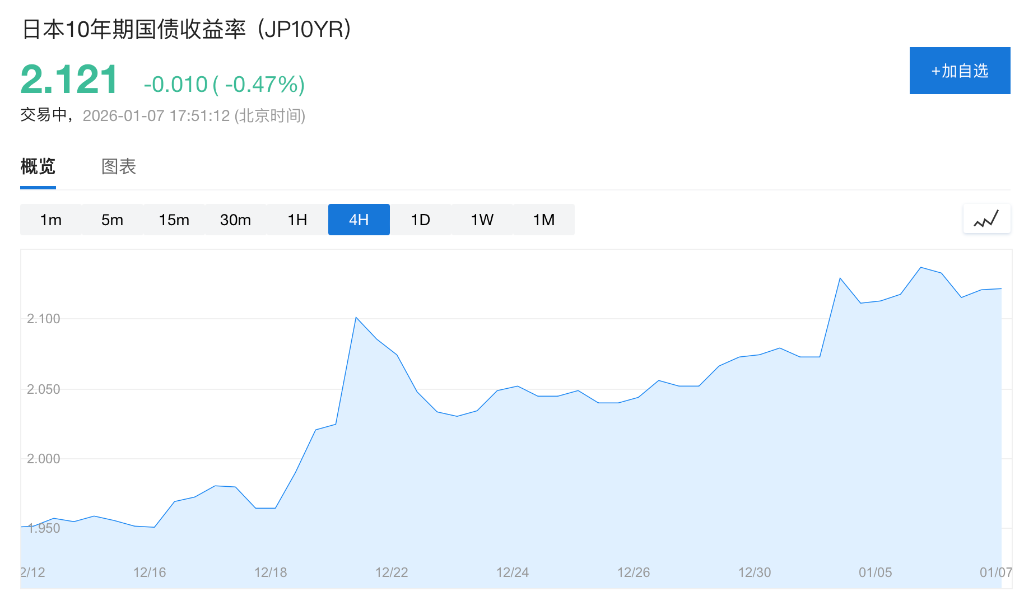
Group 1 - The Japanese government has revised its fiscal forecast, indicating a shift from a projected surplus of 3.6 trillion yen to a deficit of 800 billion yen for the fiscal year 2026, primarily due to a 21.3 trillion yen economic stimulus plan and a two-year suspension of the food tax [1][4] - The new fiscal measures, including the food tax suspension, are expected to add approximately 5 trillion yen annually to the fiscal burden, which has not been included in the current deficit estimate [1] - Concerns over fiscal discipline and debt sustainability have led to a rise in the 10-year Japanese government bond yield to a 27-year high, reflecting market apprehension regarding the government's fiscal strategy [1] Group 2 - The basic budget balance is a key indicator of the government's reliance on debt, and Japan has been in a state of basic budget deficit for most of its recent history, with debt exceeding twice its GDP, the highest among developed economies [4] - The government aims to achieve a basic budget surplus of 3.9 trillion yen by the fiscal year 2027, contingent on moderate economic growth [4] - Prime Minister Kishi's administration plans to reverse fiscal tightening policies and set new multi-year fiscal targets to enhance spending flexibility [4]