
基本预算盈余

Search documents
大选前加码财政支出,日本重返预算盈余计划再度落空
Hua Er Jie Jian Wen· 2026-01-22 10:34
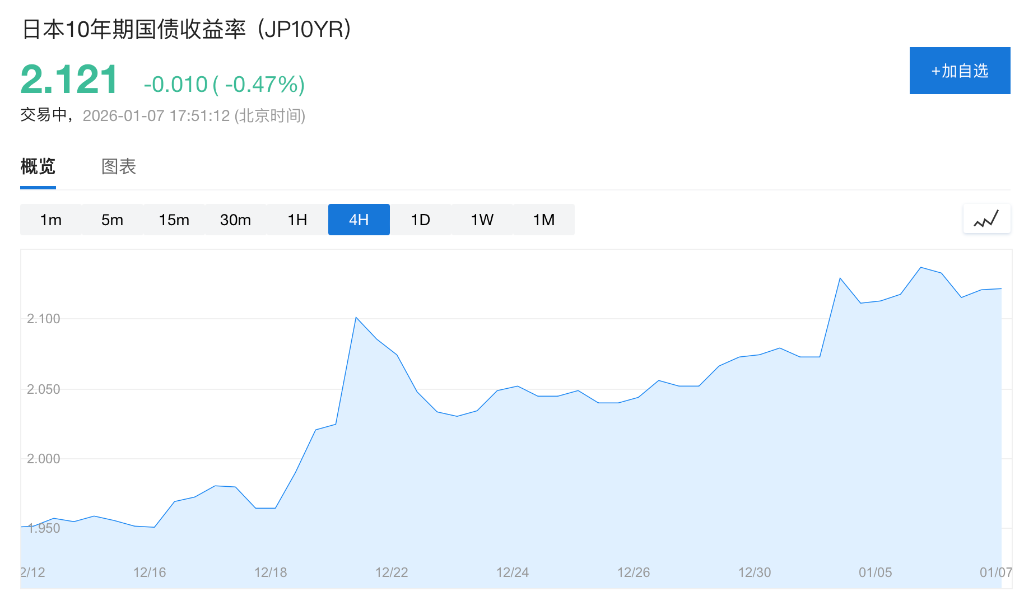
Group 1 - The Japanese government has revised its fiscal forecast, indicating a shift from a projected surplus of 3.6 trillion yen to a deficit of 800 billion yen for the fiscal year 2026, primarily due to a 21.3 trillion yen economic stimulus plan and a two-year suspension of the food tax [1][4] - The new fiscal measures, including the food tax suspension, are expected to add approximately 5 trillion yen annually to the fiscal burden, which has not been included in the current deficit estimate [1] - Concerns over fiscal discipline and debt sustainability have led to a rise in the 10-year Japanese government bond yield to a 27-year high, reflecting market apprehension regarding the government's fiscal strategy [1] Group 2 - The basic budget balance is a key indicator of the government's reliance on debt, and Japan has been in a state of basic budget deficit for most of its recent history, with debt exceeding twice its GDP, the highest among developed economies [4] - The government aims to achieve a basic budget surplus of 3.9 trillion yen by the fiscal year 2027, contingent on moderate economic growth [4] - Prime Minister Kishi's administration plans to reverse fiscal tightening policies and set new multi-year fiscal targets to enhance spending flexibility [4]

高市早苗拟推动日本财政大转向,施压央行放缓加息!
Jin Shi Shu Ju· 2025-11-10 08:17
Core Viewpoint - Japan's Prime Minister Sanae Takaichi is advocating for a new multi-year fiscal target that allows for more flexible spending, effectively weakening Japan's previous commitment to fiscal consolidation [1][5] Group 1: Economic Policy Changes - Takaichi has called for the Bank of Japan to slow down interest rate hikes, despite indications that most policymakers prefer to resume monetary tightening soon [1] - The government is prioritizing economic growth measures over addressing worsening public finance issues, with Takaichi suggesting a potential reduction in the consumption tax [1][5] - The focus on expansionary policies may complicate the Bank of Japan's decision-making regarding interest rates, especially in light of uncertainties from U.S. tariff increases [1][3] Group 2: Fiscal Goals and Budgeting - Takaichi plans to abandon the annual primary budget surplus target in favor of a new multi-year fiscal goal, with instructions to the cabinet to start this process in January [5][6] - The primary budget surplus excludes new debt issuance and debt repayment costs, serving as a measure of funding support without relying on borrowing [7] - Analysts warn that the proposed spending plans could jeopardize Japan's goal of achieving a primary budget surplus by the fiscal years 2025-2026 [5][7] Group 3: Political Pressure on the Bank of Japan - The Bank of Japan is facing increasing political pressure, with a growing consensus among committee members for a potential interest rate hike in the upcoming December meeting [3][4] - There is uncertainty regarding whether the Bank of Japan can make necessary adjustments to avoid conflict with the new government [4]
希腊预计经济将在2025年增长2.3%,基本预算盈余占GDP比重料为3.2%。
news flash· 2025-04-30 15:01
Core Insights - Greece's economy is projected to grow by 2.3% in 2025, indicating a positive outlook for economic recovery and growth [1] - The primary budget surplus is expected to account for 3.2% of GDP, reflecting strong fiscal management and potential for increased public investment [1]