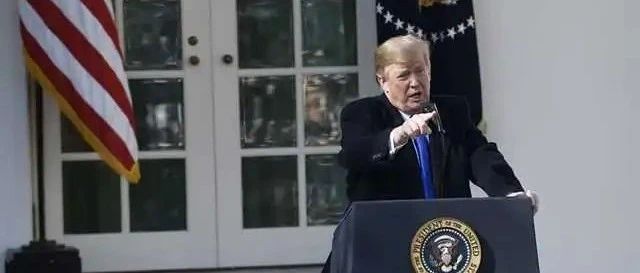
财政崩溃

Search documents
联合国财政崩溃“迫在眉睫”
Xin Lang Cai Jing· 2026-01-31 07:08
Core Viewpoint - The United Nations is facing an imminent financial collapse due to accumulating unpaid dues, with a warning from Secretary-General António Guterres that funds may run out by July [1] Group 1: Financial Situation - The financial crisis is deepening, threatening project execution and increasing the risk of fiscal collapse [1] - Guterres emphasized that the situation is expected to worsen in the near future [1] Group 2: Member States' Responsibilities - All member states must fulfill their payment obligations fully and on time, or fundamental reforms to financial rules are necessary to prevent the impending fiscal collapse [1] - The United States is identified as the largest debtor among UN member states [1]
古特雷斯:联合国面临财政崩溃
Xin Lang Cai Jing· 2026-01-31 02:58
Core Viewpoint - The United Nations is facing an imminent financial collapse due to accumulating unpaid dues, with a warning from Secretary-General António Guterres that funds may run out before July [1][3]. Group 1: Financial Crisis Warning - Guterres stated that the crisis is deepening, threatening project execution and increasing the risk of financial collapse, with expectations that the situation will worsen in the near future [3]. - He emphasized the need for all member states to fulfill their payment obligations fully and on time, or for fundamental reforms in financial rules to prevent the impending financial collapse [3]. Group 2: U.S. Contribution Issues - The United States is identified as the largest debtor among UN member states, having nearly ceased payments since President Trump took office, with outstanding dues for 2024 still unpaid [3]. - In January, a spokesperson confirmed that the U.S. has not made any payments towards its overdue contributions to the UN [3].

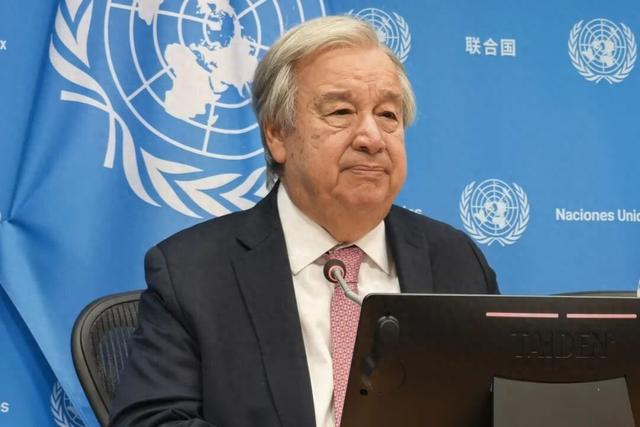
联合国面临财政崩溃
Xin Lang Cai Jing· 2026-01-30 23:53
Core Viewpoint - The United Nations is facing an imminent financial collapse due to accumulating unpaid dues, with funds potentially running out by July [1] Group 1: Financial Situation - UN Secretary-General António Guterres warned that the financial crisis is deepening, threatening project execution and increasing the risk of financial collapse [1] - Guterres emphasized the need for all member states to fulfill their payment obligations fully and on time, or for fundamental reforms in financial rules to prevent the impending collapse [1] Group 2: Member States' Contributions - The United States is identified as the largest debtor among UN member states, having nearly ceased payments since President Trump took office [1] - As of January, the UN confirmed that the U.S. has not settled its outstanding dues for 2024 [1]
特朗普政府警告法院:反对关税的裁决将引发“经济灾难”
第一财经· 2025-08-15 12:42
Core Viewpoint - The Trump administration argues that a court ruling against tariffs could undermine the President's foreign policy, jeopardize recent trade agreements, and harm the U.S. economy [3][4][7] Group 1: Legal Context and Arguments - The Trump administration is appealing a ruling that stated the President does not have "unlimited power" to impose tariffs under the International Emergency Economic Powers Act (IEEPA) [6][9] - The administration's legal team claims that tariffs are necessary to prevent a "financial collapse" and warns of potential economic recession if tariffs are overturned [7][11] - Experts suggest that if the Supreme Court rules against the Trump administration, it may lead to the refund of tariffs, impacting government revenue [6][12] Group 2: Economic Implications - As of the current fiscal year, U.S. tariff revenue has reached $142 billion, but it only accounts for 3.1% of total federal revenue [4][12] - Economists argue that the loss of tariff revenue is unlikely to cause a catastrophic economic downturn, as the U.S. government has significant debt and the tariffs do not directly fund social security or Medicare [11][12] - The current U.S. national debt is approaching $37 trillion, making tariff revenue a minor factor in the overall fiscal situation [12] Group 3: Political and Strategic Considerations - The Trump administration's strategy appears to be aimed at acting quickly on tariff issues to prevent the Supreme Court from overturning them, as the consequences could be severe [13] - Small businesses challenging the government argue that the President has other means to achieve trade goals, such as submitting agreements for Congressional approval [13]