财政绩效管理

Search documents
以财政之力撑起江苏民生“好日子”
Jiang Nan Shi Bao· 2026-01-28 14:11
Core Insights - Jiangsu Province's 2025 general public budget revenue reached 10,246 billion yuan, with tax revenue accounting for 77.4% at 7,929 billion yuan, while total expenditure was 15,190 billion yuan, with 78.9% or 11,979 billion yuan allocated to livelihood spending [1] Group 1: Budget Reform - Jiangsu's zero-based budgeting reform aims to restructure the budget system starting from zero, focusing on comprehensive income coordination and expenditure source control, achieving "reduction and increase, precise drip irrigation" of fiscal funds [2] - The number of provincial special funds decreased by 25% to 47 in 2025, with plans to further reduce to under 30 in 2026, reflecting a shift from "soft requirements" to "hard constraints" in budget performance management [2] - A cost performance analysis guide was issued, leading to a savings of 800 million yuan with a 16.4% savings rate [2] Group 2: Social Welfare Investment - In the social welfare sector, Jiangsu focused on "investing in people," reducing unemployment insurance fees by over 14 billion yuan and providing 5.172 billion yuan in job retention funds to support foreign trade and small businesses [3] - Education spending reached 2,894 billion yuan, a 4.9% increase, while social security and employment spending also grew by 4.9% to 2,238 billion yuan, indicating a strong commitment to enhancing public welfare [3] Group 3: Asset Utilization - Jiangsu activated dormant assets through a platform for sharing state-owned assets, completing over 37,000 asset adjustments since 2025, saving 55.03 million yuan in fiscal funds [4] - The province restructured its budget unit account management system, consolidating nearly a quarter of accounts, which led to the collection of 16.507 billion yuan in various unit account funds [4] Group 4: Financial Innovation - Jiangsu introduced 20 "Fiscal + Financial" measures, leveraging 600 billion yuan in financial resources to support high-quality development in the real economy [5] - The province facilitated over 140 billion yuan in interest-subsidized loans, significantly reducing financing costs for businesses, and established a service platform for efficient fund distribution [5] Group 5: Future Directions - Jiangsu's fiscal system continues to promote a "big finance" concept, aiming to align fiscal work with broader economic and social development goals, ensuring that fiscal funds contribute to high-quality growth and improved public welfare [6]
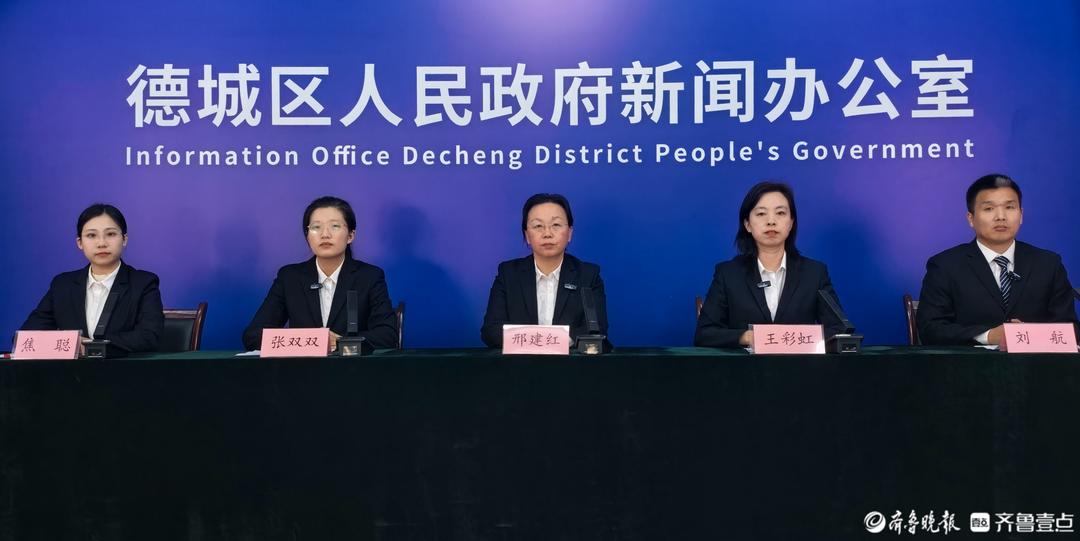
聚焦“四个促进”,德城审计以有力监督提升财政绩效与资金效益
Qi Lu Wan Bao· 2025-12-04 12:45
Core Viewpoint - The Decheng District Audit Bureau is enhancing fiscal performance management and the efficiency of fiscal fund utilization through comprehensive audit supervision, supporting the district's economic high-quality development [3][4]. Group 1: Audit Supervision Goals - The audit bureau focuses on promoting the quality and efficiency of proactive fiscal policies, deepening fiscal system reforms, preventing and mitigating debt risks, and standardizing power operations [3]. - Key areas of audit include the management and use of government special bond funds and the implementation of major policies, ensuring that policy benefits are effectively delivered [3]. Group 2: Budget Management Reform - The audit bureau emphasizes the implementation of budget management reforms, auditing state-owned capital management and budget performance to enhance the efficiency of fiscal funds [4]. - Strict adherence to the central government's eight regulations and frugality requirements is a priority, aiming to improve budget management and ensure effective use of government procurement [4]. Group 3: Social Welfare and Key Projects - The audit bureau prioritizes social welfare, focusing on education and healthcare funding, ensuring that policies benefit the public and addressing issues like fund misappropriation [4]. - Comprehensive audits are conducted on major infrastructure projects, ensuring compliance in project approval, fund usage, and quality, thereby enhancing the effectiveness of public service projects [4]. Group 4: State-Owned Asset Supervision - The audit bureau places significant emphasis on the supervision of state-owned assets, promoting their efficient operation and preventing loss [5]. - Audits are conducted on the management of administrative assets and natural resource utilization, reinforcing responsibilities for ecological protection and supporting sustainable development [5].