
财政资金使用效益

Search documents
投向哪怎么投谁来管 国家层面首次系统规范政府投资基金
Shang Hai Zheng Quan Bao· 2026-01-12 23:47
Core Viewpoint - The recent issuance of the "Work Method" and "Management Method" by the National Development and Reform Commission, in collaboration with other ministries, marks the first systematic regulation of government investment funds in China, transitioning from extensive management to refined management, which is expected to enhance the efficiency of fiscal fund usage and guide social capital to serve national strategies [1][2]. Group 1: Government Investment Fund Management - The government investment fund has played a significant role in leveraging social capital, supporting innovation and entrepreneurship, and promoting industrial upgrades [2]. - The "Work Method" outlines a roadmap for government investment funds, specifying key investment areas, prohibited investment sectors, and disallowed investment behaviors [3][4]. - The overall direction of the new regulations is to strengthen strategic coordination, focus on policy objectives, improve evaluation mechanisms, and enhance operational efficiency [2][6]. Group 2: Investment Focus and Guidelines - The "Work Method" emphasizes optimizing fund allocation to support major strategies and key areas, particularly in technology and industry innovation, while avoiding investments in restricted or eliminated sectors [3][4]. - National-level funds are encouraged to support the construction of a modern industrial system and key technological breakthroughs, while local funds should focus on regional characteristics and support small and micro enterprises [4][6]. Group 3: Evaluation and Accountability - The "Management Method" establishes a post-investment regulatory framework that includes a comprehensive evaluation system to assess whether fund investments align with national strategic planning and effectively address market failures [6]. - Evaluation results will be linked to future budget arrangements and management team incentives, ensuring that well-performing funds receive continued support while underperforming funds may face corrective actions [6].
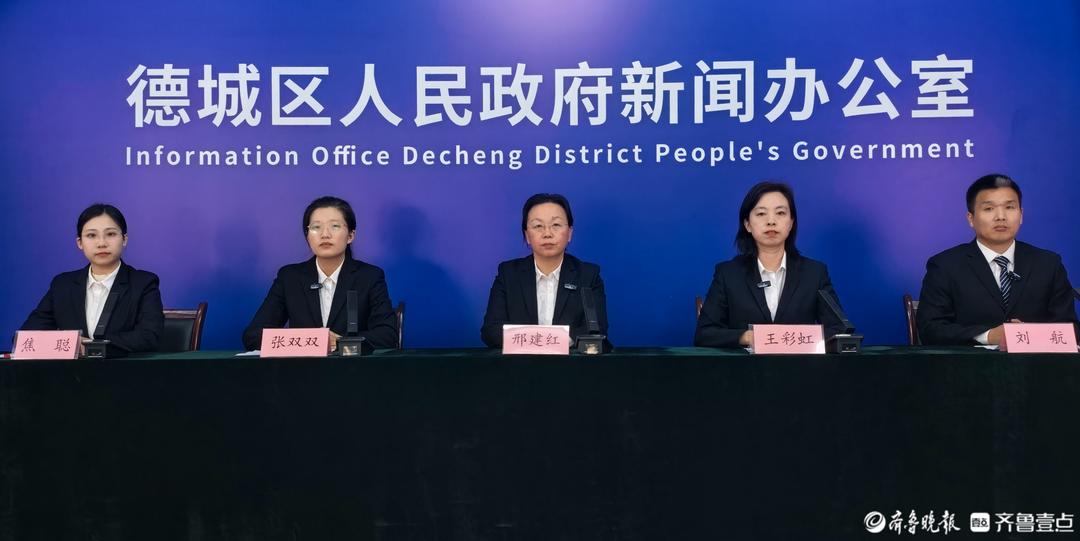
聚焦“四个促进”,德城审计以有力监督提升财政绩效与资金效益
Qi Lu Wan Bao· 2025-12-04 12:45
Core Viewpoint - The Decheng District Audit Bureau is enhancing fiscal performance management and the efficiency of fiscal fund utilization through comprehensive audit supervision, supporting the district's economic high-quality development [3][4]. Group 1: Audit Supervision Goals - The audit bureau focuses on promoting the quality and efficiency of proactive fiscal policies, deepening fiscal system reforms, preventing and mitigating debt risks, and standardizing power operations [3]. - Key areas of audit include the management and use of government special bond funds and the implementation of major policies, ensuring that policy benefits are effectively delivered [3]. Group 2: Budget Management Reform - The audit bureau emphasizes the implementation of budget management reforms, auditing state-owned capital management and budget performance to enhance the efficiency of fiscal funds [4]. - Strict adherence to the central government's eight regulations and frugality requirements is a priority, aiming to improve budget management and ensure effective use of government procurement [4]. Group 3: Social Welfare and Key Projects - The audit bureau prioritizes social welfare, focusing on education and healthcare funding, ensuring that policies benefit the public and addressing issues like fund misappropriation [4]. - Comprehensive audits are conducted on major infrastructure projects, ensuring compliance in project approval, fund usage, and quality, thereby enhancing the effectiveness of public service projects [4]. Group 4: State-Owned Asset Supervision - The audit bureau places significant emphasis on the supervision of state-owned assets, promoting their efficient operation and preventing loss [5]. - Audits are conducted on the management of administrative assets and natural resource utilization, reinforcing responsibilities for ecological protection and supporting sustainable development [5].

部分资金分配不合理、闲置或挪用,超10万亿转移支付资金如何强监管
Di Yi Cai Jing· 2025-10-19 12:29
Core Viewpoint - The Chinese government is enhancing the transfer payment system to address fiscal imbalances among regions, with a focus on improving the efficiency and regulation of transfer payment budgets and their execution [1][8]. Group 1: Transfer Payment Scale and Issues - The overall scale of intergovernmental transfer payments in China is increasing, with central government transfers to local governments projected at approximately 100.397 billion yuan for 2024 and 103.415 billion yuan for 2025 [2]. - Various provinces have reported issues with transfer payments, including delays in fund allocation, non-compliance with distribution regulations, and funds being idle or misappropriated [1][2][3]. Group 2: Specific Audit Findings - Audit reports from provinces like Gansu and Hebei highlighted a lack of proper management regulations for transfer payments, with significant amounts of funds not being effectively utilized [2][3]. - In Shandong, funds for smart city initiatives were distributed in a fragmented manner, resulting in minimal support for eligible enterprises, while in Guangdong, delays in fund allocation exceeded regulatory time limits, affecting budget execution [3][4]. Group 3: Recommendations and Regulatory Enhancements - The government is working on optimizing the transfer payment distribution methods and improving the evaluation of fiscal difficulties and expenditure standards [8][9]. - Recommendations from audit reports include deepening fiscal reforms, clarifying the functions of various transfer payments, and enhancing performance monitoring to prevent fund wastage [9].
省人大常委会组成人员对省政府关于辽宁省2024年财政决算报告的审议意见
Liao Ning Ri Bao· 2025-08-01 01:12
Group 1 - The core viewpoint of the article emphasizes the commitment of the provincial government to implement the central government's decisions and the provincial party's requirements, focusing on effective fiscal policies and management to support the goals of comprehensive revitalization [1] - The provincial government aims to enhance fiscal resource coordination and improve fiscal management levels while preventing risks in key areas, thereby providing solid fiscal support for the year of tackling challenges [1] Group 2 - Suggestions include strengthening budget and final accounts management by improving the budget draft system and enhancing the management of surplus funds [2] - There is a focus on increasing the efficiency of fiscal fund usage through performance evaluations and optimizing budget allocations [2] - The establishment of a comprehensive risk monitoring and early warning system is recommended to prevent systemic financial risks, including hidden debts [2] - The article advocates for advancing fiscal and tax system reforms, including implementing zero-based budgeting to enhance the scientific and effective nature of budget preparation [2]