
国有资产监督管理

Search documents
同题共答摸家底 系统施治释活力
Xin Lang Cai Jing· 2026-02-07 20:47
Core Viewpoint - The article highlights the efforts of Nanjing's disciplinary inspection and supervision authorities in revitalizing idle state-owned assets through comprehensive asset inspections and management reforms, aiming to enhance the value and efficiency of these assets [1][4]. Group 1: Asset Inspection and Management - Nanjing's asset inspection involved 3,127 administrative units and 3,071 state-owned enterprises, focusing on clarifying asset status and addressing existing issues [1][2]. - A dual mechanism was established for oversight, requiring confirmation from both the administrative heads and the disciplinary inspection leaders to ensure accountability [1][2]. Group 2: Problem Identification and Resolution - The inspection process led to the identification of 1,086 issues reported by municipal administrative units, ensuring accurate data and clarity on asset conditions [2]. - A total of 738 problem leads related to state-owned assets were identified since the 19th National Congress, resulting in 462 cases being filed and 165 individuals receiving disciplinary actions [2][3]. Group 3: Case Analysis and Systemic Improvements - The case of misappropriation involving Nanjing Metro's subsidiary highlighted failures in management, prompting stricter accountability measures and improved oversight of material management [3]. - The authorities categorized 11 major problem types based on the leads and emphasized the need for a comprehensive management system covering the entire lifecycle of state-owned assets [3][4]. Group 4: Future Directions - The Nanjing disciplinary inspection authorities plan to consolidate the results of the asset inspections and focus on key areas to address systemic weaknesses and enhance the management framework for state-owned assets [4].
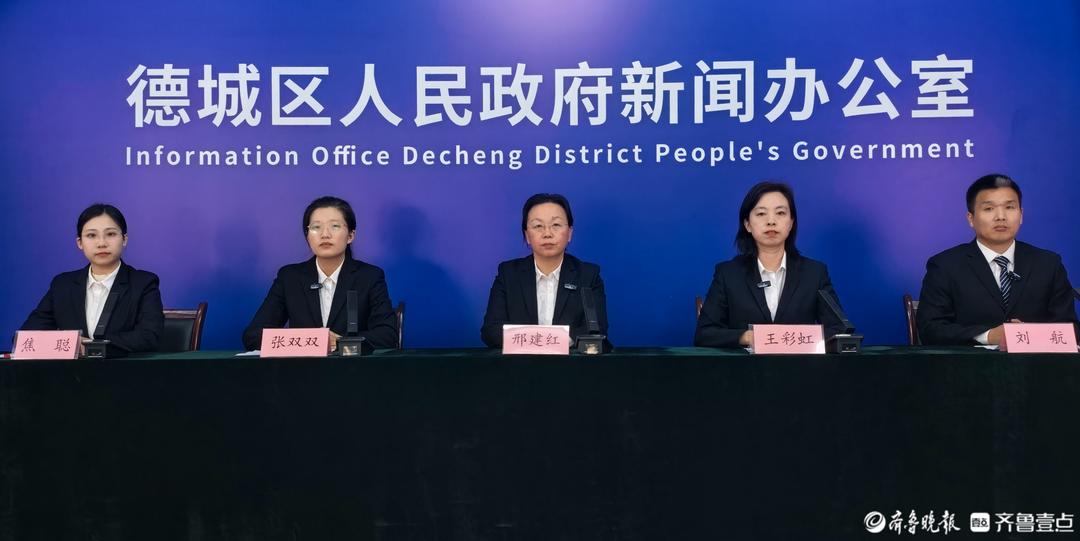
聚焦“四个促进”,德城审计以有力监督提升财政绩效与资金效益
Qi Lu Wan Bao· 2025-12-04 12:45
Core Viewpoint - The Decheng District Audit Bureau is enhancing fiscal performance management and the efficiency of fiscal fund utilization through comprehensive audit supervision, supporting the district's economic high-quality development [3][4]. Group 1: Audit Supervision Goals - The audit bureau focuses on promoting the quality and efficiency of proactive fiscal policies, deepening fiscal system reforms, preventing and mitigating debt risks, and standardizing power operations [3]. - Key areas of audit include the management and use of government special bond funds and the implementation of major policies, ensuring that policy benefits are effectively delivered [3]. Group 2: Budget Management Reform - The audit bureau emphasizes the implementation of budget management reforms, auditing state-owned capital management and budget performance to enhance the efficiency of fiscal funds [4]. - Strict adherence to the central government's eight regulations and frugality requirements is a priority, aiming to improve budget management and ensure effective use of government procurement [4]. Group 3: Social Welfare and Key Projects - The audit bureau prioritizes social welfare, focusing on education and healthcare funding, ensuring that policies benefit the public and addressing issues like fund misappropriation [4]. - Comprehensive audits are conducted on major infrastructure projects, ensuring compliance in project approval, fund usage, and quality, thereby enhancing the effectiveness of public service projects [4]. Group 4: State-Owned Asset Supervision - The audit bureau places significant emphasis on the supervision of state-owned assets, promoting their efficient operation and preventing loss [5]. - Audits are conducted on the management of administrative assets and natural resource utilization, reinforcing responsibilities for ecological protection and supporting sustainable development [5].

南京高淳区:精准监督守好国资“家底”
Zhong Yang Ji Wei Guo Jia Jian Wei Wang Zhan· 2025-10-10 06:44
Core Insights - The article highlights the successful revitalization of a previously idle land parcel in Yangjiang Town, Nanjing, through effective supervision and management of state-owned assets, leading to both economic development and asset optimization [1][2] Group 1: Asset Management and Utilization - The Nanjing High-tech District's Discipline Inspection and Supervision Commission initiated a comprehensive review of state-owned assets, focusing on real estate and land to identify management issues and enhance asset utilization [1] - The commission employed a "four-dimensional work method" involving data analysis, document review, field verification, and interviews to clarify the status of state-owned assets and address management challenges [1] Group 2: Problem Identification and Resolution - The commission identified discrepancies in asset management, such as missing rental contracts and inconsistencies in reported asset sizes, by comparing various data sources including management ledgers and financial records [1] - Over 2,400 assets were inspected, and more than 1,100 individuals were interviewed to uncover issues like unreported assets, idle properties, unpaid rents, and management deficiencies, leading to the referral of over 30 problem cases [1] Group 3: Collaborative Governance - In response to the identified issues, the commission is promoting a "big supervision" framework that encourages collaboration among various departments, including finance and state-owned assets, to enhance governance and oversight [2] - Measures such as improving management systems, facilitating the reissuance of property certificates, and developing an online supervision system are being implemented to create a closed-loop supervision mechanism [2]