财政金融协同发力

Search documents
铸造铝合金价格延续大涨,现货交投活跃
Xin Lang Cai Jing· 2026-01-06 08:07
Group 1 - The core viewpoint of the articles highlights the rising prices of aluminum alloys driven by macroeconomic factors and supply-demand dynamics in the market [1][2]. - The main aluminum alloy futures contract (2603) closed at 22,995 yuan, up 515 yuan, with a trading volume of 18,270 lots, an increase of 6,450 lots [1]. - The average price of various aluminum alloy ingots has increased, with A356.2 rising by 600 yuan to an average of 25,500 yuan/ton, and ADC12 increasing by 400 yuan to 23,200 yuan/ton [1]. Group 2 - On the macroeconomic front, geopolitical tensions, particularly the U.S. military actions in Venezuela, have heightened market risk aversion and raised concerns about global trade and supply chain stability, leading to increased premiums for strategic resources like non-ferrous metals [1]. - The domestic macro policy has been favorable, with the central government issuing 625 billion yuan in long-term special bonds to stimulate consumption, particularly ahead of the New Year and Spring Festival [1]. - The aluminum alloy market is experiencing a tightening supply of scrap aluminum and ongoing losses in the recycling aluminum industry, which is providing significant cost support [2].


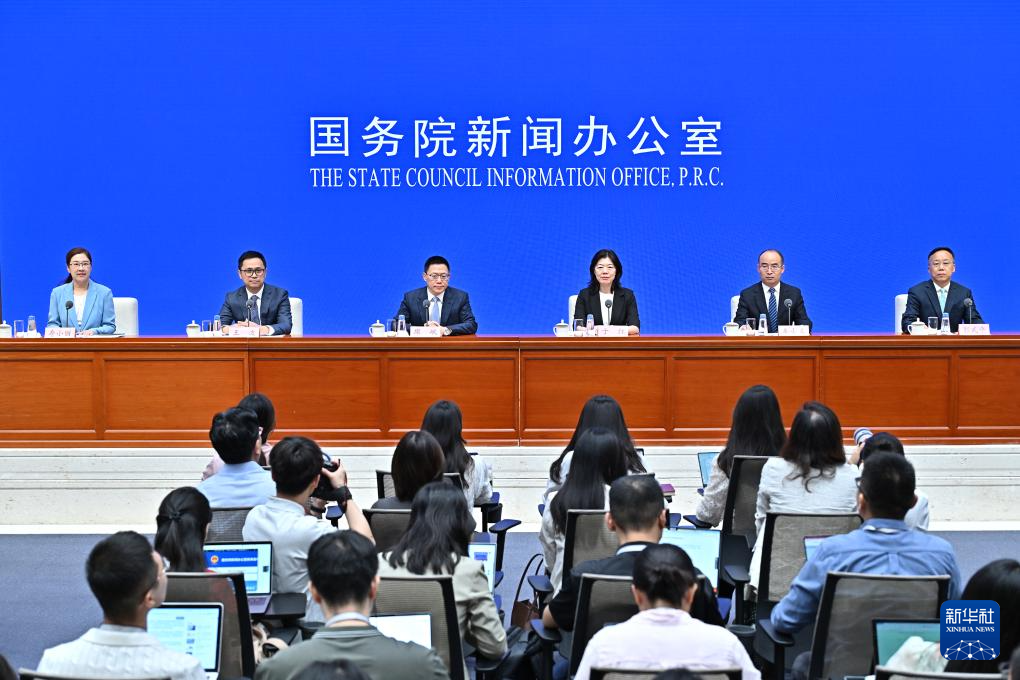
新华全媒+丨财政金融协同发力 更好激发消费潜力——四部门详解两项贴息政策
Xin Hua Wang· 2025-08-13 09:33
Core Insights - The Chinese government has introduced two subsidy policies aimed at boosting consumer loans and supporting service industry operators, referred to as "national subsidies" in the consumer loan sector [3][4]. Group 1: Policy Overview - The personal consumption loan subsidy policy directly benefits the public, covering loans used for daily consumption and significant purchases, with a subsidy rate of 1% [3][4]. - The service industry loan subsidy focuses on eight key sectors, including hospitality, health, and culture, with a similar 1% subsidy rate and a maximum loan amount of 1 million yuan per entity [3][4]. - Both policies are designed to be inclusive, addressing diverse consumer needs and minimizing application complexities to ensure ease of access [3][4]. Group 2: Financial Coordination - The policies represent a collaborative effort between fiscal and financial sectors to enhance consumer demand and service supply, with the People's Bank of China leading initiatives to support consumption [4][5]. - A significant financial backing of 500 billion yuan has been allocated to stimulate service consumption and elderly care loans, encouraging financial institutions to increase credit supply in these areas [4][5]. Group 3: Implementation and Oversight - Effective implementation of these policies is crucial, with multiple stakeholders involved in ensuring that funds are used appropriately and reach the intended beneficiaries [6][7]. - The Ministry of Commerce will oversee the management of sectors included in the subsidy scheme, while the financial regulatory authority will guide banks in setting loan parameters and monitoring fund usage [6][7].