财经知识付费

Search documents
25元就能打造一个“股神” ? 有财经大V靠会员年费年入千万
2 1 Shi Ji Jing Ji Bao Dao· 2026-02-05 14:08
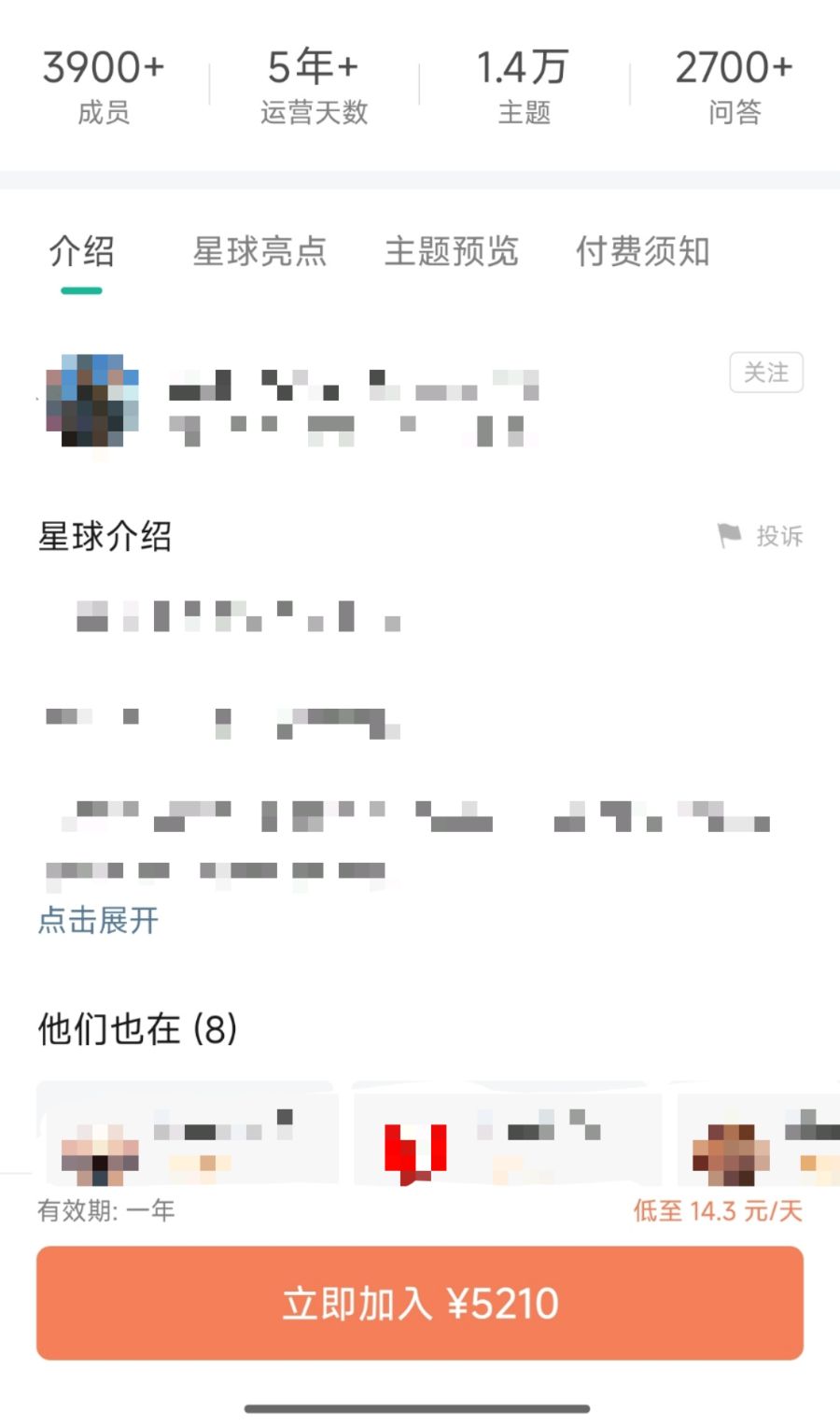
Group 1 - The core issue highlighted is the prevalence of unqualified financial influencers, referred to as "financial KOLs," who generate significant income through membership fees while lacking legitimate credentials [2][3] - Many of these influencers may be using trading simulation software to fabricate impressive investment results, with some software available for as little as 25 yuan, allowing users to create misleading performance metrics [2][3] - The market for financial influencers is becoming increasingly mixed, making it difficult for investors to distinguish between credible and fraudulent sources, as some influencers may present simulated trading results as real achievements [3] Group 2 - There are claims of services that assist in the certification of financial accounts, with costs for such services reaching up to 4600 yuan, raising questions about the validity of these certifications [3] - The phenomenon of using simulated trading results to gain followers and credibility is contributing to a lack of trust in the financial influencer market, as many are capitalizing on the trend without genuine expertise [2][3]
25元批发造股神,有财经大V一年赚2000万
2 1 Shi Ji Jing Ji Bao Dao· 2026-02-05 13:53
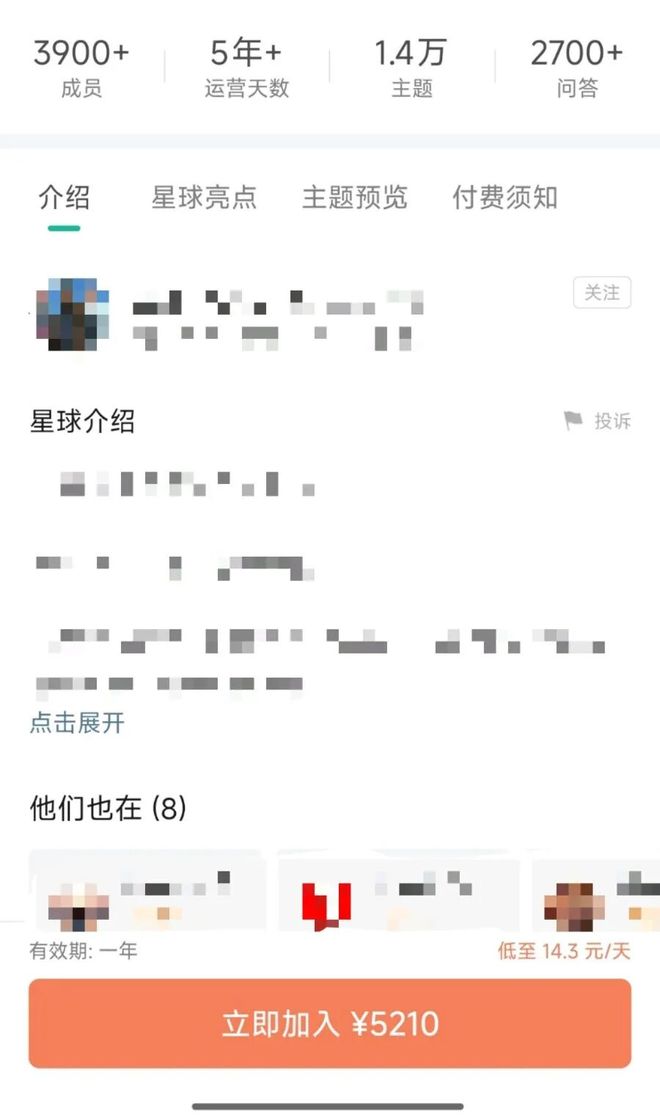
Core Viewpoint - The rise of financial "KOLs" (Key Opinion Leaders) in the knowledge payment sector has led to a mixed market, with many lacking qualifications and engaging in questionable practices to attract followers and monetize their influence [4][6][8]. Group 1: Financial KOLs and Their Practices - Many financial "KOLs" generate significant income through membership fees, with some earning over 20 million yuan annually from their platforms [4]. - The market has seen a surge in unqualified "KOLs" who use simulated trading software to fabricate impressive investment results, misleading followers [6][13]. - Some "KOLs" employ tactics such as sharing market insights on social media to build a following before directing users to paid platforms for more information [8][11]. Group 2: Regulatory Environment and Compliance Issues - Knowledge platforms like Zhishixingqiu have initiated special governance actions to address illegal content related to capital markets, focusing on unqualified courses and market manipulation [4][24]. - Despite regulatory efforts, many "KOLs" continue to find ways to circumvent rules, such as hiding stock recommendations in non-detectable formats [16][19]. - The blurred lines of compliance are evident as some "KOLs" engage in practices like IP authorization for private fund products, creating confusion about responsibility among investors [24][27]. Group 3: User Engagement and Retention Strategies - To retain followers, "KOLs" frequently update content and provide direct, actionable insights, often resorting to emotional support during market volatility [15][21]. - The community aspect is emphasized, with "KOLs" fostering a sense of belonging among followers, which enhances user loyalty [21]. - Many "KOLs" also utilize private communication channels to share sensitive information, which is harder for platforms to monitor [20][26].

25元批发造股神,有财经大V一年赚2000万
21世纪经济报道· 2026-02-05 13:34
Core Viewpoint - The article discusses the booming yet chaotic landscape of financial knowledge payment platforms, highlighting the rise of financial "KOLs" (Key Opinion Leaders) who monetize their expertise through membership fees, while also addressing the regulatory challenges and the prevalence of unqualified individuals in the space [4][28]. Group 1: Financial KOLs and Their Revenue Models - Financial "KOLs" can achieve significant annual revenues, with some generating over 20 million yuan from membership fees alone [4]. - Many KOLs attract followers by claiming professional backgrounds and sharing market insights on social media platforms before directing them to paid knowledge-sharing platforms [7][11]. Group 2: Regulatory Challenges and Market Integrity - The recent announcement by Knowledge Planet to initiate a crackdown on illegal financial content indicates a growing concern over the integrity of financial advice being offered [4][28]. - Despite regulatory efforts, some KOLs continue to engage in dubious practices, such as using simulated trading software to fabricate impressive investment results [12][25]. Group 3: Content Strategies and User Engagement - Successful KOLs maintain high content update frequencies and often employ straightforward communication styles to engage their audience [16]. - KOLs utilize various tactics to circumvent platform regulations, such as hiding stock recommendations in non-detectable formats or using coded language [17][20]. Group 4: Emotional Value and Community Building - KOLs not only provide investment knowledge but also emotional support to their followers, especially during market volatility, which enhances user retention [22]. - The community aspect of KOLs' platforms fosters a sense of belonging among followers, which can lead to increased loyalty and engagement [22]. Group 5: Ethical Concerns and Misleading Practices - Some KOLs have been implicated in promoting private equity products with misleading performance claims, raising ethical questions about their influence and accountability [25][27]. - The blurred lines between personal branding and product promotion create challenges for investors in discerning the credibility of financial advice [25][28].

21调查|25元批发“股神”,起底财经大V知识付费生意经
2 1 Shi Ji Jing Ji Bao Dao· 2026-02-05 12:51
Core Viewpoint - The rise of financial "KOLs" (Key Opinion Leaders) in the knowledge payment sector has led to a mixed market, with many lacking qualifications and using dubious methods to attract followers and generate income [3][4][10]. Group 1: Financial KOLs and Their Operations - Many financial "KOLs" generate significant income through membership fees, with one example showing over 20 million yuan in annual revenue from a knowledge-sharing platform [3]. - The market for financial knowledge payment is becoming increasingly chaotic, prompting platforms like Knowledge Star to initiate special governance actions against illegal content and unqualified courses [3][30]. - Some "KOLs" use low-cost trading simulator software to fabricate impressive investment results, misleading followers about their actual performance [10][13]. Group 2: Attracting and Retaining Followers - To attract followers, many financial "KOLs" create professional personas on social media, often claiming backgrounds in reputable financial institutions and extensive investment experience [4][5]. - The content published by "KOLs" is frequently updated, with many providing daily insights and analyses to maintain engagement [17]. - "KOLs" often employ emotional support strategies during market volatility, reassuring followers and enhancing user retention through community bonding [23]. Group 3: Regulatory Challenges and Compliance Issues - The Knowledge Star platform has announced strict measures against illegal stock recommendations and unregistered financial products, highlighting the ongoing struggle between regulation and non-compliance [30]. - Some "KOLs" engage in questionable practices, such as using private groups for discussions that skirt regulatory scrutiny, complicating the landscape for investors seeking reliable information [22][29]. - The blurred lines of responsibility in partnerships between "KOLs" and private equity firms raise concerns about investor protection and compliance with regulations [25][28].