
货币转换

Search documents
这个国家,加入欧元区
Xin Lang Cai Jing· 2026-01-02 10:13
Core Viewpoint - Bulgaria will officially join the Eurozone on January 1, 2026, becoming the 21st member, with a transition period for both the Bulgarian lev and the euro until January 31, 2026, after which the euro will be the sole legal currency [1][3]. Group 1: Transition Process - The transition period from January 1 to January 31, 2026, will allow both the lev and euro to circulate as legal tender, but from February 1, 2026, only the euro will be accepted [1]. - During the transition, the lev will gradually be phased out, and the euro will become integrated into daily life and the economy of Bulgaria [3]. - Preparations for the currency switch began in the second half of 2025, with businesses required to display prices in both currencies [3]. Group 2: Public Concerns - A Gallup survey indicates that nearly 60% of Bulgarians are concerned about potential price increases following the currency switch, especially after witnessing price hikes in Croatia post-euro adoption [4]. - Many elderly citizens, who are accustomed to cash transactions, are particularly affected and may require assistance in understanding the new currency [5]. - There are fears among the public regarding the possibility of receiving counterfeit euro notes [5]. Group 3: Economic Implications - Some citizens and media outlets express optimism that adopting the euro will facilitate trade, boost tourism, and attract foreign direct investment [5]. - Large enterprises engaged in trade with Europe generally welcome the euro adoption, believing it will simplify trade processes [5]. - Local sentiments reflect a mix of nostalgia for the lev and a recognition of the euro as a financial tool that will not alter Bulgarian culture [7].

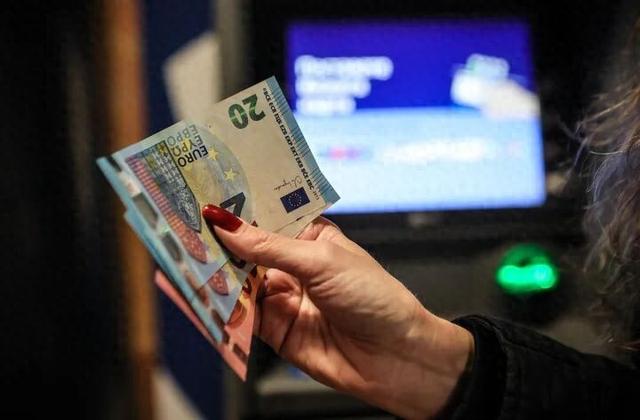
保加利亚迈入“欧元时代” 民众有喜有忧
Xin Lang Cai Jing· 2026-01-02 09:14
Core Viewpoint - Bulgaria officially joins the Eurozone on January 1, 2026, becoming the 21st member, with a transition period for the Bulgarian lev and euro until February 1, 2026 [1] Group 1: Transition Process - The transition period from the Bulgarian lev to the euro will last from January 1 to January 31, 2026, during which both currencies will have legal tender status [1] - From February 1, 2026, the euro will be the only legal currency in Bulgaria, phasing out the lev [1] - Preparations for the currency switch began in the second half of 2025, with products being priced in both lev and euro [1] Group 2: Public Sentiment - Approximately 60% of Bulgarians are concerned about potential price increases following the currency switch, influenced by the experience of Croatia after its euro adoption [1] - Small business owners express worries about increased operational costs due to the euro, particularly affecting elderly residents who are less familiar with the new currency [1] - Despite concerns, many citizens and media outlets anticipate that adopting the euro will benefit foreign trade, tourism, and foreign direct investment [1] Group 3: Business Perspective - Large enterprises engaged in trade with Europe generally welcome the euro adoption, believing it will simplify trade processes [1] - Local businesses and individuals express mixed feelings, with some valuing the euro as a financial tool while maintaining cultural identity [1]
保加利亚迈入“欧元时代”
Xin Hua She· 2026-01-02 05:07
Core Viewpoint - Bulgaria will officially join the Eurozone on January 1, 2026, becoming the 21st member, with a transition period for both the Bulgarian lev and the euro from January 1 to January 31, 2026, after which the euro will be the sole legal currency [1][2]. Group 1: Transition Process - The transition period will allow both the lev and euro to circulate, but from February 1, 2026, the euro will be the only legal tender in Bulgaria [1]. - As of late December 2025, there were long queues at coin exchange points, with people waiting up to 4 hours to exchange currency [2]. - During the transition, some vending machines were still using the old lev pricing system, causing inconvenience for users [1]. Group 2: Public Sentiment - Approximately 60% of Bulgarians are concerned about potential price increases following the currency switch, influenced by the experience of Croatia after its euro adoption [2]. - Many elderly citizens are particularly affected, with some needing assistance to understand the new currency and fearing counterfeit euros [2]. - Conversely, there is optimism among some citizens and businesses regarding the euro's potential to simplify trade and boost foreign investment [2]. Group 3: Cultural Impact - The adoption of the euro is viewed as a financial and economic tool, with assurances that Bulgarian culture will remain intact despite the currency change [3].