
贸易胁迫

Search documents
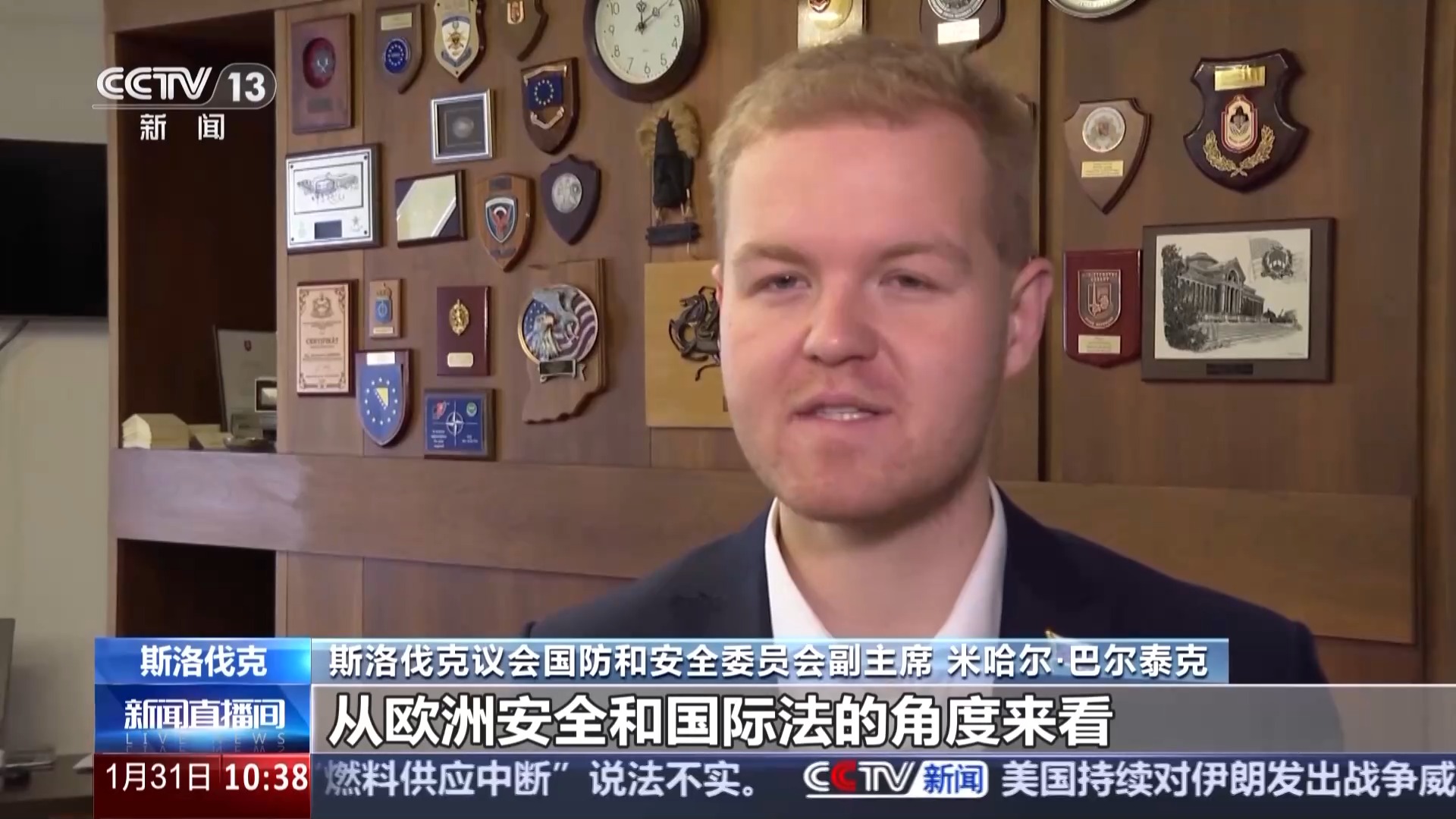
斯洛伐克议员:美方觊觎格陵兰岛言论动摇国际秩序
Xin Lang Cai Jing· 2026-01-31 07:08
Core Viewpoint - The controversy surrounding Greenland is no longer just a territorial or security issue, but reflects deeper challenges in transatlantic relations, European strategic autonomy, and the international rules-based system [1] Group 1: International Relations and Trade - The actions of the U.S. to use trade tools for political pressure undermine the fundamental basis of the post-war international order and violate the spirit of international law [3] - The practice of "trade coercion" is increasingly prevalent in Europe, where trade relations are linked to geopolitical demands, weakening the rules-based international trade system that the U.S. once helped establish [5] - The current predicament of the EU is closely related to its long-term blind adherence to U.S. narratives, revealing a strategic naivety that has persisted for decades [7] Group 2: European Strategic Autonomy - Europe is paying the price for its blind acceptance of U.S. narratives, and this strategic naivety is now fully exposed [7] - There is a call for Europe to focus more on strategic autonomy and diversify its partnerships, including strengthening cooperation with China, which is seen as more stable and predictable in many areas [9] - The behavior of the U.S. damages trust between Europe and the U.S., indicating a shift towards using trade as a political tool rather than fostering cooperation with partners [9]

俄总统新闻秘书:胁迫各国终止与俄贸易“不合法”
Xin Hua Wang· 2025-08-05 11:30
Group 1 - The core viewpoint of the article is that Russia's presidential spokesperson, Peskov, criticized the U.S. President Trump's threats against India regarding tariffs, stating that attempts to force countries to terminate trade with Russia are "illegal" [1] - Peskov emphasized that sovereign nations have the right to choose their trade partners and economic cooperation mechanisms that align with their national interests [1] - Trump's statement on social media indicated that the U.S. would significantly increase tariffs on products imported from India due to India's substantial purchases of Russian oil, which he claims allows India to profit [1] Group 2 - The Indian Ministry of External Affairs responded to Trump's actions, labeling them as both unjust and unreasonable, and stated that India would take all necessary measures to protect its national interests and economic security [1]