
国际贸易

Search documents
商务部:对美国破坏全球产供链相关做法和措施发起贸易壁垒调查
证券时报· 2026-03-27 09:23
Core Viewpoint - The Ministry of Commerce of China has initiated trade barrier investigations against the United States due to actions that disrupt global supply chains and hinder trade in green products, which may violate WTO rules and affect Chinese enterprises' trade interests [1][8]. Group 1: Investigation on Supply Chain Disruption - The investigation targets U.S. measures that severely disrupt global supply chains, including restrictions on Chinese products entering the U.S. market and limitations on high-tech exports to China [1]. - The investigation will utilize methods such as questionnaires, hearings, and on-site investigations to gather information from stakeholders [1][9]. - The investigation is expected to conclude within six months from the announcement date, with a possible extension of up to three months under special circumstances [2][10]. Group 2: Investigation on Green Product Trade Barriers - The investigation also addresses U.S. actions that obstruct trade in green products, including restrictions on exports of green products to the U.S. and limitations on technology cooperation related to green products [8]. - Similar to the previous investigation, this will also involve gathering information through various methods and is subject to the same timeline for completion [9][10]. - Stakeholders are invited to submit written comments regarding the investigation within 20 days of the announcement [5][12].


U.S. launches fresh Section 301 probes into 60 economies over forced-labor trade practices
CNBC· 2026-03-13 02:06
Core Viewpoint - The U.S. has initiated new trade investigations into 60 economies to assess their compliance with prohibiting imports of goods produced with forced labor [1][2][3] Group 1: Trade Investigations - The investigations are conducted under Section 301(b) of the Trade Act of 1974 and include major economies such as China, the European Union, India, and Mexico [2] - U.S. Trade Representative Jamieson Greer emphasized the lack of effective enforcement by governments against forced labor despite international consensus [2] Group 2: Impact on U.S. Economy - The investigations aim to evaluate whether foreign governments have taken adequate measures to prevent the importation of goods produced with forced labor and the implications of these practices on U.S. workers and businesses [3]


突发快讯!爆发重大变化!老人已经绝望,特朗普:向全球通报:新关税税率提升至15%,引发热议
Sou Hu Cai Jing· 2026-02-27 18:12
Core Insights - The U.S. government has significantly raised tariffs on certain imported goods from 10% to 15%, prompting immediate reactions from global businesses and consumers [1] - This tariff increase has led companies to reassess their strategies, with many shifting focus to less risky markets and adjusting their supply chains [4][5] Impact on Businesses - Domestic trade companies in the U.S. are facing immense pressure, with many needing to revise profit calculations and pass cost increases onto consumers [2] - Frequent tariff adjustments are causing supply chain disruptions, undermining customer confidence and prompting businesses to diversify their operations [4][5] - Chinese companies are demonstrating resilience by quickly adapting production and order flows, prioritizing stable markets in Europe and Southeast Asia [4][11] Consumer Effects - Consumers are experiencing noticeable price increases on imported goods, leading to a shift towards domestic brands and altering shopping behaviors [6][10] - The overall cost of living is rising, affecting purchasing decisions across various product categories, including food and electronics [6][10] Global Trade Dynamics - The tariff changes are influencing multinational companies to focus on market diversification and extending supply chains, creating a multi-point layout [5][15] - European companies are adjusting their cooperation strategies with the U.S. and showing increased willingness to collaborate with Asian markets [5][15] - The stability and transparency of policies are becoming critical factors for businesses in determining their market strategies [8][15] Future Outlook - The adjustments in U.S. tariffs reflect broader changes in the international economic landscape, with companies adopting diversified strategies to mitigate risks [13][15] - The evolving market dynamics are prompting both businesses and consumers to seek optimal solutions in response to ongoing changes [15]
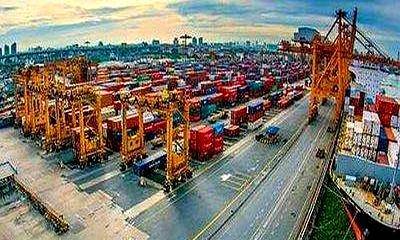
美国翻脸比翻书快!特朗普不讲情面,日本花钱合作照样被拿捏!
Sou Hu Cai Jing· 2026-02-27 09:13
Core Viewpoint - Japan is urging the United States to ensure that the new round of tariffs does not impose stricter trade conditions than those established in last year's agreement [1][3]. Group 1: Tariff Policy and Trade Conditions - Japan's Minister of Economy, Trade and Industry, Hiroshi Kajiyama, communicated with U.S. Secretary of Commerce Howard Lutnick, emphasizing that Japan's trade conditions should not be worse than the baseline set by last year's U.S.-Japan agreement [3]. - The U.S. Supreme Court recently ruled that the equal tariffs imposed by the Trump administration were unconstitutional, leading to the announcement of a new 10% tariff effective immediately [3][4]. - There are concerns that certain products already subject to specific tariff rates under last year's agreement may face additional burdens due to the new tariffs [3][4]. Group 2: Investment Mechanism and Bilateral Cooperation - The U.S.-Japan trade agreement included Japan's commitment to invest $550 billion in the U.S. through a fund called the "U.S./Japan Investment Tool" in exchange for a reduction in auto import tariffs from 27.5% to 15% [3][5]. - Both parties reaffirmed their commitment to closely collaborate on the implementation of the $550 billion investment mechanism and to expedite the related projects [5]. - The first batch of projects announced by Trump includes data infrastructure, deep-sea oil terminals, and synthetic diamond manufacturing for semiconductors, all located within the U.S. [5].
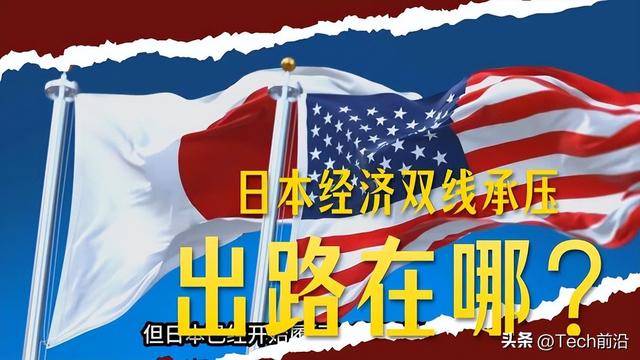
特朗普访华前送定心丸,美国盟友不干了
Sou Hu Cai Jing· 2026-02-27 06:41
Group 1 - The U.S. has officially imposed a 10% tariff on global goods, with potential increases to 15% or more for certain countries, while maintaining current tariff levels on China as per agreements [1][3][4] - The Trump administration is utilizing various legal frameworks to implement tariffs, including the International Emergency Economic Powers Act and the Trade Expansion Act, despite facing judicial challenges [3][4] - The European Union is particularly affected, with approximately 7% of its export goods facing tariffs exceeding 15%, impacting products worth around €4.2 billion [4] Group 2 - The upcoming visit of President Trump to China is influencing the administration's tariff strategy, focusing on pressuring allies rather than escalating tensions with China [5] - The U.S. is signaling a hardline stance towards allies like the EU, Japan, and South Korea, while maintaining a cautious approach towards China, indicating a strategic intent to leverage tariffs for negotiations [5][6] - China's response indicates a willingness to engage in dialogue while closely monitoring U.S. actions, suggesting potential retaliatory measures if the trade conflict escalates [6]
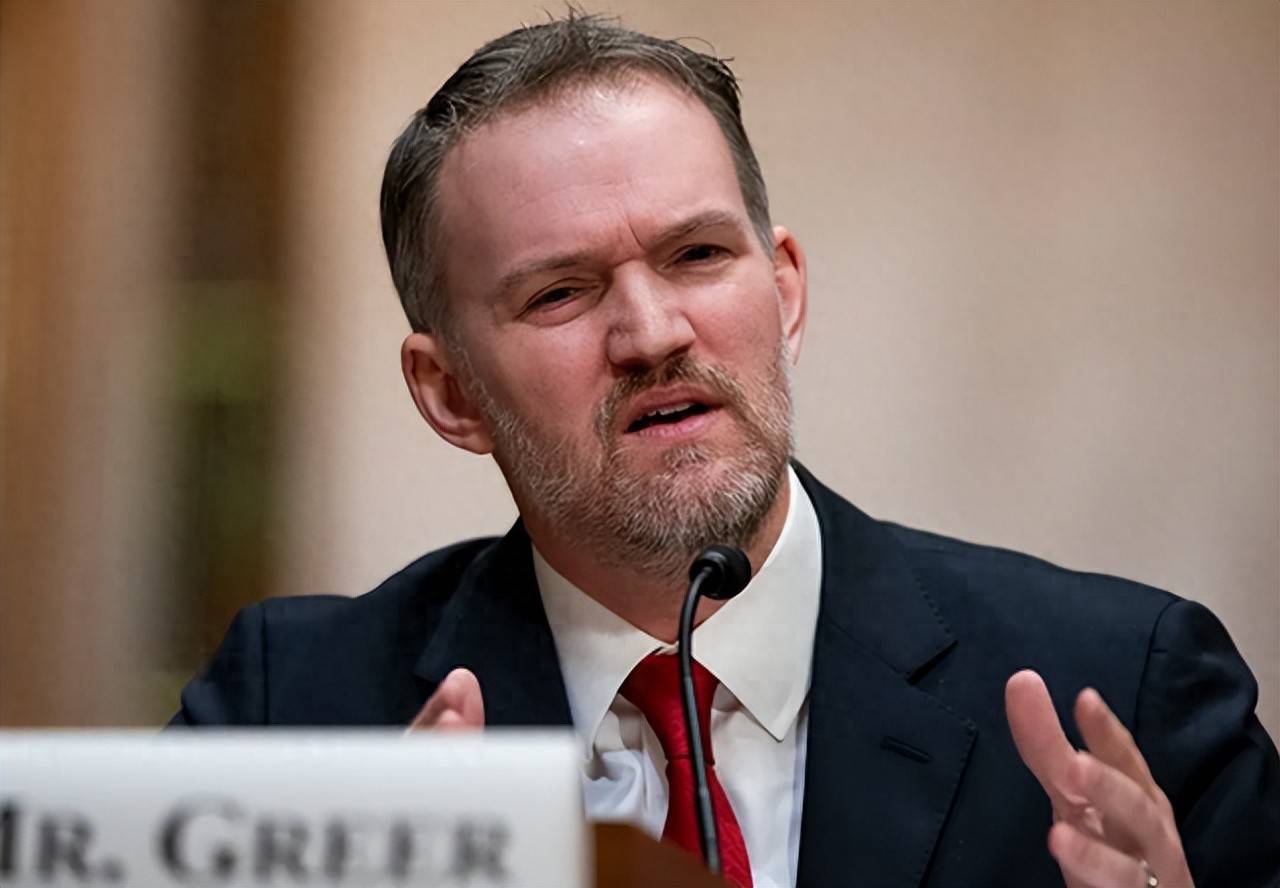
美国盟友懵了!刚配合围堵中国,就遭15%关税收割,中国却被豁免
Sou Hu Cai Jing· 2026-02-27 06:29
Core Viewpoint - The U.S. has decided to impose tariffs of 15% or more on most global trade partners while exempting China, marking a significant shift in trade policy and raising questions about the motivations behind this decision and its implications for U.S. allies [1][3][38]. Group 1: Tariff Policy Shift - On February 25, U.S. Trade Representative Tai announced a surprising decision to impose tariffs on most countries while exempting China, which shocked reporters present at the press conference [3][5]. - This reversal comes just days after the Trump administration threatened to impose a blanket 10% tariff on all imports, indicating a rapid change in strategy [5][11]. - The decision to not impose new tariffs on China is framed as a move to protect American consumers, but it is perceived as a retreat under pressure rather than a strategic adjustment [9][11]. Group 2: Domestic and International Pressures - The decision to exempt China is influenced by multiple pressures, including rising domestic prices that have increased the cost of living for American families by at least $1,000 annually due to previous tariffs [15][16]. - The U.S. government is also facing legal challenges, as the Supreme Court has limited the administration's ability to impose tariffs without proper legal justification [7][18]. - The potential for Chinese retaliation, particularly in critical supply chains like semiconductors and renewable energy, has made the U.S. cautious in its approach to China [20][22]. Group 3: Impact on Allies - The U.S. is now targeting allies such as the EU, Japan, and Canada with tariffs, using them as a means to address its own trade deficits and domestic pressures [38][40]. - This strategy may yield short-term concessions from allies but risks long-term damage to U.S. credibility and could accelerate divisions within the Western alliance [40][42]. - Allies are caught in a difficult position, needing U.S. security while also wanting to avoid being exploited economically, leading to a mixed and often weak response to U.S. tariff actions [44][46]. Group 4: Global Trade Dynamics - The U.S. decision to exempt China while targeting allies reflects a broader strategy of economic coercion, leveraging its market position to extract concessions from less powerful nations [30][38]. - The ongoing trend of "de-Americanization" is emerging as countries seek alternatives to U.S. dominance in global trade, indicating a potential shift in the international order [36][48]. - The inability of the U.S. to maintain its previous hegemonic status is evident as it resorts to tactics that may ultimately undermine its alliances and global standing [46][48].
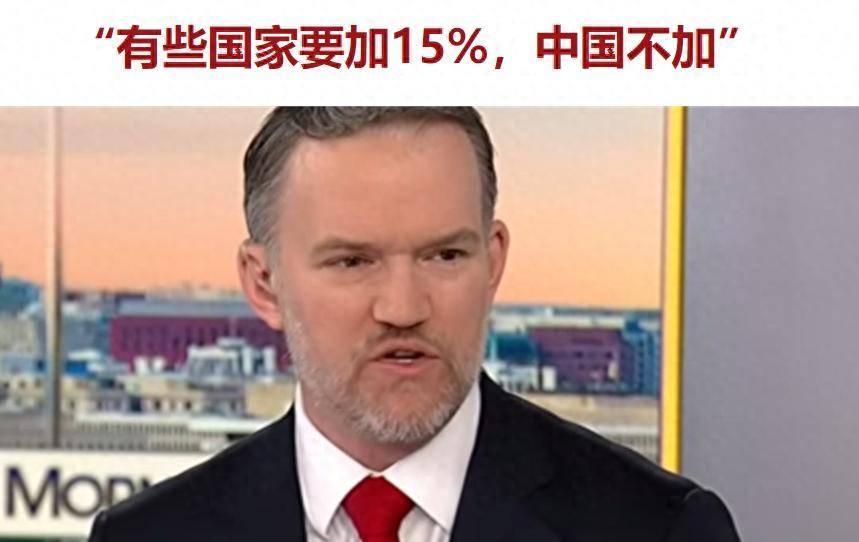
通州北关站、北运河西站停车场年内投用
Xin Jing Bao· 2026-02-27 01:28
Group 1 - The first event of the "Sub-center Changes" series was held on February 25, highlighting the rapid construction pace of the Canal Business District, with new skyline developments expected [1] - The Canal Business District has established a special task force for 11 key projects to expedite construction, with an anticipated completion area of 250,000 square meters this year [1] - The landmark building "Canal Sky" has successfully topped out at 249.9 meters, becoming a prominent feature alongside the historic Grand Canal [1] Group 2 - The business district is optimizing infrastructure by creating temporary parking areas around the Tongzhou Beiguan and Beiyunhe West subway stations, releasing 4,000 non-motorized vehicle parking spaces [2] - Two smart P+R parking lots are under construction, expected to provide over 4,100 parking spaces by the end of the year, enhancing the commuting experience with shared parking and rooftop gardens [2] - Nearly 80% of the planned 66 roads have been completed, with the North Ring Tunnel already operational, improving connectivity within the business district [2] Group 3 - The Canal Business District focuses on industry clustering and has engaged with 129 projects, attracting 75 key enterprises in technology and low-carbon sectors, enhancing its industrial aggregation effect [3] - The district has seen a new registered capital of 363 million yuan this year, including one enterprise with over 100 million yuan and 11 enterprises with over 10 million yuan [3] - Tax revenue for the Canal Business District is projected to reach 6.96 billion yuan in 2025, a 5.2% year-on-year increase, with expectations to grow to 7.5 billion yuan in 2026 [3]
美国关税“换马甲”不改单边主义本质
Qi Huo Ri Bao Wang· 2026-02-27 01:23
Core Viewpoint - The recent adjustment in U.S. tariff policy marks a significant shift from an "emergency state" approach to a more traditional trade law framework, while still continuing unilateral tariff measures [1] Group 1: U.S. Tariff Policy Changes - The U.S. has stopped imposing tariffs under the International Emergency Economic Powers Act (IEEPA) and has shifted to imposing additional import fees under Section 122 of the Trade Act of 1974 [1] - The new tariffs can be as high as 15% and are applicable for a maximum of 150 days, with the possibility of extension [1] - This change is seen as a response to legal challenges regarding the previous tariff measures, which lacked clear congressional authorization [1] Group 2: Impact on Global Trade - The use of unilateral measures by the U.S. undermines the multilateral trade system centered around the WTO, increasing institutional costs of trade [2] - The broad application of the Section 122 tariffs means that exporters globally will face increased cost pressures, potentially leading to a rise in intra-regional trade within North America, the EU, and ASEAN [2] - The cumulative effect of tariffs will significantly impact complex supply chains, particularly in industries like electronics and automotive parts [2] Group 3: Effects on China and Other Economies - China is expected to face rising export costs and pressure for some industries to relocate, but it retains strong economic resilience due to its large market and complete industrial system [3] - Traditional U.S. allies such as the EU, Japan, and South Korea will experience increased export costs, particularly in the automotive and machinery sectors, leading to potential retaliatory measures [3] - Resource-dependent developing countries may see fluctuations in commodity demand, exacerbating economic vulnerabilities due to the deteriorating global trade environment [3] Group 4: Broader Economic Implications - The adjustment in U.S. tariff policy, while reducing some extreme risks, still poses significant negative supply shocks with a 10% additional fee [4] - Increased import costs are likely to be passed on to consumers, complicating the Federal Reserve's monetary policy and suppressing long-term investment intentions [4] - Historical data suggests that a 1% increase in tariffs could lead to a 2% to 3% decrease in trade volume, potentially resulting in global trade growth lagging behind economic growth [4] Group 5: Call for Multilateral Trade System - The continuation of unilateralism poses systemic risks to global trade and economic growth, necessitating a collective effort to uphold the multilateral trade system centered around the WTO [5] - Countries are encouraged to resist unilateral protectionism and work towards an open world economy, which is essential for addressing current challenges and ensuring long-term development [5] - China should adopt a proactive open strategy, accurately assess the impacts of U.S. measures, and seek favorable conditions through negotiations while expanding high-level foreign trade openness [5]
环球圆桌对话:美“交易式威慑”遭遇三重悖论
Xin Lang Cai Jing· 2026-02-26 22:49
Core Viewpoint - The U.S. Supreme Court's ruling against the government's implementation of global "reciprocal tariffs" has raised concerns about the effectiveness of Washington's "transactional deterrence" strategy in international relations [2][3]. Group 1: U.S. Tariff Policy and Legal Challenges - The Supreme Court's decision directly undermines the legal foundation of the U.S. tariff policy, indicating that the government has overstepped its authority under the International Emergency Economic Powers Act (IEEPA) [2]. - Following the ruling, Washington quickly initiated a new 10% global import tariff, which was later increased to 15%, and is considering new "national security tariffs" on six industries [2][3]. - The ruling highlights the fragility of the legal legitimacy of U.S. tariff policies, as many economies are not yielding to U.S. pressure and are instead accelerating bilateral and regional trade agreements [3]. Group 2: Impact on Global Trade Relations - The "transactional deterrence" approach is facing diminishing returns, as the frequent use of threats has led to a depreciation of its effectiveness, similar to over-issued currency [3]. - Traditional allies of the U.S. are reassessing their dependence on Washington, with European nations and neighboring countries like Canada and Mexico strengthening ties with emerging economies [3][4]. - The credibility of U.S. commitments is eroding due to inconsistent application of tariffs and agreements, which undermines its ability to manage crises effectively [4]. Group 3: Structural Changes in Global Order - The erosion of the post-World War II international order, characterized by rules and multilateral negotiations, is being replaced by a "might makes right" mentality, forcing smaller nations to navigate between alignment and strategic counterbalancing [4]. - Countries, especially in the Global South, need to develop a multi-layered, systematic response to the normalization of "threat diplomacy" by the U.S. [4][5]. - In the medium to long term, nations should actively participate in reforming global governance systems and reshaping international rules, particularly in emerging fields like AI and outer space [5]. Group 4: Economic Implications of U.S. Tariff Policies - The unilateral high tariff policies of the U.S. are expected to create uncertainty in the development of a high-level open global economy and quality cooperation [8]. - The elasticity of export supply from various countries will significantly influence the effectiveness of tariff policies, potentially leading to trade shifts away from the U.S. [8]. - The impact of tariffs on consumer goods and industrial products in the U.S. could increase operational costs for domestic businesses, particularly affecting lower-income households [8]. Group 5: Future of U.S. Trade Policy - The U.S. government is likely to continue using tariff tools, as changing its approach would undermine the previous year's efforts to leverage tariffs as a deterrent [9][10]. - The Supreme Court ruling clarifies that tariffs are indeed taxes, which has implications for how tariffs are perceived and implemented [10]. - The new 15% tariff policy may benefit countries like Brazil, China, and India, while negatively impacting U.S. allies in Europe, particularly the UK [11].
【环球财经】削弱规则、增加变数——多国专家批评美关税政策冲击全球贸易环境
Xin Hua She· 2026-02-26 16:31
Group 1 - The U.S. Supreme Court ruled that the International Emergency Economic Powers Act does not authorize the president to impose large-scale tariffs, leading to the Trump administration's announcement of a 15% tariff on goods from all countries and regions, which increases global trade uncertainty [1][4] - Experts indicate that the core issue of the current tariff dispute is not the tax rate itself but the declining predictability of global trade rules, which undermines market trust [2][5] - The temporary nature of the tariffs, as implemented under the Trade Act of 1974, has not alleviated market anxiety but rather exacerbated uncertainty, with the execution of tariffs being inconsistent [4][7] Group 2 - The frequent changes in tariff policy are forcing companies to allocate resources to adapt to policy shifts rather than focusing on production and technological development, which could lead to reduced employment [2][6] - Companies, including at least ten Japanese firms, have filed lawsuits for tax refunds, indicating a significant legal and financial burden stemming from the tariff changes [3][4] - The uncertainty surrounding U.S. trade policies is prompting countries like the UK and Australia to diversify their trade partnerships to mitigate risks associated with reliance on U.S. policies [7][6]