国际规则体系

Search documents
斯洛伐克议员:美方觊觎格陵兰岛言论动摇国际秩序
Xin Lang Cai Jing· 2026-01-31 07:08
Core Viewpoint - The controversy surrounding Greenland is no longer just a territorial or security issue, but reflects deeper challenges in transatlantic relations, European strategic autonomy, and the international rules-based system [1] Group 1: International Relations and Trade - The actions of the U.S. to use trade tools for political pressure undermine the fundamental basis of the post-war international order and violate the spirit of international law [3] - The practice of "trade coercion" is increasingly prevalent in Europe, where trade relations are linked to geopolitical demands, weakening the rules-based international trade system that the U.S. once helped establish [5] - The current predicament of the EU is closely related to its long-term blind adherence to U.S. narratives, revealing a strategic naivety that has persisted for decades [7] Group 2: European Strategic Autonomy - Europe is paying the price for its blind acceptance of U.S. narratives, and this strategic naivety is now fully exposed [7] - There is a call for Europe to focus more on strategic autonomy and diversify its partnerships, including strengthening cooperation with China, which is seen as more stable and predictable in many areas [9] - The behavior of the U.S. damages trust between Europe and the U.S., indicating a shift towards using trade as a political tool rather than fostering cooperation with partners [9]

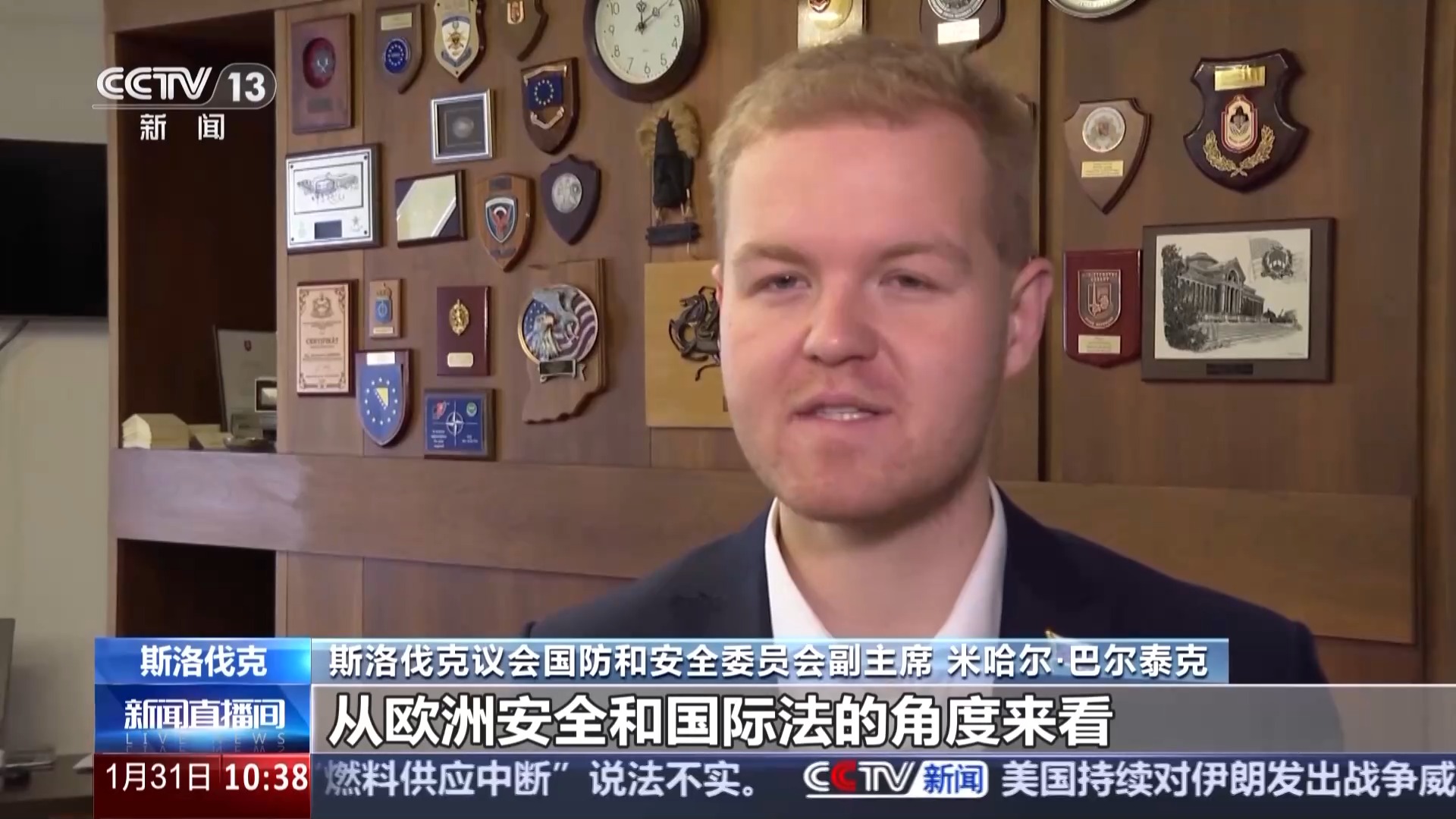
斯洛伐克议员批美国破坏国际秩序
Xin Lang Cai Jing· 2026-01-31 05:00
Core Viewpoint - The controversy surrounding Greenland is no longer just a territorial or security issue, but reflects deeper challenges in US-Europe relations, European strategic autonomy, and the international rules-based system [1] Group 1: Political Implications - The use of trade tools by the US to exert political pressure is seen as contrary to the spirit of international law [1] - This approach undermines the rules-based international trade system [1] Group 2: Strategic Context - The statements highlight the evolving dynamics of geopolitical relationships, particularly between the US and Europe [1] - The discussion indicates a shift towards recognizing broader strategic implications beyond immediate territorial disputes [1]
出大事了,特朗普宣布国家紧急状态,政府遭起诉,面临数千亿赔偿
Sou Hu Cai Jing· 2026-01-14 05:37
Core Viewpoint - The Trump administration is facing a complex array of domestic and international challenges, including legal battles over tariff policies, conflicts with state governments, and military actions in Venezuela, which have drawn widespread condemnation from the global community [1][3][19]. Domestic Issues - The Trump administration's tariff policy, enacted through an executive order bypassing Congress, has led to numerous legal challenges questioning its legality [5][19]. - A warning issued by Trump regarding potential financial repercussions from unfavorable Supreme Court rulings has intensified tensions between the executive and judicial branches [7][19]. - The administration's handling of immigration enforcement has sparked public outrage, leading to lawsuits from Democratic-led states like Minnesota and Illinois against the federal government [9][19]. Judicial and Federal Relations - The relationship between the Trump administration and the Federal Reserve has become strained, particularly following a subpoena issued to Fed Chairman Jerome Powell, which was perceived as political pressure [11][19]. - The ongoing power struggle between the executive branch and the judiciary, along with the involvement of bipartisan senators, complicates the situation further [19]. International Actions - The Trump administration's military intervention in Venezuela, aimed at seizing control of its oil resources, has faced significant international backlash, being labeled as an illegal invasion [13][15]. - Despite the lack of support from major oil companies for investment in Venezuela, Trump has insisted that U.S. oil firms should engage directly with the government rather than the Venezuelan authorities [17][19]. Broader Implications - The administration's approach, characterized by a preference for unilateral action over legal frameworks, raises concerns about the potential erosion of constitutional checks and balances in the U.S. [20][22]. - The ongoing domestic and international crises could lead to a significant shift in the global order and legal systems if the current trajectory continues [20][22].