资产负债表(扩表与缩表)

Search documents
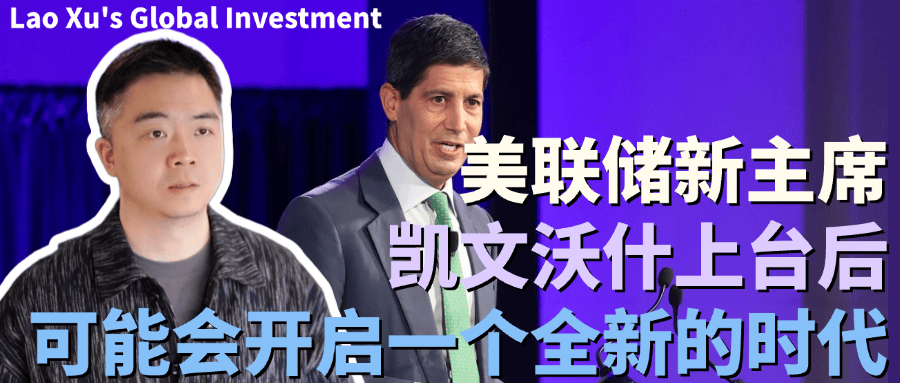
哈佛老徐:美联储新主席凯文沃什上台后可能会开启一个全新的时代
Sou Hu Cai Jing· 2026-02-06 01:22
Group 1 - The core point of the article is the nomination of Kevin Warsh as the next Federal Reserve Chairman by Trump, which has caused market volatility due to Warsh's "hawkish" reputation [2][4] - The market's reaction is not merely about Warsh's identity but signals a potential change in monetary policy rules, which has led to confusion and fear among investors [4][30] - Warsh's background includes a strong academic record and significant experience in the financial system, but his critical stance on continued quantitative easing (QE) during the financial crisis sets him apart [8][11][12] Group 2 - Warsh emphasizes that the Federal Reserve's primary tools are interest rates and the balance sheet, arguing that excessive reliance on balance sheet expansion has not effectively benefited the real economy [19][21] - He believes that traditional economic models linking interest rate cuts to inflation are outdated, as they fail to account for rapidly changing productivity driven by technology, particularly AI [22][24] - The potential for AI to significantly enhance productivity by 2026-2027 could lead to a scenario where inflation dynamics are fundamentally altered, challenging existing economic assumptions [27][36] Group 3 - Trump's choice of Warsh reflects a need for a leader who understands new variables in the economy, suggesting that it is possible to lower interest rates while controlling inflation [28][36] - The initial market decline following the announcement indicates that investors are pricing in a future where economic rules may differ significantly from the past [30] - The article warns that during periods of rule changes, investors should avoid being swayed by short-term market fluctuations and focus on long-term strategies [31][34]