
控制通胀

Search documents
哈佛老徐:美联储新主席凯文沃什上台后可能会开启一个全新的时代
Sou Hu Cai Jing· 2026-02-06 01:22
Group 1 - The core point of the article is the nomination of Kevin Warsh as the next Federal Reserve Chairman by Trump, which has caused market volatility due to Warsh's "hawkish" reputation [2][4] - The market's reaction is not merely about Warsh's identity but signals a potential change in monetary policy rules, which has led to confusion and fear among investors [4][30] - Warsh's background includes a strong academic record and significant experience in the financial system, but his critical stance on continued quantitative easing (QE) during the financial crisis sets him apart [8][11][12] Group 2 - Warsh emphasizes that the Federal Reserve's primary tools are interest rates and the balance sheet, arguing that excessive reliance on balance sheet expansion has not effectively benefited the real economy [19][21] - He believes that traditional economic models linking interest rate cuts to inflation are outdated, as they fail to account for rapidly changing productivity driven by technology, particularly AI [22][24] - The potential for AI to significantly enhance productivity by 2026-2027 could lead to a scenario where inflation dynamics are fundamentally altered, challenging existing economic assumptions [27][36] Group 3 - Trump's choice of Warsh reflects a need for a leader who understands new variables in the economy, suggesting that it is possible to lower interest rates while controlling inflation [28][36] - The initial market decline following the announcement indicates that investors are pricing in a future where economic rules may differ significantly from the past [30] - The article warns that during periods of rule changes, investors should avoid being swayed by short-term market fluctuations and focus on long-term strategies [31][34]

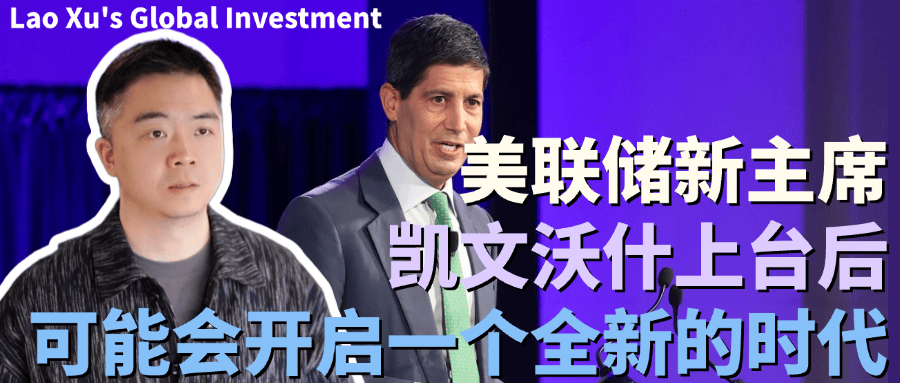
全新美联储主席,对美股到底意味着什么?
美股研究社· 2026-02-02 11:06
Core Viewpoint - The article discusses the implications of Trump's nomination of Kevin Warsh as the next Federal Reserve Chairman, highlighting market reactions to inflation data and the potential impact on monetary policy [5][7][18]. Group 1: Market Reactions - The announcement of Warsh's nomination coincided with the release of December PPI inflation data, which showed a year-over-year increase of 3.0%, exceeding expectations, while core PPI rose to 3.3%, marking the largest monthly increase in six months [7][9]. - Following these developments, the dollar index surged by 0.9%, the largest increase in nearly eight months, while precious metals experienced significant declines, with gold dropping below $4900 and silver seeing intraday losses exceeding 30% [9][11]. - The market's reaction was influenced by the crowded positioning in gold, as a Bank of America survey indicated that being long on gold had become the most crowded trade globally [11]. Group 2: Kevin Warsh's Background - Kevin Warsh served as a Federal Reserve Governor from 2006 to 2011 and is known for his criticism of the Fed's loose monetary policies, advocating for a return to price stability [15][17]. - His nomination was anticipated, as he was seen as a frontrunner among candidates, and his strong academic and practical background is viewed favorably by Wall Street [17]. Group 3: Historical Context and Market Logic - The article draws parallels to the 1970s inflation crisis, where a lack of central bank independence led to a loss of market trust, ultimately requiring a hawkish approach to restore credibility [21][22]. - Trump's nomination of Warsh is seen as a strategy to stabilize expectations through a credible figure, allowing for more flexible policies in the future [24]. Group 4: Policy Outlook - Warsh's past statements suggest he favors adjusting the Fed's balance sheet to manage excess liquidity, which could create room for future rate cuts [27]. - If confirmed, Warsh's policies may not immediately open a "rate cut window," but his approach could be beneficial for long-term asset allocation and risk appetite [28]. Group 5: Long-term Implications - Understanding the core logic of the market is deemed more important than chasing short-term fluctuations, as Warsh's nomination represents a long-term strategy to build central bank credibility [30]. - The article suggests that Warsh's leadership could provide a more stable policy foundation, enhancing market confidence and paving the way for a more robust monetary policy shift in the future [30][33].
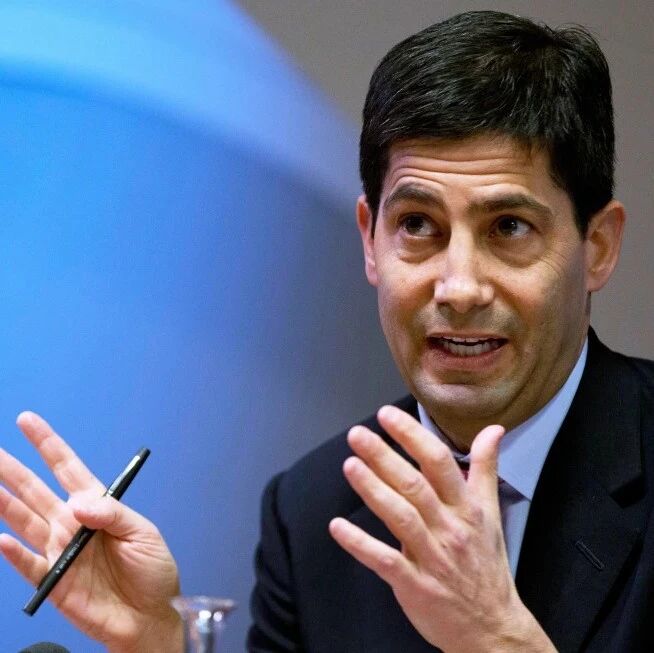
市场分析:凯文·沃什若被提名为美联储主席 美元有望重新焕发生机
Sou Hu Cai Jing· 2026-01-30 04:24
Core Viewpoint - The assessment of Kevin Warsh's potential leadership at the Federal Reserve is influenced by his past views, which are seen as a positive sign for the U.S. market facing rising risk premiums [1] Group 1: Background and Experience - Warsh served as a Federal Reserve Governor from 2006 to 2011, a period that included the credit boom, the 2008 financial crisis, and the early recovery phase [1] - His comments during this time focused on credibility, restraint, and institutional constraints in shaping monetary policy [1] Group 2: Monetary Policy Views - Warsh has expressed skepticism about maintaining prolonged loose monetary policies and has publicly opposed aggressive balance sheet policies [1] - He has a high tolerance for market volatility if it helps maintain price discovery mechanisms [1] Group 3: Economic and Institutional Leadership - Controlling inflation is viewed by Warsh as a prerequisite for sustainable growth, rather than a variable factor optimized for employment [1] - His recent comments are particularly relevant for the market and the U.S. dollar, reflecting investor concerns about institutional credibility and government risk [1] - Warsh emphasizes that the economic and institutional leadership of the U.S. is fundamental to the dollar's status as a reserve currency, which he believes is a privilege earned through credibility, not a negotiable asset [1]
美联储巴尔金:力求在控制通胀的同时推动就业增长
Sou Hu Cai Jing· 2026-01-06 13:33
Core Viewpoint - The Richmond Fed President emphasizes the delicate balance between controlling inflation and promoting job growth, noting that while the unemployment rate remains low historically, hiring activity is currently sluggish [1] Group 1: Economic Conditions - Policymakers are closely monitoring both inflation and employment as they aim to achieve their dual mandate [1] - Inflation levels have been above target for nearly five years, raising concerns about the potential entrenchment of high inflation expectations [1] Group 2: Future Outlook - The Richmond Fed President anticipates that tax cuts and regulatory rollbacks will stimulate economic growth this year [1] - With the end of the government shutdown, official data will resume publication, allowing policymakers to gain a clearer understanding of economic conditions in the coming months [1] - There is an expectation for more reliable economic data to emerge in the upcoming weeks, which will aid in deeper analysis and understanding [1]
特朗普最新抨击美联储主席,称他很想解雇杰罗姆·鲍威尔,1亿美元装修费引发的权力战争:特朗普为什么要死磕美联储主席?
Sou Hu Cai Jing· 2025-12-30 04:55
Core Viewpoint - The ongoing conflict between President Trump and Federal Reserve Chairman Powell centers around the rising costs of the Federal Reserve's headquarters renovation, which has escalated from an initial budget of $1.9 billion to $2.5 billion, highlighting a broader power struggle over U.S. economic policy and monetary independence [1][3]. Group 1: Renovation Costs and Economic Policy - Trump has criticized the Federal Reserve's renovation costs, claiming they are excessive, while he himself has increased the budget for a new White House banquet hall from $200 million to $400 million [1][3]. - The Federal Reserve attributes the cost overruns to unforeseen circumstances such as asbestos contamination and higher-than-expected groundwater levels [3]. - Trump believes that high interest rates set by the Federal Reserve hinder economic growth and increase corporate financing costs, while Powell maintains that high rates are necessary to address inflation and employment [3][5]. Group 2: Legal and Institutional Challenges - Trump faces significant legal hurdles in attempting to dismiss Powell, as the Federal Reserve Act protects the chairman from being removed without just cause, which includes gross negligence [5]. - The Supreme Court has historically upheld the independence of the Federal Reserve, making it difficult for the president to remove the chairman based solely on policy disagreements [5]. - Trump's previous attempts to challenge the independence of the Federal Reserve include the dismissal of a board member, which was later overturned by a federal appeals court [5]. Group 3: Potential Candidates for Federal Reserve Leadership - The list of potential candidates to succeed Powell includes Kevin Hassett, who supports interest rate cuts, and Kevin Warsh, who is seen as more hawkish regarding inflation control [6]. - Other candidates mentioned are current Federal Reserve board members and executives from major financial institutions [6]. Group 4: Historical Context and Implications - Historical precedents show that presidential pressure on the Federal Reserve can lead to negative economic outcomes, such as the inflation crisis of the 1970s [9]. - Current economic conditions, including rising tariffs and their impact on prices, complicate the situation, with predictions of short-term price increases due to Trump's trade policies [9]. - The independence of the Federal Reserve is crucial for maintaining trust in the U.S. dollar, and any successful intervention in monetary policy could lead to a loss of confidence among investors and accelerate de-dollarization globally [9].
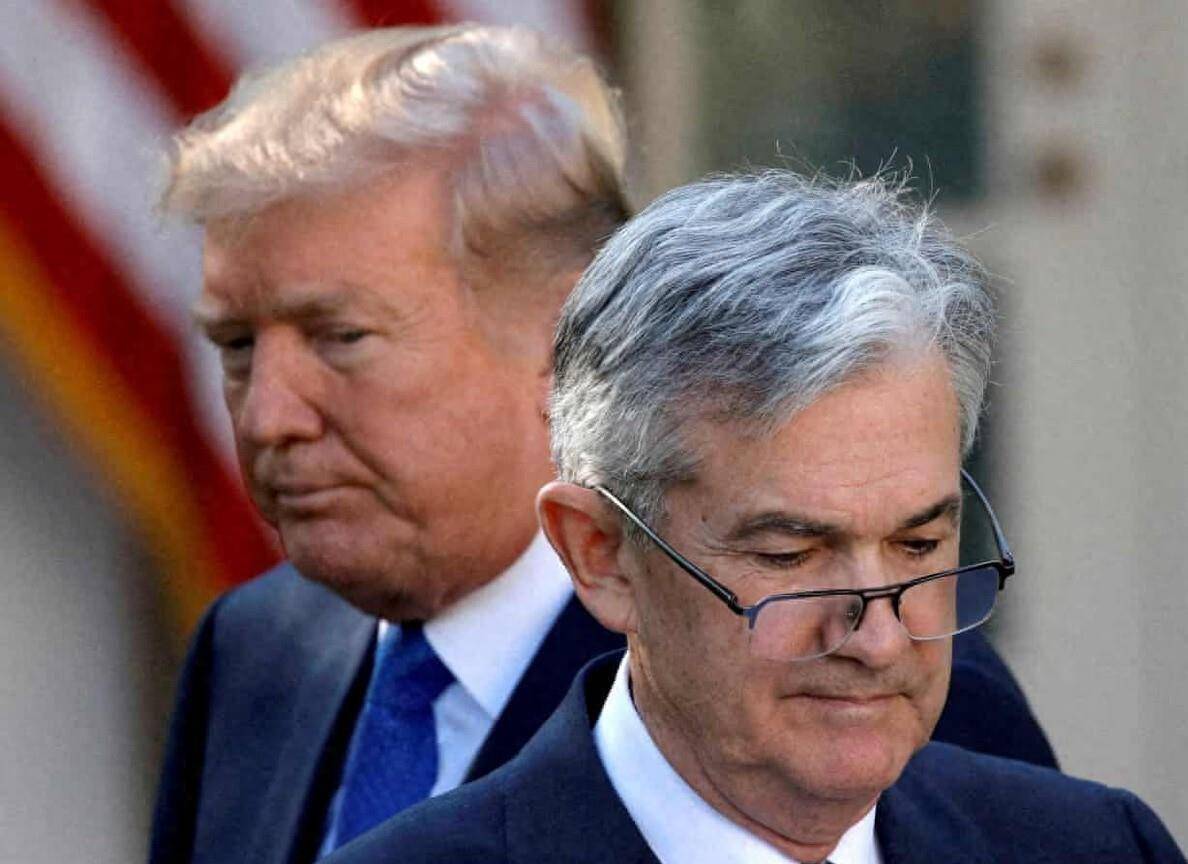
美联储卡什卡利:利率有下行空间 但未明确降息时机
Xin Hua Cai Jing· 2025-09-03 23:54
Core Viewpoint - The Minneapolis Federal Reserve President Neel Kashkari indicated that there is room for the Federal Reserve to lower short-term benchmark interest rates in the near term, although he did not provide a specific timeline for policy easing [1] Group 1: Economic Conditions - The U.S. economy is experiencing a cooling process, but Kashkari does not predict an economic recession [1] - There are sufficient reasons to believe that the current economic slowdown will continue and evolve in a moderate manner [1] Group 2: Interest Rate Outlook - Kashkari estimates the neutral federal funds rate to be around 3%, suggesting that there is potential for rate decreases in the coming years [1] - His statements support market expectations for the Federal Reserve to initiate a loosening cycle [1] Group 3: Monetary Policy Challenges - Current monetary policy faces complex challenges, with inflation levels still above target despite a decline [1] - The labor market is showing signs of cooling, including slowing job growth and a slight increase in the unemployment rate [1] - Kashkari emphasized the need for careful balancing between controlling inflation and maintaining full employment [1] Group 4: Economic Data and Market Expectations - Recent economic data indicates a weakening growth momentum in the U.S., particularly with significant contraction in manufacturing activity [1] - This has heightened market expectations that the Federal Reserve may start lowering interest rates in the upcoming September or November meetings [1]
特朗普又想动鲍威尔?贝森特:现在动手只会双输
Sou Hu Cai Jing· 2025-07-21 09:18
Group 1 - The core issue revolves around President Trump's attempts to remove Federal Reserve Chairman Jerome Powell, which has been met with resistance from Treasury Secretary Mnuchin, who argues that the economy is performing well and that such a move could be counterproductive [1][3] - Mnuchin highlighted that the Federal Reserve is already signaling potential interest rate cuts by the end of the year, suggesting that Trump's actions may be unnecessary [1] - The potential legal ramifications of removing Powell were discussed, indicating that such a move could lead to a prolonged legal battle, ultimately delaying any changes in leadership at the Federal Reserve [3] Group 2 - Trump's advisors are aware of the complications that could arise from removing Powell, including the possibility of a leadership vacuum if the Senate is not able to confirm a new appointee in time [5] - Instead of a direct removal, Trump's team is considering a strategy of waiting for upcoming vacancies to fill positions with candidates more aligned with his views, thereby avoiding immediate confrontation [5] - The White House budget director, Vought, has initiated a campaign to investigate the Federal Reserve's renovation expenses, aiming to undermine Powell's credibility and create a public perception that could pressure him to resign [7][8] Group 3 - The ongoing situation is characterized as a battle for public perception rather than just a monetary policy dispute, with Trump employing various tactics to weaken Powell's public trust [7][8] - The dynamics involve Trump wanting to take action, Mnuchin advising caution, the advisory team being cautious, and Vought actively working to undermine Powell's reputation [8]
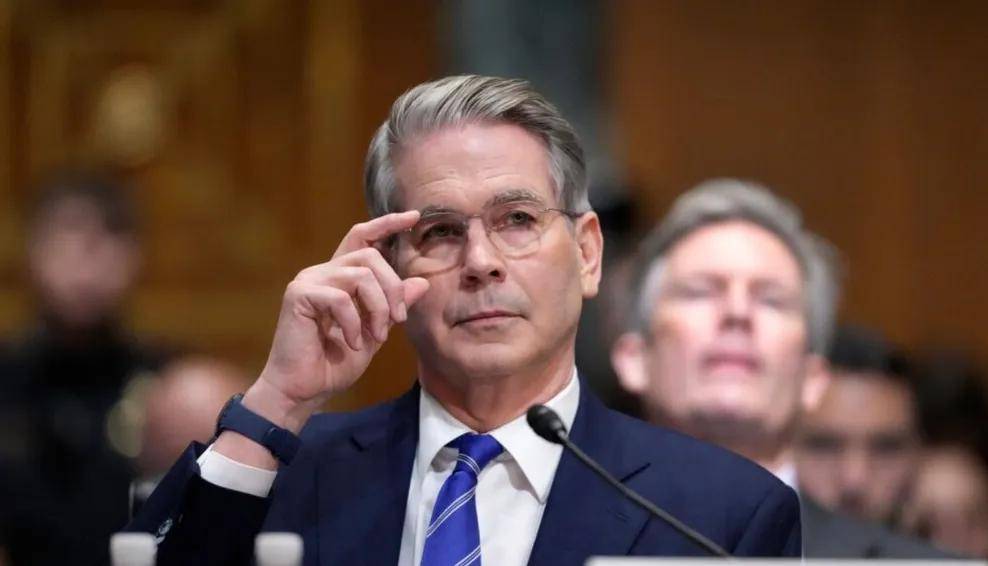
美联储主席鲍威尔:我们将完成控制通胀的任务。
news flash· 2025-06-24 16:52
Core Viewpoint - The Federal Reserve Chairman Jerome Powell emphasized the commitment to completing the task of controlling inflation [1] Group 1 - The Federal Reserve is focused on achieving its inflation control objectives, indicating a strong stance on monetary policy [1]