
资本市场监管升级

Search documents
证监会重拳出击!一夜三家被罚,开年已22家公司被立案或处罚
2 1 Shi Ji Jing Ji Bao Dao· 2026-02-07 13:36
Core Viewpoint - The recent regulatory actions in the capital market indicate a rapid and stringent response chain from investigation to punishment, highlighting a "zero tolerance" approach to market misconduct [2][3]. Group 1: Regulatory Actions - On February 6, three listed companies were named by the China Securities Regulatory Commission (CSRC) or local securities regulatory authorities: Yahui Long and Tiansheng New Materials were subjected to investigation, while ST Funi received an administrative penalty notice [3]. - As of February 7, 2026, a total of 8 listed companies have been investigated by the CSRC, averaging one case every five days [3]. - There have been 16 companies that received administrative penalty notices or prior notifications, averaging one case every three days [3]. Group 2: Nature of Violations - The issues involved in these regulatory actions are diverse, including financial fraud, market manipulation, misleading statements, significant omissions, fund occupation, and violations of information disclosure [3]. - The regulatory environment is becoming increasingly detailed, with a focus on more specific and hidden flaws in information disclosure, such as misleading statements and significant omissions [3]. - There is an intensified crackdown on malicious behaviors like market manipulation [3].



12个部门联手整治股市!
Jing Ji Wang· 2026-01-07 01:49
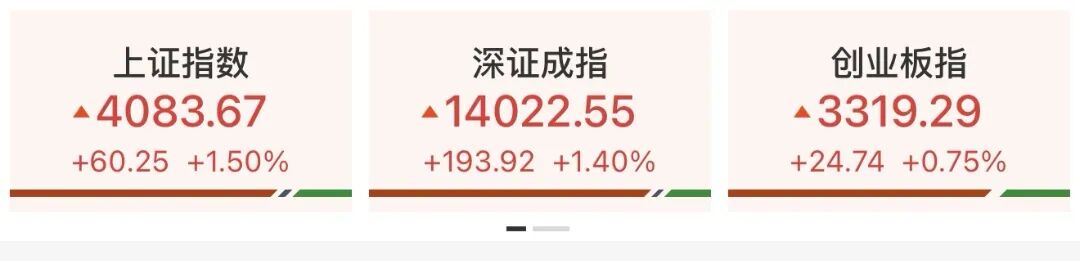
Core Viewpoint - The meeting led by the China Securities Regulatory Commission (CSRC) aims to combat financial fraud in the capital market through a collaborative effort involving 12 government departments, indicating a significant shift in regulatory approach towards financial misconduct [2][5]. Group 1: Meeting Overview - The meeting included 12 departments, such as the Supreme People's Court, the Supreme People's Procuratorate, and the Ministry of Finance, highlighting a strong governmental response to financial fraud [1][5]. - The Shanghai Composite Index rose by 1.5% to 4083.67 points on January 6, reflecting positive market sentiment in response to the meeting [3]. Group 2: Regulatory Focus - The focus of the meeting is on "punishing the principal offenders and striking at the accomplices," which includes not only the companies committing fraud but also intermediary institutions like accounting firms and law firms [7][9]. - Historically, penalties were primarily directed at the companies involved, while intermediaries often faced lighter consequences or were overlooked entirely [10][11]. Group 3: Future Regulatory Trends - The regulatory approach is evolving to include a multi-faceted accountability system, combining administrative penalties, high civil damages, criminal accountability, and integrity joint punishment [14]. - Investigations will continue for companies that have already delisted, ensuring that escaping legal responsibility through delisting is no longer viable [14]. - Enhanced data sharing and collaboration among departments will increase the likelihood of detecting fraudulent activities across various hidden aspects, such as fund flows and tax declarations [14].

重锤落下!上市公司造假“帮凶”遭重罚,幕后黑手无处遁形
2 1 Shi Ji Jing Ji Bao Dao· 2025-10-10 12:48
Core Viewpoint - The recent ruling in the Huahong Jitong case marks a significant step in holding accomplices of financial fraud accountable in China's capital market, indicating a shift towards stricter enforcement against those who facilitate financial misconduct [1][2][3] Summary by Relevant Sections Case Details - Huahong Jitong, which was delisted in 2023 due to severe financial fraud, had its auditing firm, Lixin Accounting Firm, fined over 1.55 million yuan [1] - Three related parties—Shanghai Yidian, Zhongjing Fudian, and Shanghai Zhongka—were ordered to bear joint liability for investor losses, with compensation responsibilities ranging from 10% to 20% [1][2] Legal Implications - The ruling sets a precedent with a higher liability percentage compared to previous cases, such as the Saiwei Intelligent case, where the liability was only 3% [2][3] - The case illustrates a growing trend where third parties involved in financial fraud are increasingly subject to significant penalties, indicating that aiding in fraud will incur heavy costs [2][3] Regulatory Developments - Regulatory bodies are enhancing their oversight through improved legal frameworks, inter-departmental collaboration, and information-sharing systems [1][4][6] - The introduction of the "Securities Company Supervision and Management Regulations" aims to empower regulatory authorities to investigate and penalize third parties involved in financial fraud [5][6] Enforcement Mechanisms - A new mechanism for transferring leads on suspected accomplices to relevant authorities has been established, enhancing the enforcement of regulations against financial fraud [6] - The establishment of a reporting system for third-party accomplices is intended to create a coordinated regulatory effort across different sectors [6][7] Overall Impact - The combination of legal improvements, collaborative enforcement, and significant case rulings is expected to create a robust regulatory environment that deters financial fraud in the capital market [7]