超剥削

Search documents
罢工潮撕碎美国梦,加州教授悲叹:我们全是高级打工人
Sou Hu Cai Jing· 2025-11-22 07:15
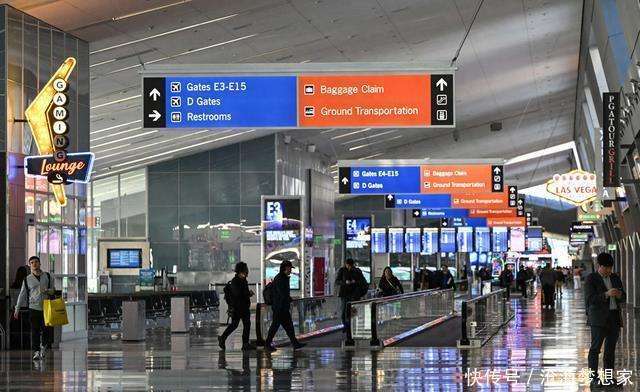
Core Viewpoint - The upcoming strike by nearly 400 food service workers at Harry Reid International Airport in Las Vegas highlights the ongoing struggles of low-wage workers in the service industry, who face long-term low pay and lack of legal protections [1][2][4] Group 1: Labor Conditions in the Service Industry - Service industry workers are among the lowest-paid groups in the U.S. and often work overtime without adequate compensation [1][2] - The concept of "super-exploitation" describes the situation where workers' wages are insufficient for basic living, leading to excessive work hours and poor working conditions [1][4] - The service sector is labor-intensive, and productivity gains are slow, limiting its contribution to overall economic growth [2][4] Group 2: Historical Context and Structural Issues - The rise of the service industry is linked to the decline of manufacturing jobs since the 1970s, with many displaced workers moving into low-wage service roles [1][2] - Service work has historically been viewed as a marginal or exceptional phenomenon, but it should be recognized as a persistent structural form of wage labor [2][4] - The lack of legal protections for service workers, such as exemptions from the Fair Labor Standards Act, has perpetuated exploitation based on race and gender [4][6] Group 3: The Gig Economy and Its Implications - The gig economy is often perceived as a modern phenomenon, but it has historical roots and is characterized by a significant increase in independent contractors, especially post-2007-2008 financial crisis [4][6] - The exploitation of gig workers has been exacerbated by technology and the trend towards de-skilling, making their labor conditions more precarious [4][6]