超大规模

Search documents
“2030年,中国有望实现8个‘超大规模’”
Guan Cha Zhe Wang· 2025-12-03 01:08
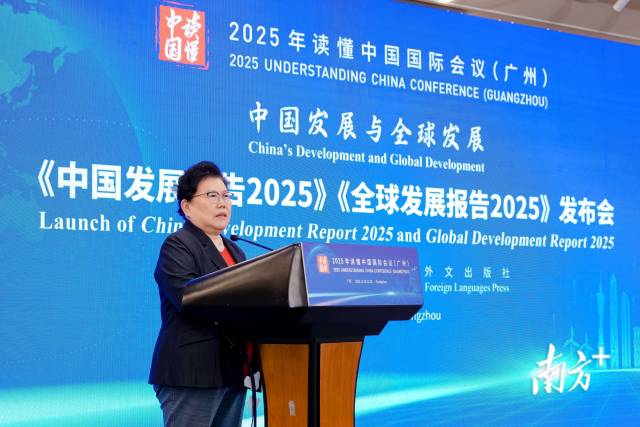
Core Insights - The conference highlighted China's ambitious goals for 2030, predicting significant economic growth and development across various sectors [1][2][3] Economic Growth - By 2030, China's GDP is projected to reach 190 trillion yuan, with a purchasing power parity estimate of 53 trillion USD, solidifying its status as a major global economy [1] - The country aims to establish itself as the largest entity economy, focusing on strengthening its real economy amidst a global trend of virtual economic expansion [1] Market Development - China's market size is expected to grow from 700 trillion yuan in 2024 to 1,070 trillion yuan by 2030, driven by a 6% annual growth rate [1] - The formation of a unified socialist market is anticipated, enhancing economic integration and efficiency [1] Urbanization and Infrastructure - China plans to develop super-large urban clusters, with three world-class city clusters identified: the Guangdong-Hong Kong-Macao Greater Bay Area, Beijing-Tianjin-Hebei, and the Yangtze River Delta [2] - By 2030, it is expected that five cities will achieve a GDP of 5 trillion yuan, contributing to local economic sustainability and competitiveness [2] Strategic Initiatives - The Belt and Road Initiative has fostered deeper international cooperation, serving as a strategic foundation for China's foreign relations and geopolitical positioning [2] - The focus on addressing domestic challenges is seen as essential for contributing to global stability and certainty [2][3] Governance and Reform - The need for improved national governance and timely implementation of reform measures is emphasized, with over 300 reform initiatives proposed [3] - Addressing social issues such as education, healthcare, and elderly care is crucial for enhancing the quality of life and supporting sustainable development [3]
陈文玲:2030年,中国有望实现8个“超大规模”
Guan Cha Zhe Wang· 2025-12-02 11:38
Core Insights - The article discusses China's potential economic growth and development strategies outlined by Chen Wenling, emphasizing the country's ambition to become a super-large economy by 2030 [1][3][4] Economic Predictions - By 2030, China's GDP could reach 190 trillion yuan, with a purchasing power parity estimate of 53 trillion USD, solidifying its status as a super-large economy [1] - China aims to establish itself as a super-large entity in the real economy, focusing on strengthening its industrial base amidst a global trend of financialization [1] - The market size is projected to grow from 700 trillion yuan in 2024 to 1,070 trillion yuan by 2030, indicating a significant expansion of the unified socialist market [1] Urban Development - China is expected to form super-large urban clusters, with three world-class city clusters planned: the Guangdong-Hong Kong-Macao Greater Bay Area, Beijing-Tianjin-Hebei, and the Yangtze River Delta [3] - By 2030, it is anticipated that five cities will achieve a GDP of 5 trillion yuan, enhancing local economic sustainability and overall urban competitiveness [3] Strategic Initiatives - The Belt and Road Initiative has fostered deeper international cooperation over the past 12 years, serving as a strategic depth for developing countries and reshaping geopolitical relationships [3] Challenges and Reforms - China faces various existing and emerging challenges, including avoiding the pitfalls of excessive financialization seen in Western economies and ensuring a balance between supply and demand in the unified market [4] - The urgency of implementing over 300 reform measures proposed during the Third Plenary Session is highlighted, with a focus on improving national governance capabilities [4] - Ongoing improvements in people's livelihoods, particularly in education, healthcare, and elderly care, are essential for sustainable development [4]