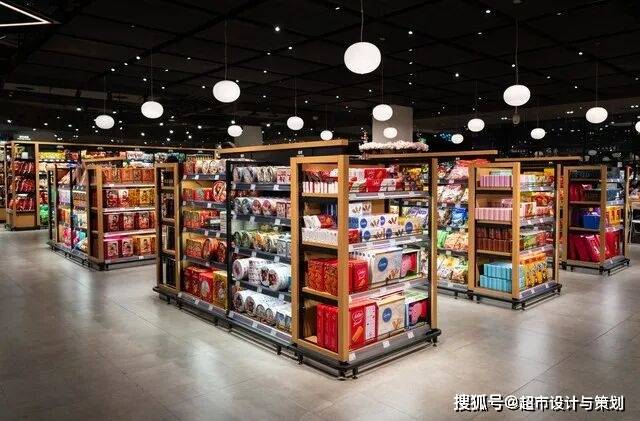
超市布局

Search documents
超市布局遇到的每一个问题,解决之道,都来自运营的智慧!
Sou Hu Cai Jing· 2025-11-28 11:16
Core Insights - The layout of supermarkets is fundamentally linked to their positioning and operational strategies, rather than merely being a design issue [3] - Different retail formats, such as hypermarkets, convenience stores, and discount stores, require unique layout designs based on their operational logic and customer needs [3] Group 1: Layout Design Considerations - Supermarket layout should be designed to facilitate the operational requirements of specific product categories, such as fresh produce, which may need water supply and ventilation [3] - The design must also adapt to current trends, ensuring that fresh products are positioned effectively to enhance customer experience [3] - A well-planned customer flow is essential to avoid dead ends and ensure a smooth shopping experience, which can lead to increased sales [5] Group 2: Customer Experience and Operational Efficiency - Product placement should follow logical principles to align with consumer habits, preventing missed sales opportunities due to poor product arrangement [5] - Functional areas within the supermarket should be organized for customer convenience, such as placing weighing stations centrally in fresh produce sections [5][6] - Monitoring of cold chain equipment should be centralized to ensure quick identification of operational issues, thereby protecting customer interests [6] Group 3: Importance of Alignment Between Design and Operations - Discrepancies between layout design and operational positioning can hinder supermarket performance, necessitating a reevaluation of layout strategies [8] - Aesthetic considerations in layout design should not overshadow the primary goals of customer satisfaction and sales performance [8] - The ultimate solution to layout issues often stems from operational insights, emphasizing the importance of integrating design with operational wisdom [8]