超市运营

Search documents
零食月度渠道跟踪
2026-02-02 02:22
Company and Industry Summary Company: Wei Long Key Financial Performance - Wei Long's combined assessment target for January-February 2026 is approximately 1.6 billion yuan, with 70%-80% completion achieved so far, and an expected shipment volume of about 400 million yuan in February, leading to a target achievement rate of over 90% [1][3] - Overall sales growth in January 2026 reached approximately 41%, with the shipment period extended to 25 days compared to the previous year [2][3] - The sales revenue for the konjac category in January 2026 was about 710 million yuan, showing a significant year-on-year increase from 470 million yuan [8] Product Performance - The spicy strips category saw a year-on-year growth of about 15%, while the konjac and vegetable categories grew over 60% [2][4] - Gift box products performed better than expected during the 2026 Spring Festival, with popular price ranges from 9.9 yuan to 59.9 yuan, particularly the 29.9 yuan gift box [5] - The company plans to increase revenue from noodle products by approximately 5% in 2026, supported by new product launches and sales strategies [11] Marketing and Sales Strategies - Wei Long increased its market investment expenses by about 20% in January-February 2026 compared to the fourth quarter, focusing on advertising for konjac products [9] - The company is enhancing its sales strategies in traditional distribution channels and KA stores, with a focus on improving conversion rates and encouraging the sale of higher-priced products [6] - New SKUs, such as the porcini product, have been introduced into leading snack channels, contributing to the sales target [7] Competitive Landscape - Wei Long and its competitor Yan Jin increased their marketing expenditures during the Spring Festival, with Yan Jin's investment being notably higher [9] - The overall market share for the konjac snack market in 2025 was approximately 8 billion yuan, with Wei Long, Yan Jin, and Que Ya Chi holding over 65% of the market share [18] Future Outlook - The company anticipates that the sales of gift box products will normalize in the coming quarters, with lower-priced boxes maintaining stable demand while higher-priced boxes may not sustain high sales [13] - Wei Long plans to strengthen its focus on the spicy strips category, but the investment strategy will depend on the growth of high-performing categories like konjac [14] Additional Insights - The average daily sales level for the "Hao Xiang Lai" stores in North China was about 400,000 yuan in Q4 2025, reflecting an 8% year-on-year decline, though the decline has narrowed [20][21] - The company is exploring ways to improve the sales performance of its seaweed products, with plans to increase market penetration and promotional efforts [17] This summary encapsulates the key points from the conference call, highlighting Wei Long's financial performance, product strategies, competitive landscape, and future outlook in the snack food industry.
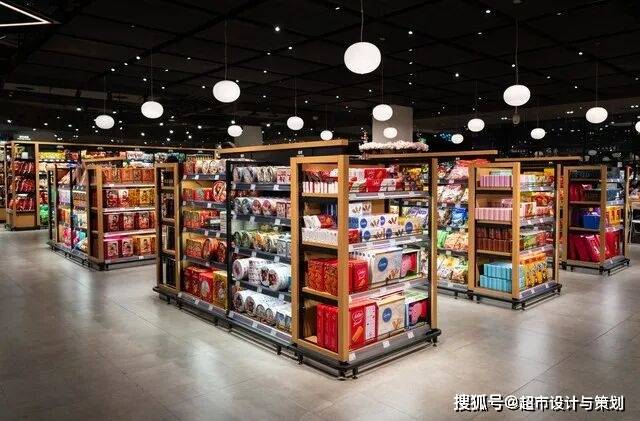
超市布局遇到的每一个问题,解决之道,都来自运营的智慧!
Sou Hu Cai Jing· 2025-11-28 11:16
Core Insights - The layout of supermarkets is fundamentally linked to their positioning and operational strategies, rather than merely being a design issue [3] - Different retail formats, such as hypermarkets, convenience stores, and discount stores, require unique layout designs based on their operational logic and customer needs [3] Group 1: Layout Design Considerations - Supermarket layout should be designed to facilitate the operational requirements of specific product categories, such as fresh produce, which may need water supply and ventilation [3] - The design must also adapt to current trends, ensuring that fresh products are positioned effectively to enhance customer experience [3] - A well-planned customer flow is essential to avoid dead ends and ensure a smooth shopping experience, which can lead to increased sales [5] Group 2: Customer Experience and Operational Efficiency - Product placement should follow logical principles to align with consumer habits, preventing missed sales opportunities due to poor product arrangement [5] - Functional areas within the supermarket should be organized for customer convenience, such as placing weighing stations centrally in fresh produce sections [5][6] - Monitoring of cold chain equipment should be centralized to ensure quick identification of operational issues, thereby protecting customer interests [6] Group 3: Importance of Alignment Between Design and Operations - Discrepancies between layout design and operational positioning can hinder supermarket performance, necessitating a reevaluation of layout strategies [8] - Aesthetic considerations in layout design should not overshadow the primary goals of customer satisfaction and sales performance [8] - The ultimate solution to layout issues often stems from operational insights, emphasizing the importance of integrating design with operational wisdom [8]