
超越光伏

Search documents
隆基持续发声COP30:破解能源三重困境的关键在于构建光伏、储能与氢能的三元循环体系
中国能源报· 2025-11-19 11:23
Core Viewpoint - The article emphasizes the importance of transitioning to a resilient zero-carbon energy system, highlighting that solar power alone is insufficient for achieving this goal. The integration of solar, storage, and hydrogen technologies is essential for creating a sustainable energy ecosystem [1][3][4]. Group 1: Solar Energy Development - The cost of solar power has decreased by over 90% in the past decade, making it the most economical energy source in many regions, thus laying a solid foundation for energy transition [1]. - The global renewable energy sector is growing rapidly, with a projected annual growth rate of 3%, and solar and wind power leading this transformation [4]. Group 2: Energy Transition Challenges - The article outlines a "triple dilemma" facing the global energy system: ensuring energy security while balancing equity and environmental sustainability [3][4]. - Despite 70% of the global energy system committing to carbon neutrality, innovative solutions are needed to address these challenges [3]. Group 3: Technological Integration - The vision of "Renewable Infinity" is based on the deep integration of solar, storage, and hydrogen technologies, creating a self-renewing and interconnected energy ecosystem [3][4][5]. - The demand for energy storage is expected to grow exponentially, with global storage capacity projected to reach 1,100 GWh by 2030, which is crucial for maintaining grid stability [5]. Group 4: Guiding Principles for Energy Ecosystem - The company proposes six guiding principles for achieving the vision of "Unlimited Renewables," including innovation, system integration, and ensuring that clean energy is accessible to all [6]. - The commitment to lead the transition to a new energy era emphasizes the importance of a circular energy system that prioritizes sustainability and equity [6].


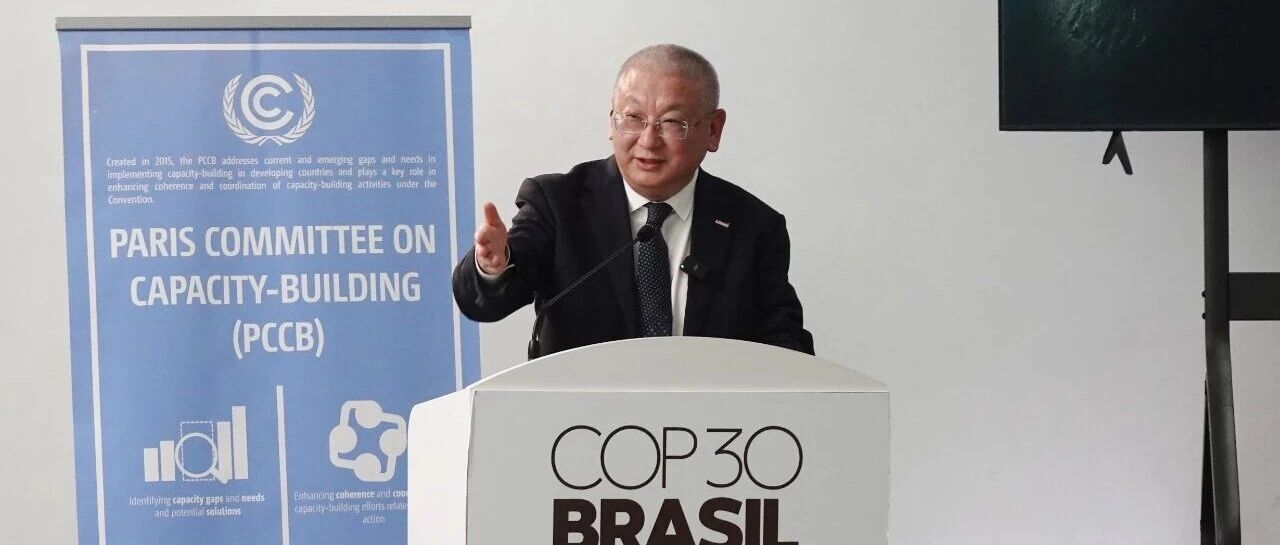
隆基持续发声COP30:破解能源三重困境的关键在于构建光伏、储能与氢能的三元循环体系
Jing Ji Guan Cha Wang· 2025-11-19 06:52
Core Insights - The article emphasizes the importance of transitioning to a resilient zero-carbon energy system, highlighting that relying solely on clean electricity is insufficient for achieving this goal [1][2][3] Group 1: Renewable Energy Transition - The cost of photovoltaic (PV) power generation has decreased by over 90% in the past decade, making it the most economical power source in most regions [1] - The global energy system is facing a "triple dilemma" of ensuring energy security while balancing energy equity and environmental sustainability [2] - Clean energy is projected to become the largest energy source globally by the mid-2030s under net-zero scenarios, with renewable energy growing at an annual rate of 3% [3] Group 2: Technological Foundations - The vision for a sustainable energy future relies on three technological pillars: PV, energy storage, and hydrogen [4] - Energy storage systems are crucial for providing 24/7 renewable energy supply, with global storage capacity expected to reach 1,100 GWh by 2030 [4] - Green hydrogen is seen as a key solution for deep decarbonization in sectors that are hard to electrify, such as industry and heavy transport [4] Group 3: Strategic Principles - The company proposes six guiding principles for achieving the vision of "Renewable Infinity," including innovation, system integration, and open collaboration [5] - The commitment is to lead the transition to a new energy era that emphasizes sustainability and shared benefits for all [5]