超重和肥胖

Search documents
国家不让你长胖!中国再登全球榜首,2050年或将“更胖”
GLP1减重宝典· 2025-07-15 09:32
Core Viewpoint - The article highlights the alarming global obesity crisis, particularly emphasizing China's leading position in the number of overweight and obese individuals, and the urgent need for effective interventions to combat this growing health threat [3][4][5][13]. Global Obesity Crisis - As of 2021, nearly half of the global adult population is affected by overweight or obesity, with China having the highest number at 402 million [3][7]. - The obesity rates have significantly increased from 1990 to 2021, with female obesity rates rising by 104.9% and male rates by 155.1% [10]. - The health burden associated with obesity is severe, with 3.71 million deaths attributed to overweight and obesity in 2021, leading to a loss of 129 million disability-adjusted life years (DALYs) [4][5]. Future Predictions - By 2050, the number of overweight and obese individuals globally is projected to reach 3.8 billion, with 1.95 billion classified as obese. China is expected to have 627 million overweight or obese individuals [13][14]. - The prevalence of obesity is anticipated to rise by 30.7% over the next 30 years, with nearly 60% of adults projected to be overweight or obese by 2050 [14]. - Specific regions, particularly sub-Saharan Africa, are expected to see the fastest growth in obesity rates, with Nigeria's overweight and obesity population projected to increase by 287.4% [13][14]. Demographic Insights - The peak age for overweight and obesity is around 50 years in various regions, with notable differences in gender distribution across different areas [9]. - In high-income regions, males generally have higher obesity rates than females, while in many other regions, females tend to have higher rates [9]. Urgency for Intervention - The article stresses the necessity for immediate and effective interventions to curb the obesity epidemic, as it poses a significant risk for non-communicable diseases such as diabetes, cardiovascular diseases, and cancer [5][14].

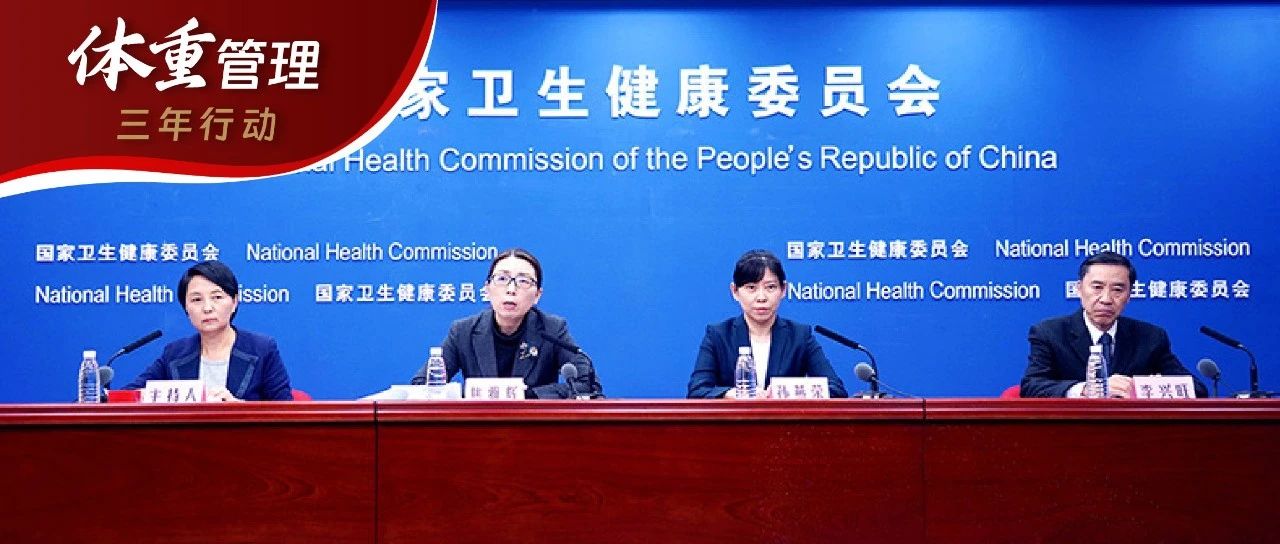
胖,真能引发百病?国家卫健委启动“体重管理年”三年攻坚行动
GLP1减重宝典· 2025-07-06 07:11
Core Viewpoint - The article emphasizes the launch of a three-year "Weight Management Year" initiative by the National Health Commission to promote healthy living and address the rising obesity rates in China [3][5]. Group 1: Background and Context - The initiative is part of the "Healthy China 2030" strategy, aiming to create a supportive environment for weight management nationwide [5]. - The prevalence of overweight and obesity among Chinese adults is alarming, with over half of the adult population classified as overweight (34.3%) or obese (16.4%) [11]. - The report predicts that by 2030, the obesity rate among adults in China could reach 65.3% [11]. Group 2: Health Risks Associated with Obesity - Obesity is linked to various chronic diseases, including hypertension, diabetes, cardiovascular diseases, and certain cancers [5][12]. - The World Health Organization identifies obesity as the fifth leading risk factor for global health [12]. - Medical expenses related to overweight and obesity in China are projected to reach 418 billion RMB by 2030, accounting for 21.5% of national healthcare costs [12]. Group 3: Guidelines for Weight Management - The article outlines the definition of overweight and obesity based on Body Mass Index (BMI) standards, with a BMI of 24-28 classified as overweight and 28 or above as obese [7]. - It stresses the importance of personal responsibility in managing weight and adopting a healthy lifestyle [5][23]. - Effective weight management should follow three principles: safety, effectiveness, and comprehensive prevention [22]. Group 4: Strategies for Weight Loss - The core principle of weight loss is to consume fewer calories and increase physical activity, creating a negative balance in fat storage [21]. - The article encourages immediate action to enhance health awareness and suggests that the use of GLP-1 medications could help reverse the obesity trend in the next decade [22].