
体重管理

Search documents
爱美客:业绩承压,关注产品迭代放量节奏-20260324
Southwest Securities· 2026-03-24 10:20
Investment Rating - The report does not provide a specific investment rating for the company, but it indicates a focus on product iteration and growth potential in the future [1]. Core Insights - The company, Aimeike (爱美客), experienced a revenue decline of 18.94% in 2025, with total revenue of 2,452.62 million yuan and a net profit attributable to the parent company of 1,291.02 million yuan, down 34.05% year-on-year [7]. - The report highlights the pressure on core products, particularly solution and gel categories, which saw revenue declines of 27.48% and 26.82% respectively due to macroeconomic conditions and industry competition [7]. - New product contributions include 208 million yuan from the newly launched AestheFill product and expectations for further growth from upcoming products like Powerfill and a minoxidil solution approved in September 2025 [7][8]. - The company plans to increase investment in research and development, particularly in the area of semaglutide products for weight management [7]. Financial Summary - Revenue projections for 2026-2028 are as follows: 2,794.22 million yuan in 2026 (up 13.93%), 3,199.54 million yuan in 2027 (up 14.51%), and 3,555.44 million yuan in 2028 (up 11.12%) [2]. - Net profit forecasts for the same period are 1,477.14 million yuan in 2026 (up 14.42%), 1,711.13 million yuan in 2027 (up 15.84%), and 1,936.69 million yuan in 2028 (up 13.18%) [2]. - The report anticipates earnings per share (EPS) to increase from 4.27 yuan in 2025 to 6.40 yuan in 2028, with corresponding price-to-earnings (PE) ratios decreasing from 28 to 19 [2][10]. Business Segment Performance - Revenue from solution injection products is expected to recover with growth rates of 8.1% in 2026, 7.1% in 2027, and 6.1% in 2028, while gel products are projected to grow at similar rates [9]. - The newly introduced freeze-dried powder products are expected to see significant growth, with revenue increasing by 64.8% in 2026 and 52.3% in 2027 [9]. - Other business segments are also projected to perform well, with expected revenue growth rates of 35% in 2026, 25% in 2027, and 15% in 2028 [9].

速递|明星口服减重药误当作“美容捷径”!专家这样提醒
GLP1减重宝典· 2026-03-07 15:54
Core Viewpoint - The recent approval of oral semaglutide, a GLP-1 class drug, by the FDA for weight management has reignited public interest in easier weight loss methods [6] Mechanism of Action - Semaglutide does not directly burn fat; instead, it acts as a GLP-1 analog that regulates blood sugar and energy metabolism by promoting insulin secretion, inhibiting glucagon release, and delaying gastric emptying, which reduces hunger and food intake [8] - The oral formulation requires higher doses due to lower absorption efficiency in the gastrointestinal tract and has strict administration requirements, such as taking it on an empty stomach with minimal water [8] Clinical Indications - Current weight loss prescription drugs in China primarily consist of GLP-1 class medications, suitable for individuals with a BMI ≥ 28 or BMI ≥ 24 with obesity-related conditions [9] - The only over-the-counter weight loss drug available is orlistat, which has notable tolerance and side effect issues [9] - New-generation weight loss drugs targeting multiple pathways show potential but require ongoing observation for long-term safety and tolerance [9] Risks and Management - The emergence of oral formulations raises concerns about drug misuse, particularly among individuals with normal weight seeking rapid weight loss, which can lead to adverse health effects [9] - Weight management should not solely rely on medication; lifestyle changes such as dietary adjustments, regular exercise, and adequate sleep are essential for sustainable weight control [10] Sustainable Weight Management - The focus of weight loss should extend beyond just reducing numbers on the scale to preserving muscle mass and maintaining metabolic health through adequate protein intake and resistance training [10] - Any medication use should be under medical supervision, with a clear strategy for weight maintenance post-medication [10]


Zealand Pharma (OTCPK:ZLDP.Y) Update / briefing Transcript
2026-03-05 20:32
Zealand Pharma Conference Call Summary Company Overview - **Company**: Zealand Pharma - **Product**: Petrelintide, an amylin analog - **Partnership**: Co-development and co-commercialization with Roche Key Industry Insights - **Obesity Treatment Landscape**: - Obesity is a significant healthcare challenge with a treatment penetration of only 3% to 5% in the U.S. - Current therapies primarily focus on GLP-1 based treatments, which have limitations in long-term treatment persistence and weight maintenance [5][6] Core Findings from Phase 2 ZUPREME-1 Trial - **Weight Loss Results**: - Petrelintide demonstrated double-digit weight loss, with mean weight loss ranging from 8.7% to 10.7% from baseline over 42 weeks [12][18] - No weight loss plateau was observed, indicating potential for continued weight loss with extended treatment [12][18] - **Tolerability and Safety**: - Petrelintide exhibited a placebo-like tolerability profile, with low rates of gastrointestinal adverse events [16][17] - No episodes of vomiting were reported in participants treated with the maximally effective dose [17][18] - Approximately 70% of participants on the maximally effective dose did not report any gastrointestinal adverse events [17] - **Demographics of Trial Participants**: - The trial included 493 participants with a balanced gender distribution, mean body weight of 107 kg, average BMI of 37 kg/m², and mean age of 47 years [11] - Female participants achieved approximately 6 percentage points more weight loss than male participants on a placebo-adjusted basis [14] - **Geographic Variations**: - Participants from the EU experienced approximately 3 percentage points greater weight loss compared to those from U.S. study sites [15][66] Future Development Plans - **Phase 3 Trial Expectations**: - Zealand Pharma plans to initiate the Phase 3 program in the second half of 2026, aiming for mid-teen percentage weight loss while maintaining tolerability [19][90] - The design will focus on optimizing conditions to enhance clinical response and long-term treatment adherence [19][90] - **Combination Therapy Potential**: - There is confidence in Petrelintide's role as both a monotherapy and in combination with CT-388, with the latter expected to enhance treatment outcomes [42][44] Market Positioning and Strategy - **Target Market**: - Petrelintide aims to redefine the weight management experience, focusing on sustainable weight loss and maintenance rather than just rapid weight loss [20][92] - The product is positioned as a foundational first-choice therapy for individuals living with overweight and obesity, addressing the need for a tolerable treatment option [20][92] Additional Considerations - **Regulatory and Competitive Landscape**: - The trial design will consider regulatory requirements for diverse populations and previous exposure to weight loss medications [52][62] - The competitive landscape includes multiple amylin programs, with ongoing evaluations of Petrelintide's efficacy and safety compared to other therapies [72][84] Conclusion - Zealand Pharma's Petrelintide shows promise as a leading treatment option in the obesity market, with a strong focus on tolerability and sustained weight loss. The upcoming Phase 3 trials will be crucial in validating its efficacy and establishing its market position against existing therapies.
速递|从减重到慢病治理:两会盯上院外管理,GLP-1进入监管深水区
GLP1减重宝典· 2026-03-05 15:00
Core Viewpoint - The article emphasizes that obesity is no longer just a lifestyle issue but a chronic disease that requires long-term intervention, with significant economic costs associated with it, projected to reach approximately 1 trillion RMB by 2025 in China [4]. Group 1: Policy and Economic Impact - The discussion around weight management has gained momentum, shifting from mere slogans to focusing on building a comprehensive system, payment mechanisms, and outpatient services [4]. - Recommendations from representatives include establishing a continuous service system for chronic diseases and optimizing social security arrangements for conditions like diabetes [4]. Group 2: Challenges in Outpatient Management - There are structural contradictions in weight management, such as an emphasis on advocacy over service and a focus on inpatient care rather than outpatient care [6]. - Experts highlight the need for institutional support and technological empowerment for self-management of chronic diseases, rather than relying solely on individual willpower [6]. Group 3: Legislative and Preventive Measures - Local initiatives are being proposed to integrate weight management into chronic disease management assessments and enhance early screening and intervention in schools [6]. - The city of Hangzhou has taken a step further by incorporating weight management into local regulations to promote reasonable diet, exercise, and public service provision [6]. Group 4: Risk Management and Patient Rights - Discussions at the national level include the establishment of a risk-sharing system for adverse events related to innovative drugs and devices, with calls for legal frameworks to address these risks [7]. - The proposal includes creating a mandatory risk reserve fund and involving independent third parties for professional evaluation of serious adverse reactions [7].
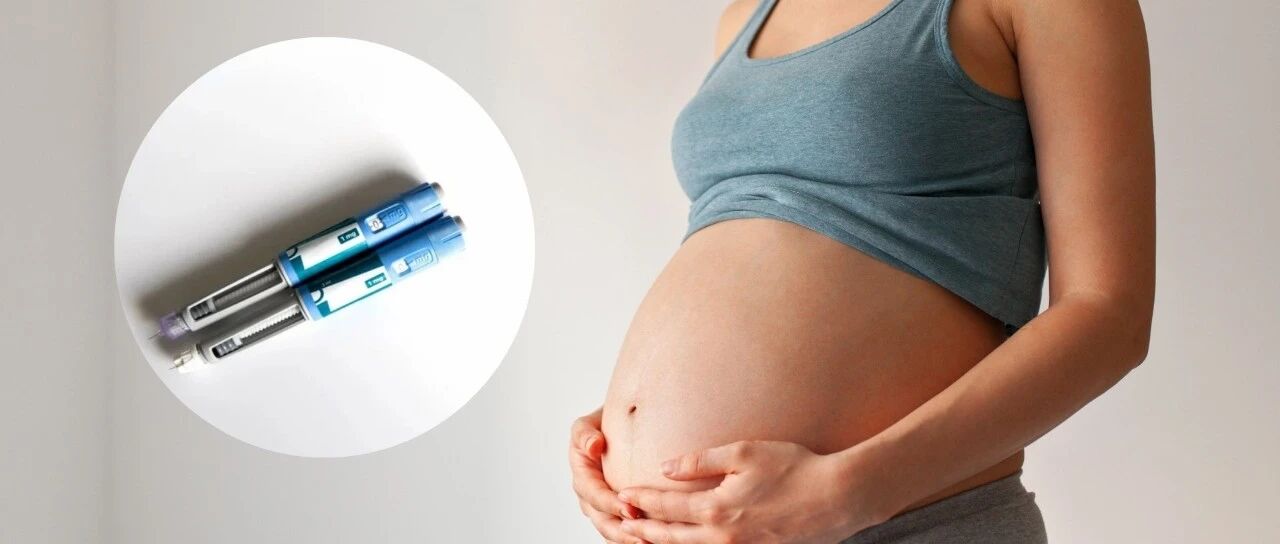
用着司美格鲁肽,突然发现怀孕了?别慌,先把这几步做对
GLP1减重宝典· 2026-02-26 04:08
Core Viewpoint - The article discusses the implications of using Semaglutide, a GLP-1 receptor agonist, during pregnancy, highlighting the risks of unintended pregnancy and the necessary precautions for women using this medication [5][6]. Group 1: Semaglutide Overview - Semaglutide is a GLP-1 receptor agonist that improves blood sugar levels, reduces appetite, and delays gastric emptying, making it useful for treating type 2 diabetes and weight management [6]. - There is insufficient data on the safety of Semaglutide during pregnancy, leading to conservative clinical recommendations against its use during this period [6]. Group 2: Risks of Unintended Pregnancy - The likelihood of unintended pregnancy while using Semaglutide is increased due to several factors, including irregular ovulation in women with obesity or PCOS, gastrointestinal side effects affecting oral contraceptive absorption, and a lack of long-term contraceptive planning [8]. - Women using Semaglutide should prioritize contraception as a necessary safety measure if they do not plan to conceive [8]. Group 3: Recommendations for Pregnancy Planning - It is advised to stop using Semaglutide at least two months before attempting to conceive to minimize the risk of early embryo exposure to the drug [9]. - This recommendation aims to distance the fertilization and early embryonic development stages from the potential drug exposure window [9]. Group 4: Actions After Unintended Pregnancy - Upon discovering an unintended pregnancy, the first step is to stop Semaglutide and seek professional evaluation, noting the last injection date, dosage, and purpose of the medication [10]. - It is crucial not to discontinue all diabetes medications without professional guidance, especially for those with pre-existing conditions like diabetes or abnormal glucose tolerance [10]. Group 5: Monitoring and Management During Pregnancy - Regular prenatal checks should focus on key screening points, including early pregnancy assessments for chromosomal abnormalities and mid-pregnancy structural ultrasounds [11]. - Continuous monitoring of maternal metabolic status and fetal growth is essential, as underlying conditions like obesity and insulin resistance pose more significant risks than the medication itself [11]. - Post-discontinuation of Semaglutide, it is important to manage weight and metabolic health proactively to avoid complications during pregnancy [11].
体重管理纳入健康四川行动
Xin Lang Cai Jing· 2026-02-25 18:57
Core Viewpoint - The article highlights the increasing prevalence of overweight and obesity in Sichuan, prompting the implementation of a health weight management initiative as part of the "Healthy Sichuan Action" to improve public health outcomes [1][2] Group 1: Health Statistics - The overweight and obesity rates among children and adolescents in Sichuan are reported at 13.37% and 8.73% respectively, while the rates for residents aged 18 and above are 36.02% and 15.39% [1] - Chronic diseases linked to overweight and obesity, such as cardiovascular diseases, diabetes, and certain cancers, pose significant public health threats [1] Group 2: Action Plan Goals - The "Health Weight Management Special Action Plan (2026-2030)" aims to establish a supportive environment for health weight management, enhance professional service systems, and improve public awareness and skills related to healthy weight management by 2030 [1][2] - The plan seeks to slow the rising trend of overweight and obesity rates and improve the weight status of key populations [1] Group 3: Implementation Strategies - The initiative includes creating health-themed parks, walking paths, and various health-focused community and family environments, along with the installation of smart fitness equipment and monitoring stations [2] - It encourages the establishment of low-salt, low-fat, and low-sugar food sections in supermarkets and online platforms, as well as the promotion of healthier Sichuan cuisine by food enterprises [2] - The plan supports the opening of health lifestyle clinics in medical institutions and the integration of health weight management into family doctor services [2]
2025年医美平台消费榜单解码:玻尿酸成功守擂,超声炮“失速”
Mei Ri Jing Ji Xin Wen· 2026-02-24 12:14
Core Insights - The Chinese medical beauty market is experiencing a significant transformation in 2025, marked by a notable divergence in the performance of various brands within the regenerative filling materials sector, with "Zhenai Su Fei" leading with a 463% growth while "Yiyan Shi" saw a 56% decline [1][2] - The market is witnessing a "Matthew Effect," where leading brands are consolidating their positions, while smaller brands struggle to survive [1][10] Regenerative Filling Materials - Regenerative filling materials have become the "MVP" of the year, with a 93.40% increase in sales in 2025, continuing a three-year growth trend [2] - "Zhenai Su Fei" from Aimeike achieved the highest growth rate at 463%, while "Yiyan Shi" faced a significant decline of 56% [2][3] - The performance of "Yiyan Shi" is attributed to its early market entry, but its novelty has worn off, leading to decreased consumer interest [3] Market Dynamics - The market is increasingly competitive, with new brands and materials entering, but consumers tend to prefer established brands for their reliability [4] - The sales of the once-popular ultrasonic device have dropped significantly, with a 55.2% decline in 2025, as consumers are opting for newer products and are more budget-conscious [4][5] Equipment and Technology - The "Meila Meisu" ultrasonic knife has emerged as a leading anti-aging device, with a 147.22% increase in sales, appealing to users over 35 seeking non-invasive treatments [4][5] - The ultrasonic device is transitioning from a "market dividend period" to a "technical barrier period," indicating a shift in competitive dynamics [5][7] Hyaluronic Acid - Hyaluronic acid remains a top-selling product, with a 19.70% increase in sales in 2025, maintaining its status as a staple in the market [8] - Despite its growth, hyaluronic acid faces challenges such as market oversupply and price wars, which could weaken its position in the long term [8][9] Future Growth Areas - The market is shifting towards specialized treatments, with a focus on individual needs and the emergence of new segments like collagen reorganization and hair loss treatment, which are expected to see significant growth [10][11] - The collagen reorganization market is projected to grow at a compound annual growth rate of 41.4% from 2023 to 2027, indicating strong potential [10]
“每逢佳节胖三斤” 健康过节到底怎么吃才好?
Xin Lang Cai Jing· 2026-02-16 03:38
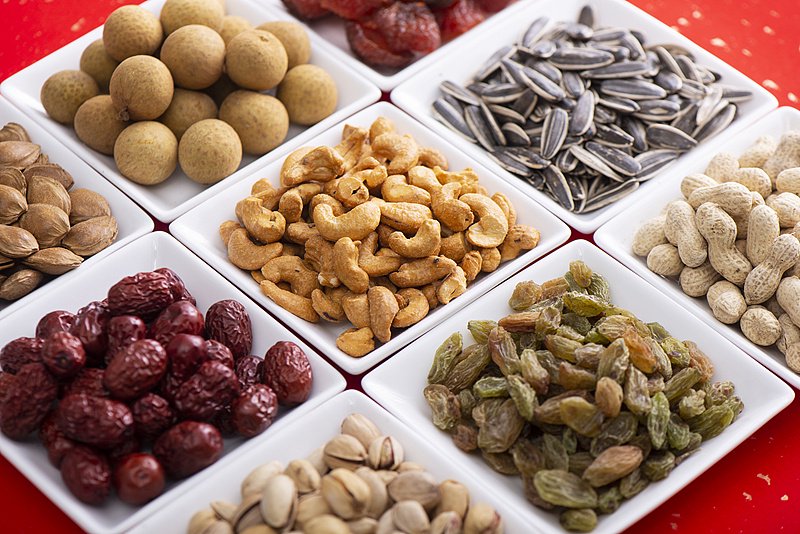
Core Viewpoint - The article emphasizes the importance of healthy eating during the Spring Festival, highlighting the need to balance festive indulgence with health considerations to avoid gastrointestinal issues and other health risks. Group 1: Health Risks of Common Snacks - Many popular holiday snacks, such as flavored sunflower seeds and dried fruits, contain high levels of salt and sugar, which can exceed recommended daily limits [3][5] - For instance, 100g of flavored sunflower seeds can contain 2 to 3 grams of salt, while 50g of preserved plums may have 15 to 20 grams of sugar [3][5] - The Chinese dietary guidelines recommend that daily sugar intake should not exceed 25 grams and salt intake should not exceed 5 grams [3] Group 2: Dietary Recommendations - It is advised to consume salty and oily foods in moderation, as they can lead to health issues such as hypertension and increased cardiovascular risks [5][7] - A balanced approach to meals is recommended, starting with vegetables, followed by protein sources like shrimp and fish, and limiting fatty meats and fried foods [7] - Monitoring weight and maintaining a healthy lifestyle through exercise is crucial during the holiday season [7] Group 3: Gastrointestinal Health Concerns - Gastrointestinal diseases are more prevalent during the Spring Festival, often due to foodborne illnesses or overeating [8] - Individuals with pre-existing conditions such as gallstones or high cholesterol should be particularly cautious to avoid acute pancreatitis and cholecystitis [8] - The article stresses the importance of enjoying the holiday while maintaining a focus on healthy eating habits to enhance overall well-being [8]
管理体重,不止于“少吃多动”
Xin Lang Cai Jing· 2026-02-06 22:00
Core Viewpoint - The article discusses the implementation of a three-year action plan for weight management in Jiangsu Province, focusing on strategies to help youth and working adults manage their weight effectively and promote healthier lifestyles [1][2]. Group 1: Youth Weight Management - Jiangsu's health system has integrated weight management, dietary nutrition, and physical activity knowledge into regular education for middle and primary schools [1][3]. - A "monitoring-education-support" strategy is recommended for youth, incorporating innovative health education methods in schools, such as experiential nutrition education [2][3]. - The province has established 566 weight management clinics, serving over 600,000 people, to create a sustainable weight management service system [3]. Group 2: Workplace Weight Management - Suggestions for workplace weight management include optimizing office environments with standing workstations and implementing flexible break times for health challenges [2][5]. - A case study from 2025 showed that a weight loss competition involving 24,353 residents resulted in an average weight loss of 3.0 kg and a waist circumference reduction of 4.0 cm over 100 days [2]. Group 3: Community and Systemic Approaches - Community-level improvements include enhancing sports facilities and creating a "10-minute fitness circle" to encourage physical activity [4][5]. - The article emphasizes the need for a systematic approach to weight management, transitioning from fragmented services to a standardized process of screening, assessment, stratification, and intervention [4][5]. - The integration of weight management into chronic disease prevention is highlighted, with weight control being a primary intervention for conditions like hypertension and diabetes [4]. Group 4: Policy and Environmental Changes - Recommendations include implementing a "health impact assessment" in urban renewal planning to promote healthier environments [5]. - The "Nutrition Labeling into Thousands of Homes" initiative suggests marking calories and nutritional content in dining venues and food packaging to inform consumers [6].
报告:超九成公众认同体重管理重要性,但“知行鸿沟”与群体差异显著
Xin Lang Cai Jing· 2026-02-06 10:41
Core Insights - The report reveals that 91.7% of the public recognizes the importance of weight management, but 38.8% exhibit cognitive biases and significant behavioral conversion barriers [1] - There is a notable "urban-rural knowledge gap" and age differences in nutritional awareness, with urban residents showing higher knowledge levels than rural residents, although rural residents have a better understanding of meal replacements [1] - The use of artificial intelligence (AI) in weight management is emerging, with over 53.6% of respondents already utilizing it, despite facing six core pain points [1] Group 1: Public Awareness and Knowledge Gaps - 91.7% of the public acknowledges the importance of weight management [1] - 38.8% of individuals have cognitive biases regarding weight management [1] - Significant differences in nutritional knowledge exist between urban and rural populations, as well as among different age groups [1] Group 2: AI in Weight Management - Over 53.6% of respondents are using AI tools for weight management [1] - Users face six main pain points, including concerns about incorrect advice and high costs [1] Group 3: Health Implications and Recommendations - The link between weight management and clinical health is emphasized, with obesity leading to metabolic and cardiovascular diseases [1] - A weight loss of 5-15% can significantly improve or alleviate various obesity-related metabolic diseases [1] - Sustainable self-monitoring and gentle adjustments in dietary habits are recommended for effective weight management [1]